Alternatives
The Best LLM Pulse Alternatives for Teams That Have Outgrown Weekly Snapshots

 AndreiHead of GrowthatOmniaAndreiHead of GrowthatOmnia
TL;DR
You'll learn what separates reliable ChatGPT rank trackers from dashboards that just look impressive, how to evaluate tools using a procurement checklist focused on data integrity, and which platforms fit different team sizes and budgets. The best tools track prompts across unlimited countries and languages, capture exact citation URLs showing which sources ChatGPT references, and turn visibility signals into content actions — not just reports. Use the comparison table to shortlist 2-3 platforms, then trial them using the vendor questions provided to verify they deliver actionable intelligence, not vanity metrics.
Your competitors are getting recommended in ChatGPT every day, in conversations you’ll never see. Buyers ask things like “best tools for [XYZ],” “ alternatives,” and “what should I use for ___?” ChatGPT answers and those answers shape shortlists before anyone lands on your site. If you’re not tracking where you show up — by prompt set and country/locale — you’re guessing.
Manual prompt testing breaks almost immediately. You run 10 prompts, copy-paste answers into a spreadsheet, and call it “visibility.” But visibility in ChatGPT isn’t a one-time screenshot. The same prompt can change by run, by model/version, and by locale. What you need is repeatable tracking that shows:
This guide ranks the best ChatGPT SEO tracking tools for 2026, but it’s not a listicle. You’ll get a procurement checklist for verifying data integrity, a weekly operating rhythm you can run without hiring an AEO team, and a recovery playbook for when your visibility drops overnight.
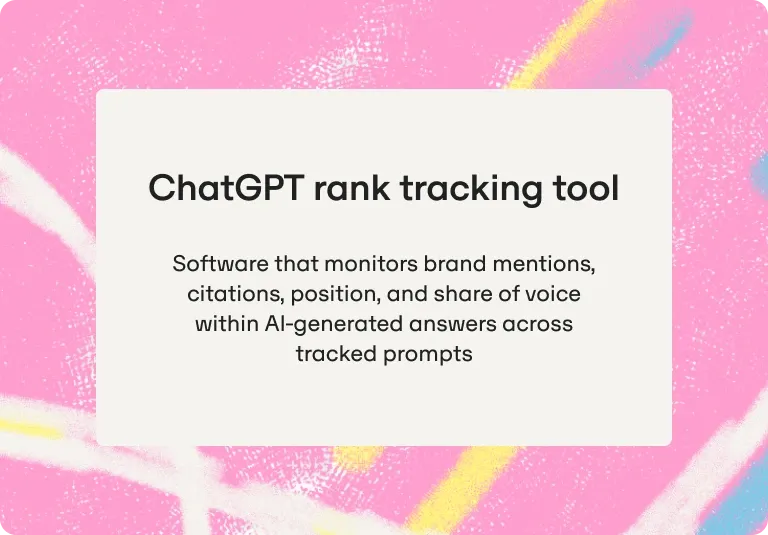
A ChatGPT rank tracking tool monitors brand mentions, citation frequency, and position within AI-generated answers, measuring share of voice against competitors across purchase-intent prompts. These platforms reveal whether ChatGPT recommends your product when buyers ask questions that shape decisions.
Manual prompt testing breaks past 10 prompts, leaving teams unaware of hundreds of conversations where competitors capture daily visibility. Purpose-built tools automate tracking across thousands of prompts, surface URL-level citation gaps, and connect AI visibility to pipeline.
The market uses “ChatGPT tracker,” “ChatGPT rank tracker tool,” and “ChatGPT SEO rank tracking” interchangeably, but these searches typically point to three distinct measurement needs.
Brand and competitor mention tracking captures whether your company appears in ChatGPT's answers at all, regardless of context or position. Citation and source tracking identifies which specific pages, articles, or domains ChatGPT references when answering queries in your category. Prompt-level recommendation position measures where your brand shows in ordered lists, treating ChatGPT responses more like traditional SERP rankings.
Most platforms combine all three metrics, but understanding what you're actually measuring matters when evaluating tool capabilities and interpreting results.
While traditional SEO tools provide deterministic tracking, ChatGPT visibility is probabilistic. The same prompt can produce different brand orderings, citations, or omissions across runs due to model temperature and stochastic generation.
This variability multiplies across model versions. The same prompt can recommend you in one model family/version and omit you in another. Region, language variants, and prompt phrasing shift visibility constantly. The framework itself changes entirely. You're not “ranking pages” — you're trying to be recommended or get cited. These outcomes are driven by content structure, schema, and how well you answer questions LLMs predict.
Proper tools solve this through systematic sampling. They run prompts 3-10 times per day, track position distributions (not single snapshots), maintain historical trends, and aggregate across hundreds of related prompts. What looks unreliable at single-prompt level becomes strategic intelligence at scale. But, only with tools built for sampling and history.
Credible ChatGPT visibility tracking platforms automate prompt execution with multiple runs to manage response variability, detect brand mentions and citation URLs, and alert teams when visibility shifts. The best tools store complete response evidence, maintain historical trends, and provide exportable reports. This reveals which prompts matter, who wins them, what content gets cited, and how your visibility trends against competitors.
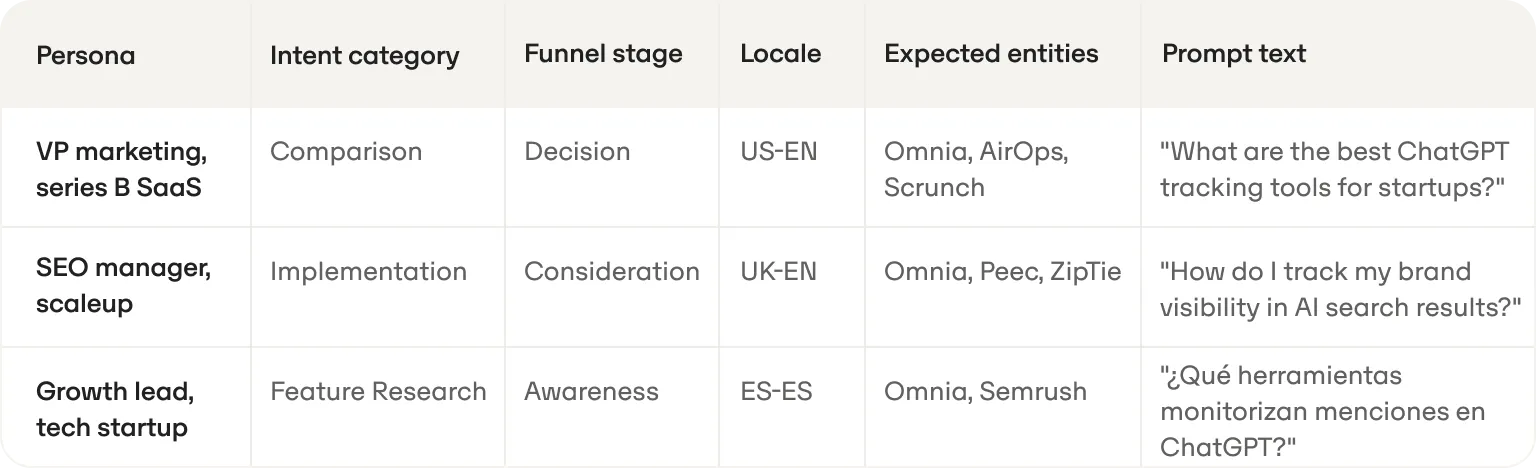
A prompt library is your structured collection of questions that real buyers ask when evaluating solutions in your category — the queries where ChatGPT visibility directly impacts pipeline. Build yours using a template with clear fields: persona, intent category, funnel stage, locale/country, expected entities, and prompt text itself. This structure helps you maintain, expand, and prioritize prompts systematically rather than guessing which questions matter.
Reliable tools implement practical controls to reduce noise from ChatGPT's probabilistic outputs. These controls include:
It’s important to note that some variance remains unavoidable due to ChatGPT's inherent randomness. The goal isn't eliminating uncertainty but establishing directional trends with enough evidence that visibility changes represent real shifts rather than statistical noise.
Tools recognize your brand across variations — official name, product names, common abbreviations, and misspellings — while avoiding false positives from similarly named entities through fuzzy matching algorithms and entity disambiguation rules.
Define clear brand entity rules in your tracking platform. Specify your official name, known aliases, competitor brands to monitor, and exclusion patterns for unrelated entities to improve detection accuracy and reduce manual cleanup.
Citation extraction reveals which specific domains, URLs, and content pieces ChatGPT references when generating answers. It's the fastest path from insight to action. Unlike vague visibility scores, knowing that ChatGPT cites competitor X's comparison guide or industry publication Y's directory lets you either improve your existing cited pages to strengthen positioning, publish content on high-authority domains where AI citations originate, or reverse-engineer why competitors earn citations you don't.
This directly answers the buyer intent question, “Why are competitors being recommended instead of us?” because ChatGPT found authoritative, structured content from those brands that better matched the prompt's implicit questions.
The same prompt produces different AI-generated responses by country and language due to localized training data, regional content availability, and language-specific answer patterns. Three common scenarios demand localized tracking:
Without geographic segmentation, you're flying blind in every market except your primary locale.
Effective platforms provide immediate drop alerts when your brand disappears from critical prompts, trend lines showing visibility changes over weeks and months, and stakeholder-specific reporting formats. This includes technical dashboards with citation URLs for SEO leads, executive summaries with share of voice trends for CMOs.
Practical exports (CSV, PDF, API access) feed reports into quarterly business reviews, content planning sessions, and competitive analysis decks. This transforms raw tracking data into strategic inputs that align teams around improving AI presence as a measurable channel.
What you can trust vs what is directional
Use this rule to decide what to act on: Optimize for citations, and treat “rank” as a trend signal.
High-confidence data: Citation URLs, domain mentions, and stored response evidence are factual — ChatGPT either cited a URL or it didn't.
Directional data: “Position” or “rank” metrics vary across runs due to probabilistic generation, making them useful for trend analysis only when sampled 5-10+ times per prompt over weeks.
Trust citations for execution decisions. Use position for spotting broad visibility gaps.
Growth and SEO teams need metrics that drive actionable decisions—not vanity dashboards that look impressive in screenshots but offer zero guidance on what to do next. The metrics that matter connect directly to content strategies, competitive positioning, and pipeline impact.
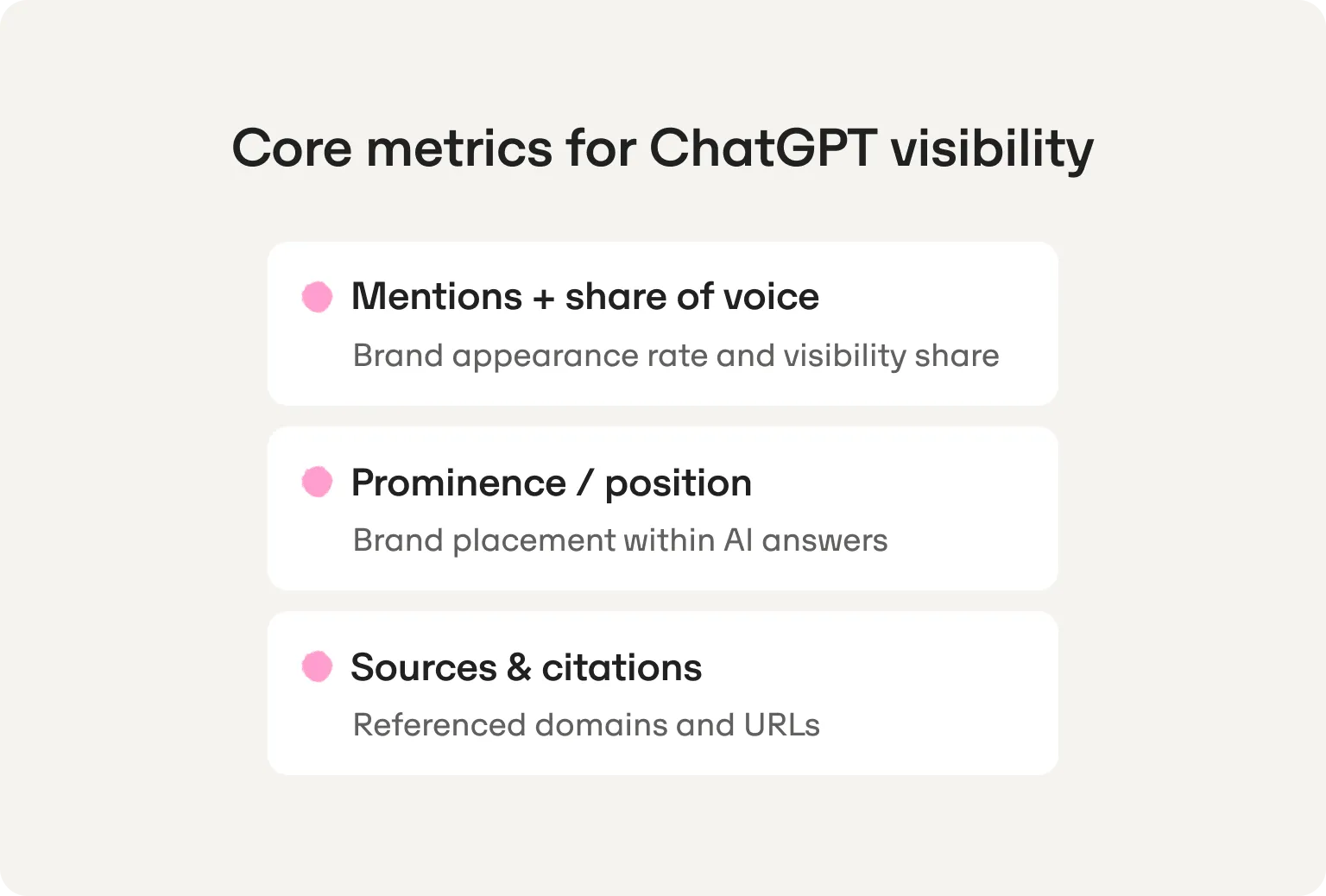
Mention rate measures how frequently your brand presence appears across tracked prompts (for example, if you’re mentioned in 40 of 100 monitored queries). Share of voice captures your slice of total AI mentions when competitors appear in the same answers — the percentage of the conversation you own versus them.
What you do with it next: Set quarterly KPI targets tied to strategic prompts (like increase share of voice from 15% to 30% in “best ChatGPT tracking tools” comparison queries) and identify the highest-value prompt clusters where you're absent.
Tools approximate “rank” by tracking first mentions, recommended list ordering, and top placements within AI-generated search results. This is visibility distribution across multiple samples showing how often you appear first, second, third, or buried deeper.
What you do with it next: Filter for prompts where you consistently rank third or lower despite appearing frequently. Reverse-engineer why competitors earn top placement and optimize your cited pages or publish new authoritative content to shift position distribution upward.
Domain-level citation tracking reveals which authoritative sites AI systems reference overall, while URL-level analysis pinpoints the exact pages referenced. These domain trends inform partnership and guest posting strategy, while URL-level data drives immediate content optimization.
What you do with it next: This is the bridge from AI search monitoring tools to content execution. If ChatGPT cites competitor comparison guides but never yours, create or optimize a competing guide. Likewise, if it references third-party review sites heavily, prioritize getting your brand featured and linked on those domains.
Use this table to shortlist 2–3 tools. Then, read the detailed reviews below:
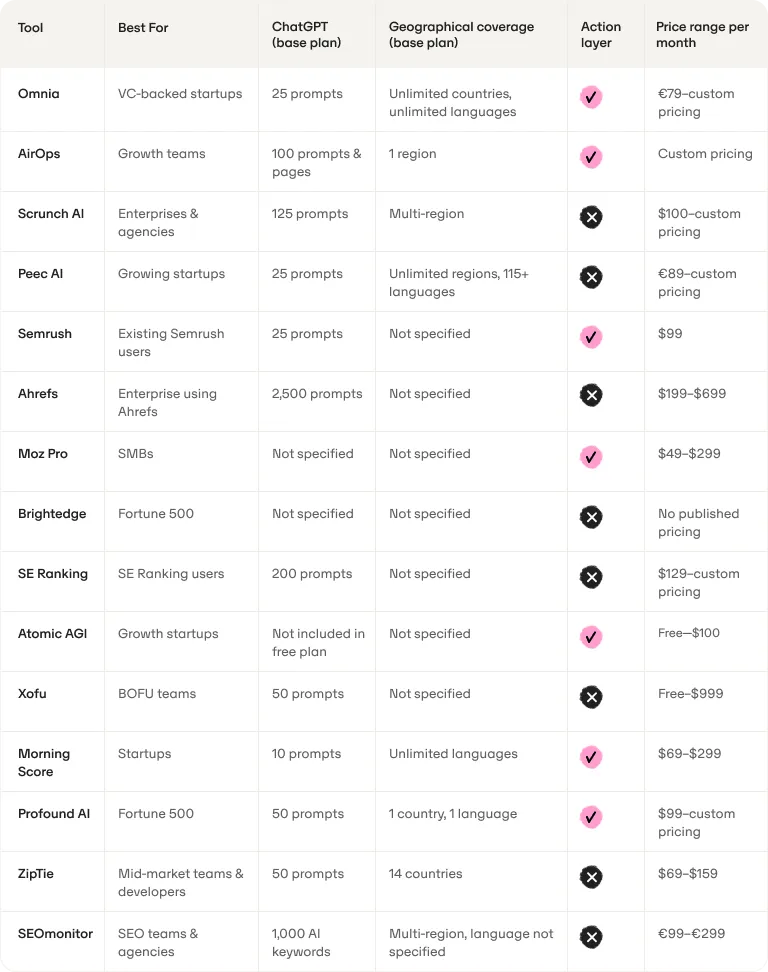
If you’re searching for the best rank tracking tool for ChatGPT, look no further. Our list ranks the top 19 tools for SEO and growth teams, highlighting their strengths and weaknesses.
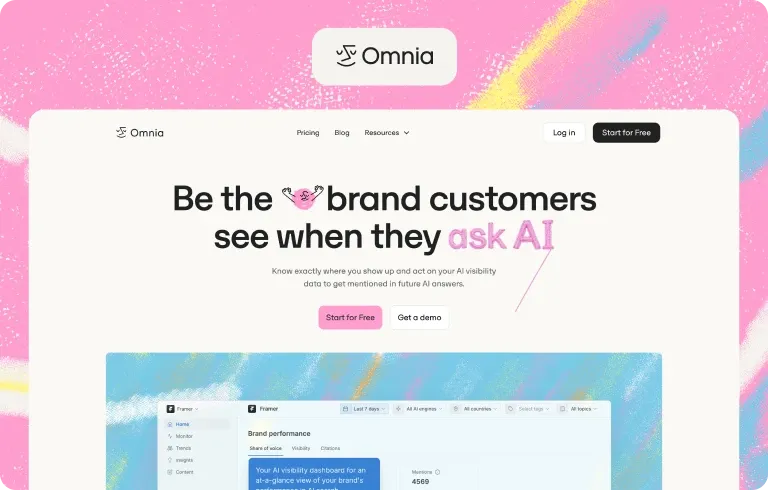
Omnia transforms ChatGPT visibility monitoring from passive dashboards into AI-powered content execution
Best for
Startups and scaleups that publish regularly and want a weekly system to improve how often they’re mentioned and cited in ChatGPT — without building manual prompt spreadsheets.
What it does well
Omnia monitors ChatGPT across unlimited countries and languages, tracking brand mentions, competitor share of voice, and exact citation URLs daily. The platform excels at showing not just where competitors outrank you, but the specific citations, content structures, and patterns they dominate.
Unlike competitors that rely solely on APIs, Omnia simulates real user behavior. For ChatGPT, it opens actual browsers, types queries, clicks send, and extracts citations from live responses. Because Omnia opens browsers in real locations, it captures what users actually see in any country and language — not the sanitized, often inaccurate results that APIs show. This methodology ensures data reflects actual user experiences across markets.
What separates Omnia from passive monitoring tools is its action layer. Instead of staring at dashboards while debating what to do next, you get specific content briefs, distribution strategies, and publication recommendations based on which domains AI engines actually cite and what’s currently trending.
The platform's trend discovery reveals the most-searched AI queries in your category , helping prioritize content that captures high-intent moments. Real-time alerts catch visibility drops immediately, while competitor benchmarking provides the strategic context founders need for investor updates.
Key features
Watch-outs
Focused on startups and scaleups with active content programs, Omnia isn’t ideal for enterprises with complex approval workflows or companies without regular publishing cadence.
Good fit if
Not a fit if

AIclicks is an AI search visibility platform that tracks brand mentions in ChatGPT and 10+ other AI engines, with done-for-you optimization to grow your share of voice.
Best for
Brands and agencies that want to monitor and improve visibility across ChatGPT — particularly teams that need competitor benchmarking and content optimization in one place.
What it does well
AIclicks covers visibility tracking from multiple angles: it monitors how often your brand appears in AI answers, maps the exact prompts buyers ask, and identifies which third-party sources AI engines cite. AI agents then produce optimized content based on those gaps.
Key features
Watch-outs
AIclicks focuses on AEO tracking and optimization rather than broader content operations. Teams looking for native CMS publishing workflows or deep editorial tooling will need to pair it with existing content tools.
Pricing
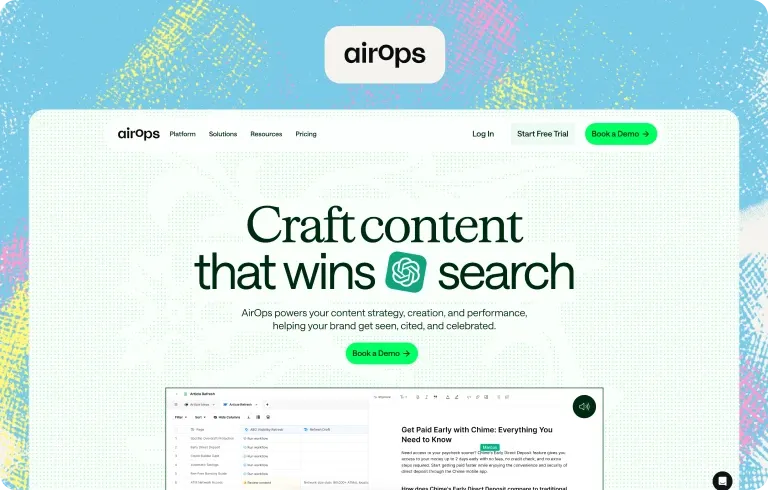
AirOps is a complete AI search visibility platform that tracks brand mentions in ChatGPT while automating content operations.
Best for
Growth teams and content marketers who need workflow automation at scale alongside ChatGPT visibility tracking — particularly those managing both owned content and third-party placements.
What it does well
AirOps covers the full spectrum of ChatGPT visibility by tracking both what you publish and what others say about you. Its workflow automation allows teams to create, refresh, and publish content through direct CMS integrations while monitoring ChatGPT performance.
Key features
Watch-outs
AirOps has a steep learning curve requiring significant onboarding investment. It also removed its free tier, and with a starting price of $200/mo, it’s a big investment for smaller companies.
Pricing
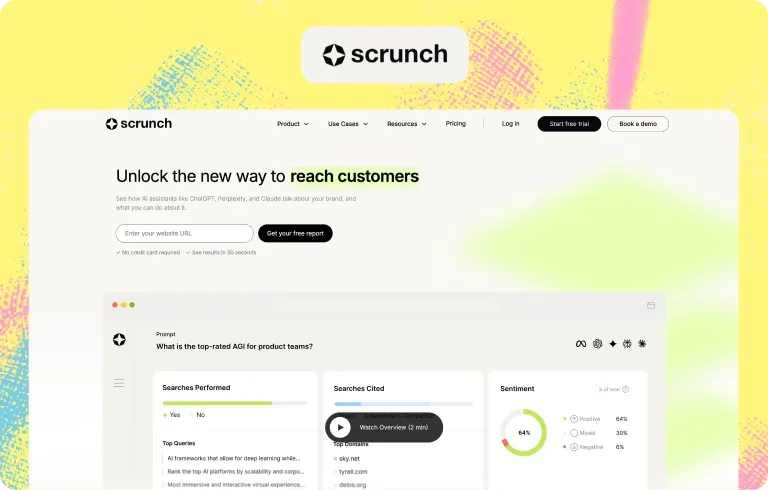
Scrunch AI is a multi-platform tracking tool with enterprise-grade security, offering detailed ChatGPT rankings tracking.
Best for
Enterprises and agencies needing multi-region ChatGPT tracking and detailed competitive analysis across multiple brands.
What it does well
Scrunch AI’s multi-dimensional competitor analysis breaks down performance by persona, topic, and geography, making it especially valuable for agencies managing multiple client brands through the Agency Partner Program.
Key features
Watch-outs
Prompt counting can be a bit confusing as tracking one prompt across multiple engines consumes multiple prompt credits.
Pricing
Orchly AI is an autonomous SEO and AEO platform that helps brands improve visibility across both traditional search and AI search engines, including ChatGPT, Gemini, Claude, Perplexity, Grok, Google AI Overviews, and AI Mode.
Best for
Marketing teams, agencies, and SaaS companies that want autonomous SEO and AEO agents to grow visibility across Google Search and AI search engines.
What it does well
Unlike most AI visibility tools that stop at reporting rankings and mentions, Orchly focuses on execution. When it finds prompts, topics, or pages where your brand is underrepresented, its agents can create new content, refresh existing articles, improve internal linking, translate content, and publish updates directly to your CMS. Teams can review recommendations before publishing or automate routine optimization workflows.
Key features
Watch-outs
Orchly is designed for teams actively investing in content, SEO, and AI search visibility. Organizations looking only for basic AI mention monitoring may not need the platform's execution and automation capabilities.
Pricing
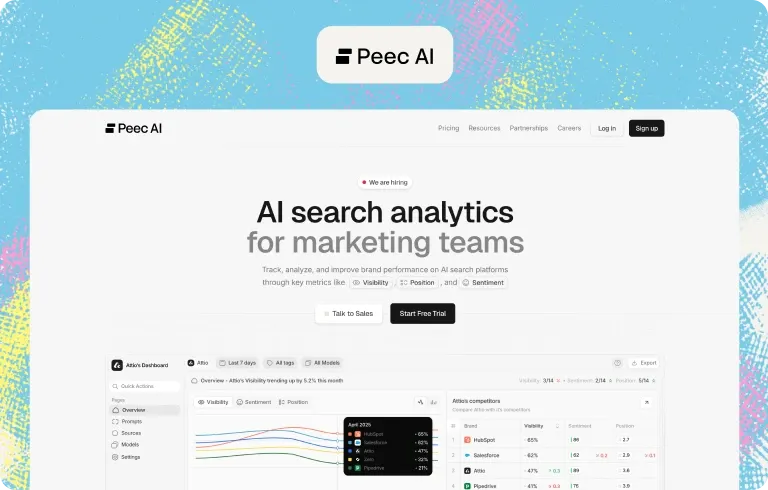
Peec AI is a budget-friendly AI brand visibility platform with clean design and fast setup.
Best for
Growing startups and mid-market teams who value transparent pricing, unlimited seats, and monitoring without complex enterprise features.
What it does well
Peec AI delivers strong price-to-value with unlimited seats across all plans. The platform provides daily ChatGPT tracking with visibility, position, and sentiment metrics.
Key features
Watch-outs
Peec AI doesn’t have any end-to-end attribution showing how ChatGPT mentions convert to actual traffic or leads.
Pricing
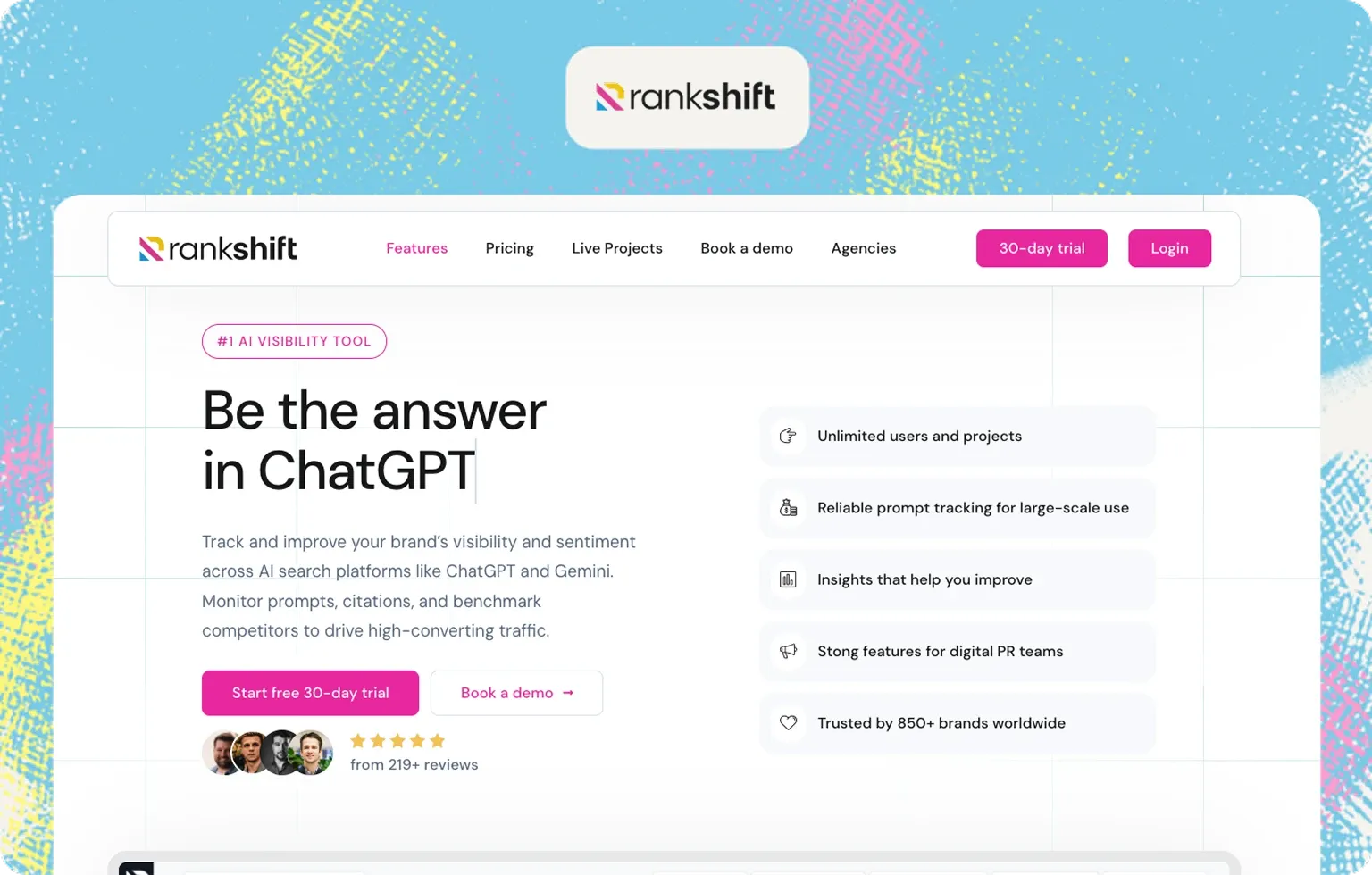
Rankshift AI is an AI visibility tracking platform that monitors brand mentions, citations, and competitor presence across ChatGPT, Gemini, AI Overviews, AI Mode, Copilot, Perplexity, Claude, Meta AI, and Mistral. Instead of traditional keyword rankings, Rankshift uses prompt-based tracking to analyze AI responses and detect brand presence.
Best for
Marketing teams and agencies that want a flexible, data-focused platform to track AI visibility across multiple models. It works best for teams that already have optimization workflows in place and need reliable monitoring, benchmarking, and reporting rather than guided execution.
What it does well
Rankshift AI delivers prompt-based brand monitoring across 9+ AI platforms with share of voice tracking, sentiment analysis, and historical data. Its crawler analytics are a standout feature, showing exactly when AI bots visit your site and which pages are used in AI-generated answers. The built-in AI content writer analyzes LLM responses and your citations to draft optimized content designed to perform in answer engines.
Key features
Watch-outs
Credit-based pricing model can be harder to predict for teams with large-scale or high-frequency tracking needs. The platform is newer compared with some established SEO tools, so enterprise feature maturity is still developing.
Pricing
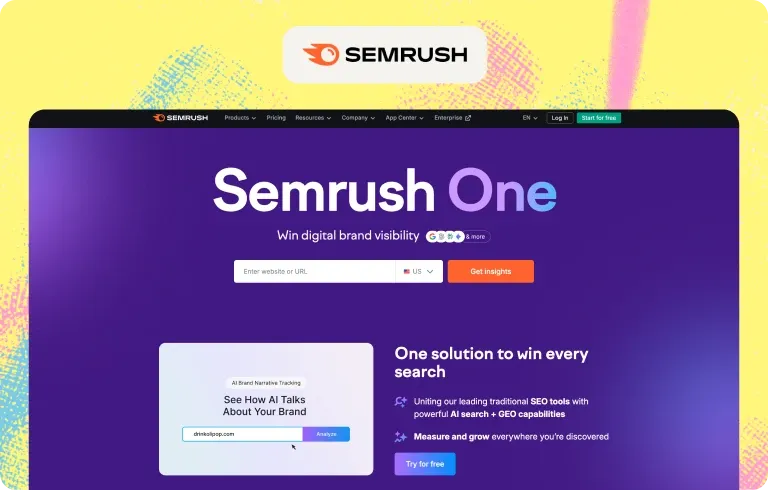
Semrush AI Visibility Toolkit is an all-in-one SEO and AI visibility tool for existing Semrush users, tracking ChatGPT and five other platforms.
Best for
Existing Semrush users wanting integrated AI visibility and a comprehensive solution that combines traditional SEO with ChatGPT rank tracking.
What it does well
Semrush provides daily updates on visibility scores, share-of-voice, and sentiment. Create and optimize new AI-friendly content with the Content Toolkit.
Key features
Watch-outs
The $99/month toolkit requires an active Semrush subscription (minimum $199/month), bringing total cost to ~$298/month.
Pricing
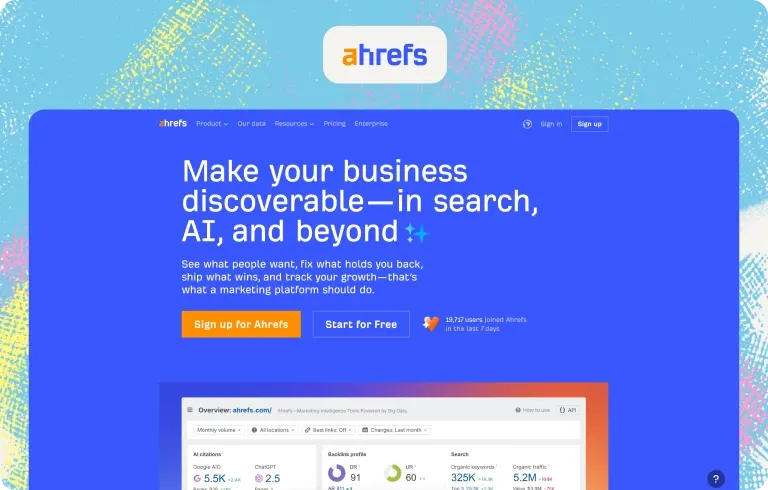
Ahrefs Brand Radar is an AI visibility tool that uses real user queries to track visibility across ChatGPT and five other AI platforms.
Best for
Enterprise brands and large agencies already invested in Ahrefs wanting integrated ChatGPT visibility.
What it does well
Ahrefs Brand Radar has the largest AI visibility database. Its monthly prompts are derived from real searches rather than synthetic queries.
Key features
Watch-outs
High pricing and lack of agency-friendly features like white-labeling or multi-client switching make it unsuitable for all teams.
Pricing
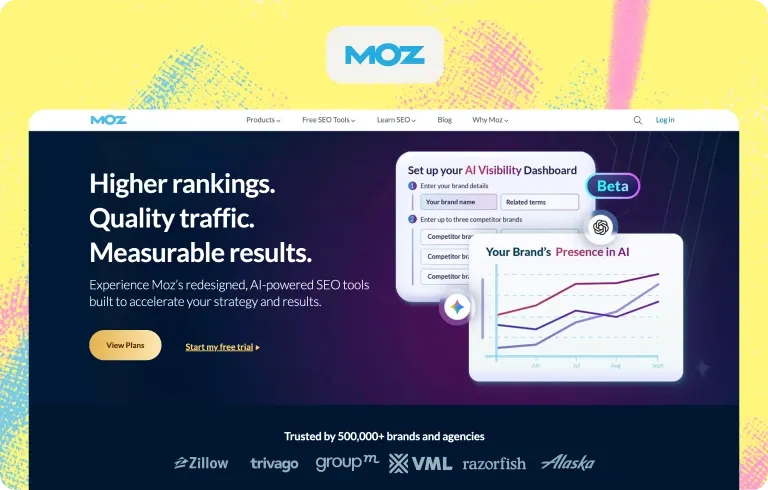
Moz Pro is an all-in-one SEO toolkit that tracks keyword rankings and adds AI visibility monitoring for ChatGPT.
Best for
Small to medium-sized businesses and SEO teams seeking a trusted platform that combines traditional rank tracking with emerging ChatGPT monitoring.
What it does well
Moz Pro integrates ChatGPT brand visibility tracking into its SEO workflow. It allows teams to monitor mentions and citations in AI-generated answers alongside traditional metrics.
Key features
Watch-outs
Moz's AI visibility features are still developing compared to specialized AEO platforms.
Pricing
BrightEdge is an enterprise-grade SEO and content performance platform with ChatGPT rank tracking alongside traditional search metrics.
Best for
Fortune 500 companies and large enterprises with multi-site, multi-market SEO operations requiring dedicated analysts and comprehensive governance.
What it does well
BrightEdge AI Catalyst delivers share of voice analysis integrated with traditional SERP data.
Key features
Watch-outs
BrightEdge requires dedicated SEO analysts and significant platform training to extract full value.
Pricing
No published pricing
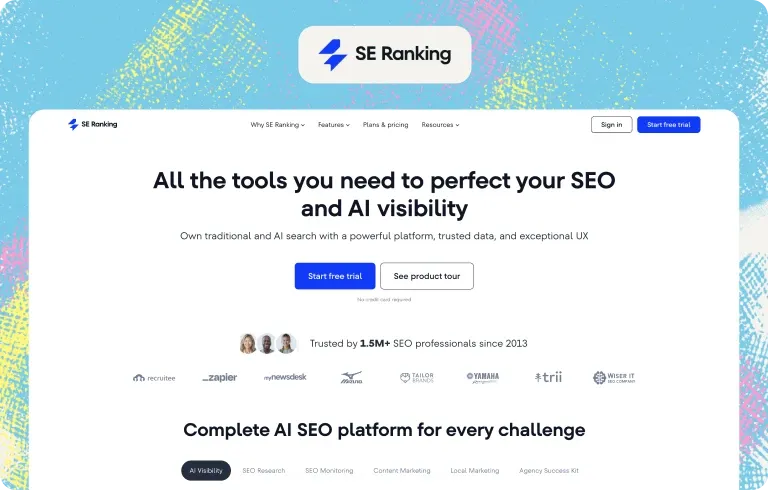
SE Ranking is an integrated ChatGPT rank tracking tool bundled with a comprehensive SEO platform, offering budget-friendly visibility monitoring.
Best for
SE Ranking users who want seamless AI visibility integration.
What it does well
A clean and intuitive dashboards with clear data visualization make insights accessible. AI visibility tracking feels natural for existing users and saves money compared to standalone tools.
Key features
Watch-outs
The pricing structure involves required add-ons (AI Search is $89/mo) making total cost difficult to calculate upfront.
Pricing
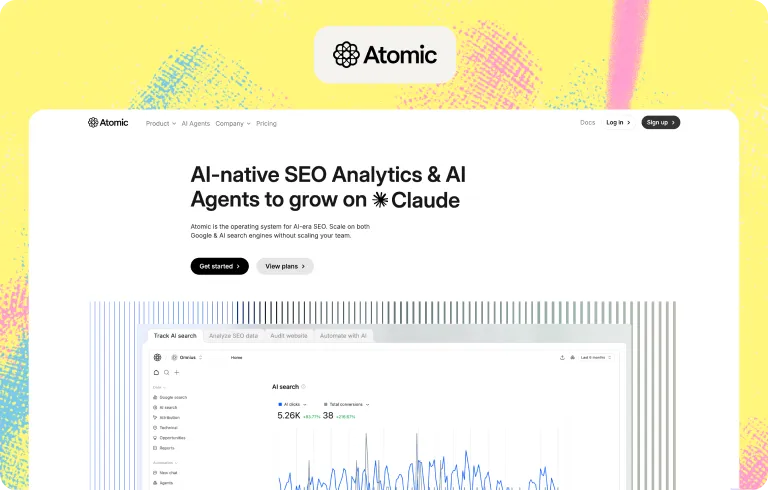
Atomic AGI is an AI-search analytics platform combining traditional SEO reporting with ChatGPT brand mentions tracking across multiple generative engines.
Best for
Growth-focused startups and marketing teams seeking budget-friendly unified analytics across both Google and AI search engines.
What it does well
Atomic AGI monitors ChatGPT with prompt-level visibility dashboards, citation-share analysis, competitor benchmarking, and AI agents.
Key features
Watch-outs
Atomic AGI has a limit of 50 daily AI prompts on its most expensive plan, as well as a cap of 20 team members, making it unsuitable for scaling teams needing more extensive prompt monitoring.
Pricing
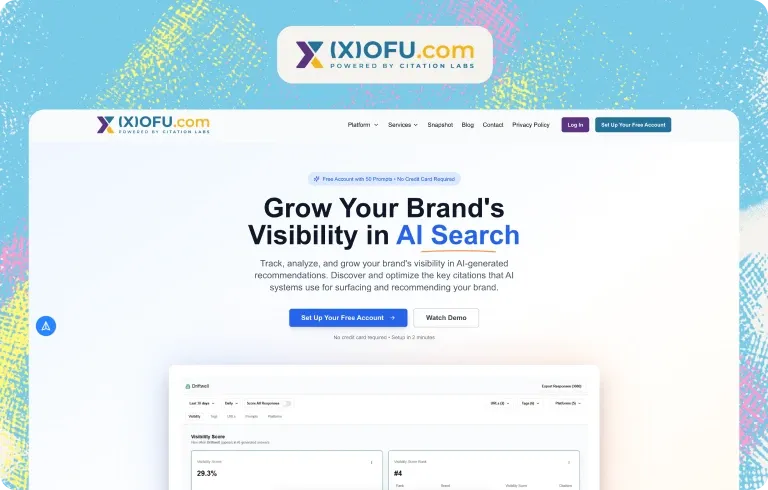
Xofu is a specialized ChatGPT visibility platform built for high-intent, bottom-of-funnel prompts with advanced AI-native optimization.
Best for
Conversion-focused marketers optimizing ChatGPT brand visibility for purchase-stage recommendations and transactional queries.
What it does well
Xofu focuses exclusively on BOFU (bottom-of-funnel) prompt tracking that drives revenue rather than vanity metrics.
Key features
Watch-outs
Not suitable for beginners or top-of-funnel awareness campaigns.
Pricing
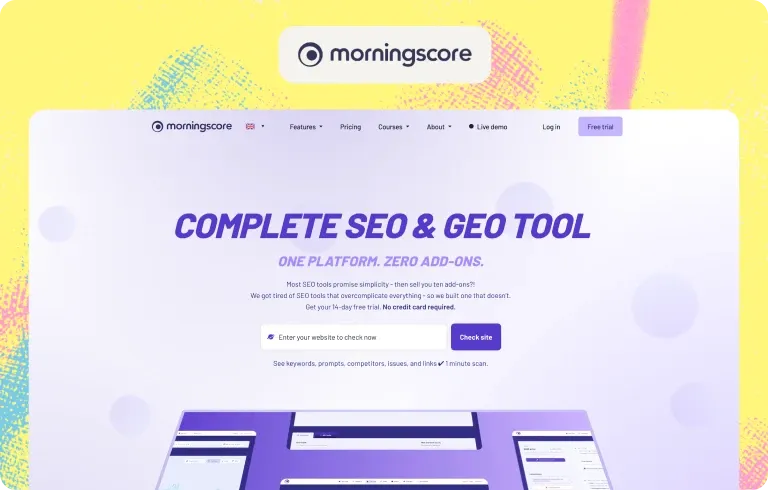
MorningScore is a ChatGPT rank tracking tool with a gamified interface that monitors brand mentions in AI-generated answers.
Best for
Startups, non-technical teams, and small businesses seeking beginner-friendly AI visibility tracking integrated with a full SEO suite.
What it does well
The gamified approach with XP points and level-ups makes SEO and AI tracking accessible for non-experts
Key features
Watch-outs
Morningscore only offers weekly tracking — no daily updates.
Pricing
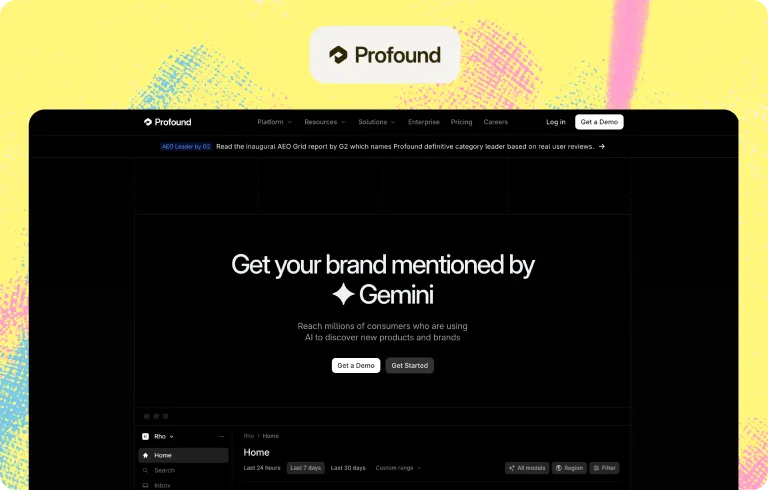
Profound AI is an enterprise-grade ChatGPT SEO tracking platform with automated content workflows.
Best for
Fortune 500 companies and large agencies requiring enterprise-grade compliance features and content generation capabilities.
What it does well
Profound AI tracks ChatGPT with global prompt intelligence, visibility scores, and citation-pattern analysis.
Key features
Watch-outs
Complex interface can overwhelm smaller teams.
Pricing
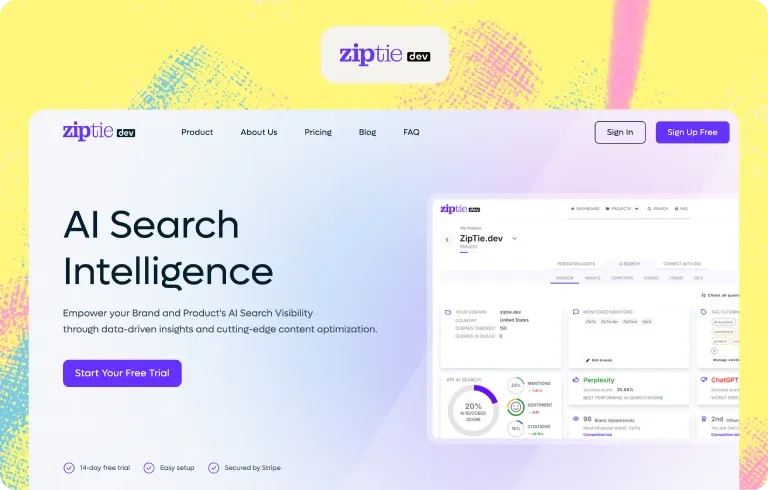
ZipTie is a purpose-built AI visibility platform providing built-in content optimization recommendations.
Best for
Developers and mid-market companies seeking actionable optimization guidance alongside visibility tracking without enterprise complexity.
What it does well
ZipTie combines real-time monitoring with a built-in content optimization module, delivering specific recommendations to improve AI search performance.
Key features
Watch-outs
All plans only support one seat, which isn’t realistic for larger teams.
Pricing
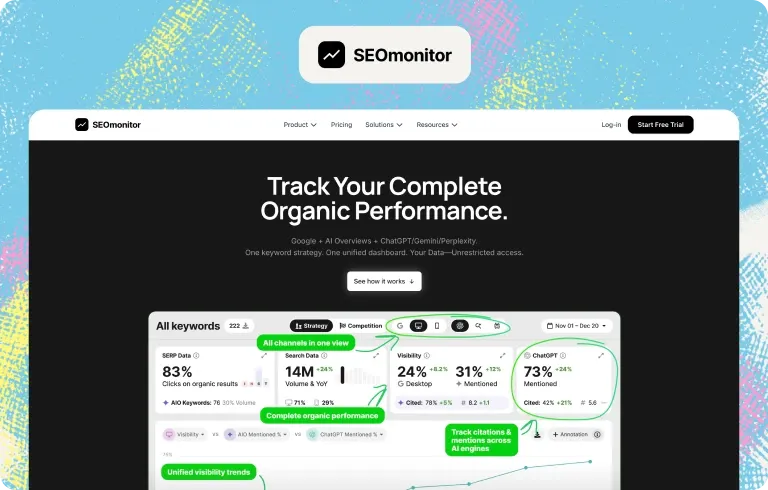
SEOmonitor is an advanced SEO and AI visibility platform offering ChatGPT rank tracking alongside forecasting and historical analysis.
Best for
Data-driven SEO teams and agencies requiring integrated forecasting, historical performance tracking, and API access for client reporting.
What it does well
SEOmonitor's dual-signal approach connects traditional SEO metrics with AI-generated answer visibility through daily snapshots of ChatGPT and AI Overviews for tracked keywords.
Key features
Watch-outs
ChatGPT tracking is only available in the Pro plan, and prices fluctuate based on chosen AI search keywords.
Pricing
GetMint turns AI search visibility into content execution across every major answer engine, not just ChatGPT.
Best for
B2B brands and agencies that want one platform to measure AI search visibility across all major engines and act on it, closing the gap between “we lost visibility” and “here is the content that fixes it.”
What it does well
GetMint monitors brand presence across the full set of answer engines. Where most tools stop at multi-engine dashboards, GetMint is built to tell you which sources you need to win, not just where you stand.
Key features
Watch-outs
GetMint is positioned as a strategic B2B platform rather than a free diagnostic, so ongoing monitoring and optimization require a subscription.
Pricing
Did you skim through the list and immediately open a browser tab searching for the best free ChatGPT rank tracker, ChatGPT rank tracking free, or free ChatGPT rank tracking software? The truth is that truly free ChatGPT visibility tracking doesn't exist at scale.
“Free” options are usually free trials (7-14 days), freemium tiers with 5-20 prompt limits, or manual workflows that cost you 2-4 hours weekly. You won't get geographic variance testing, competitor benchmarking, or AI citations analysis. You can accumulate a lot of data from these tools, but the moment you try to optimize based on that data, you'll hit a wall.
And, if you must go free…
Here’s a simple 90-minute protocol:
If you follow this, you’ll quickly realize it breaks at scale.
Manual testing maxes out at 10 prompts. Beyond that, you need competitor benchmarking, citation analysis, and automated alerts. When manual tracking exceeds two hours weekly, you're spending $200–400/mo in labor to get worse data than a $20–100/month tool.
Pretty dashboards don't predict revenue. Before buying, verify the platform delivers data integrity and workflow integration.
Here’s a quick scoring rubric:
Scoring: 80+ points = Buy. 60-79 = Trial first. <60 = Pass.
Don't blindly trust vendor claims. Ask these questions to verify the platform delivers reliable, actionable data:
Here are some specific questions you should ask about alerts, exports, API, and dashboards:
Use this lightweight weekly process to turn tracking into shipped fixes that move share of voice.
| Day | Activity | Time | What to do |
|---|---|---|---|
| Monday | Monitor | 30 min | Review dashboard for drops >10%. Screenshot evidence. Flag in Slack. |
| Tuesday | Diagnose | 45 min | Analyze which competitor gained and which citations shifted? Export gap analysis. Prioritize fixes. |
| Wednesday | Ship | 2–3 hrs | Update content, email 3–5 domains for placements, fix schema/crawl issues. |
| Friday | Review | 20 min | Check if fixes moved the needle. Document results. Adjust priorities. |
When ChatGPT stops mentioning your brand or drops your citations, hours matter. Use this same-day playbook to diagnose root cause and ship fixes before the drop compounds:
The best platforms refresh daily. Re-check 48-72 hours post-fix.
If you're a startup or scaleup SEO lead comparing ChatGPT tracking tools, you've already hit the wall with manual testing. Copy-pasting prompts into spreadsheets doesn't scale past 10 queries, and you can't diagnose why visibility dropped when you're flying blind on citations.
Most monitoring platforms stop at dashboards — pretty charts showing where you rank and which competitors appear. But dashboards don't ship fixes. Omnia exists to solve the execution gap.
While competitors show you what's happening, Omnia shows you what to do about it. The platform identifies which content gaps are costing you visibility, which domains AI engines prefer for citations in your category, and which topics real buyers are asking about. Omnia turns those insights into executable briefs and distribution strategies
For growth teams managing multi-country launches, Omnia tracks unlimited countries and languages with daily refresh rates. For SEO managers drowning in tool sprawl, Omnia delivers the citation layer behind every AI answer — showing which domains influence recommendations and which gaps to close first. And for founders who need fast decision-making, Omnia's action layer ships insights that trigger execution, not more analysis paralysis.
Stop treating AI visibility like SEO when it’s driven by citations, not backlinks. Omnia turns those citations into a scalable acquisition channel your lean team can execute in weeks, not months.
Start now and book a demo with Omnia. Or start ChatGPT rank tracking today with a free 14-day trial on the Growth plan.
Omnia offers a 14-day free trial on the Growth plan.
No credit card required. See exactly where your brand shows up (or doesn't) across AI engines, then let the platform's recommendations guide your next move.

While several platforms offer free trials (7-14 days) or freemium tiers, truly free visibility tracking tools are limited to just a few prompts and lack critical features like multi-country tracking, competitor benchmarking, and AI citations analysis. Manual tracking beyond 10 prompts costs 2-4 hours weekly, making $69-99/month purpose-built tools more efficient with 90% less effort.
ChatGPT rankings are probabilistic—the same prompt generates different responses across runs due to AI models' stochastic nature. Reliable tools solve this through systematic sampling and report directional metrics like 'you appeared first in 40% of samples, second in 30%, third in 20%' rather than claiming a static '#2 ranking,' transforming inherent variability into strategic intelligence showing how visibility gaps trend against competitors.
Multi-engine monitoring requires platforms that integrate APIs from ChatGPT, Perplexity, Claude, Google AI Overviews, Gemini, and other AI search engines — tools like Omnia, Profound AI, and Ahrefs Brand Radar track 4 engines simultaneously, showing how your brand presence and topical authority vary across platforms. This matters because engines have different training data and regional coverage (you might dominate ChatGPT US but be absent from Perplexity Europe), helping prioritize content optimizations that improve visibility across the entire AI search experiences ecosystem rather than over-optimizing for a single platform.
ChatGPT doesn't have traditional search results — it produces AI-generated responses by synthesizing sources it determines authoritative, so improving AI citations requires: (1) structuring content with clear H2/H3 headings answering buyer questions, (2) publishing on high-authority domains where AI systems reference content, (3) using schema markup (Article, Product, FAQ), (4) ensuring GPTBot can crawl your pages, and (5) building topical authority through comprehensive category coverage. Track changes via monitoring tools showing exact cited URLs to reverse-engineer which pages drive visibility and replicate those patterns.
Written By
 AndreiHead of GrowthatOmniaAndreiHead of GrowthatOmnia
 Jose Luis García del RíoGrowthatOmnia
 AndreiHead of GrowthatOmnia
 AndreiHead of GrowthatOmnia
 Jose Luis García del RíoGrowthatOmnia
No credit card required · Free for 14 days · See your AI visibility within 3 minutes