Omnia vs Writesonic
At $249/mo, Writesonic is a content generation platform that also gives you AI visibility features - 8 engines, competitor benchmarking, brand sentiment. But bolt-on visibility and purpose-built visibility are not the same thing. If you're publishing content and need to know whether it's being cited, why competitors are winning the slots you should own, and exactly what to ship next, Omnia will give you that distinction that matters.
Trusted by teams building AI visibility across Europe






Both track AI visibility. The difference is how often, how deep, and what you get when the data comes back.

(Claude, Gemini, & CoPilot available as add-ons.)

Seven engines tracked daily, in every country your buyers are searching from
Omnia covers extensively four engines where buying decisions are made. Real browser sessions. Actual geographic locations. Citation data down to the URL. And an action layer that converts every gap into something your team can ship.
Your competitor is being cited instead of you. Omnia shows you the exact URL that's winning the slot — and what to publish to take it back.
Tracking tools show you a score. Omnia shows you the source. Every citation tracked to URL level, classified by page type, owned, third-party, or social. Then it reverse-engineers the pattern into a content brief, a placement target, and a task list your team can execute this week.
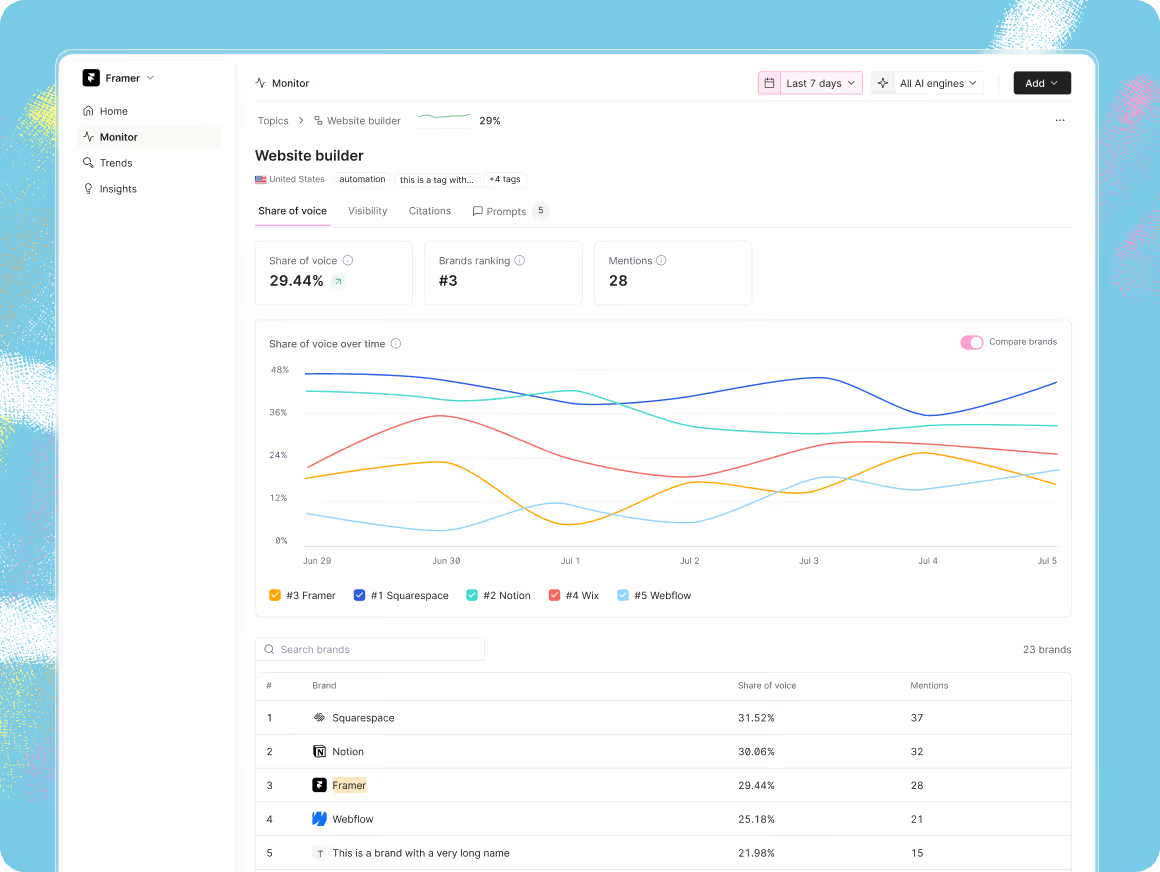

Daily monitoring with real-time alerts
Citations shift when new content is indexed, when competitors publish, and when models update. Omnia captures those changes that same day.

Execution roadmap, not a dashboard
Content briefs, outreach targets, and week-by-week task lists built from citation data so your team can plan and execute quickly.

Citation intelligence to URL level
Every source AI engines reference is tracked to the exact URL — yours, a competitor's, or a third-party domain you should be targeting for placements.
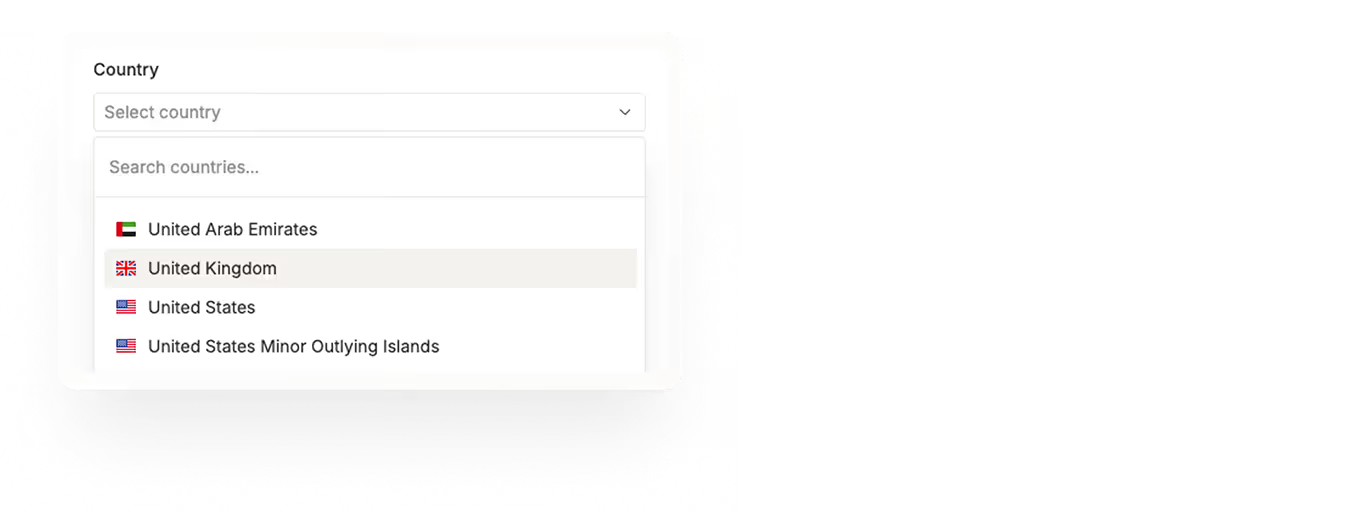
Real browser execution by country
Every query runs through a real browser session in an actual geographic location. The same prompt from New York and Madrid returns different recommendations. With Omnia, you can capture both.
These tools are not direct substitutes. Writesonic generates content. Omnia tracks whether that content is working in AI search and tells you what to do when it isn't. The question is whether you need one, the other, or both.
Choose Omnia if:

Read their stories
Choose {brand-name} if:



€79/mo for purpose-built visibility. $249/mo to access it as a feature.
Writesonic's AI visibility features - 8 engines, competitor benchmarking, brand sentiment - are locked behind the Professional plan at $249/mo. Below that you're paying for a content generation tool with no visibility layer. Omnia starts at €79/mo with all four major engines tracked, real browser execution by country, feature-level sentiment analysis, transparent insight reasoning, prompt suggestions, and a full execution roadmap included from day one. If you're currently on Writesonic's Professional plan primarily for the AI visibility features, the math is straightforward - and the depth is not comparable.



10x your AI visibility without being a GEO expert
Frequently Asked Questions
Because built-in and purpose-built are not the same thing. Writesonic added AI visibility because the market demanded it - the feature tracks 8 engines and gives you a brand-level sentiment score. Omnia was built exclusively to do this: real browser execution by country, citation intelligence to URL level, feature-level sentiment analysis benchmarked against competitors, prompt suggestions grounded in citation patterns, and a transparent reasoning chain behind every recommended action. If AI visibility is a core part of how your team operates, the depth difference is significant.
Yes - and for many teams, that's the right answer. Writesonic produces content. Omnia tells you whether that content is being cited in AI answers, which competitor is winning the slots you should own, and exactly what to write next. The two tools sit at different points in the same workflow. Writesonic ends at publishing. Omnia starts there.
Not if the methodology behind it isn't specified. Omnia covers the four engines where B2B buying decisions are made - ChatGPT, Perplexity, Google AI Overviews, and Google AI Mode - and covers them properly: real browser sessions in actual geographic locations, daily refresh cadence, citation data to URL level. Writesonic's visibility layer doesn't specify how geographic queries are executed or what the refresh cadence is per engine. Broader coverage with no specified methodology gives you more data points. Omnia gives you accurate data for the markets and engines that actually drive pipeline.
Writesonic tracks brand-level sentiment - a score reflecting whether AI views your brand positively or negatively overall. Omnia tracks sentiment at the feature level - showing how AI evaluates each specific product attribute, benchmarking those attributes against competitors, and tracking how scores shift over time. If a competitor is being praised for ease of onboarding and your brand isn't getting credit for the same capability, Omnia surfaces that gap specifically and tells you what to do about it. Writesonic shows you the headline. Omnia shows you what's underneath it - and what to fix.
If AI visibility is the primary reason you're on the $249/mo plan, yes. Omnia's purpose-built stack - real browser execution by country, feature-level sentiment, transparent insight reasoning, prompt suggestions, and a full execution roadmap - starts at €79/mo. That's a meaningful price difference for a tool that does the visibility job at greater depth. If you're using Writesonic's content generation heavily alongside the visibility features, the calculus changes - both tools together may be the right answer.
Yes. Every Omnia plan includes unlimited countries and unlimited languages at no additional cost. Geographic tracking runs through real browser sessions in actual locations - not API-simulated locales - so the data reflects what buyers in each market actually see. Writesonic's visibility layer doesn't specify its geographic execution methodology, which means you can't verify whether the data reflects real local AI responses or simulated ones.