







Omnia vs Otterly AI
Otterly AI is where most teams start their AI visibility journey, and with good reason. Easy setup, affordable cost at $29/mo, and quick answers that every team is asking: does your brand show up? The ceiling appears when that first question leads to a harder one: why are competitors recommended instead of you, and what do you publish to change it?

Trusted by teams building AI visibility across Europe
Both track AI visibility. The difference is how often, how deep, and what you get when the data comes back.
(Claude, Gemini, & CoPilot available as add-ons.)
Four engines tracked daily, in every country your buyers are searching from
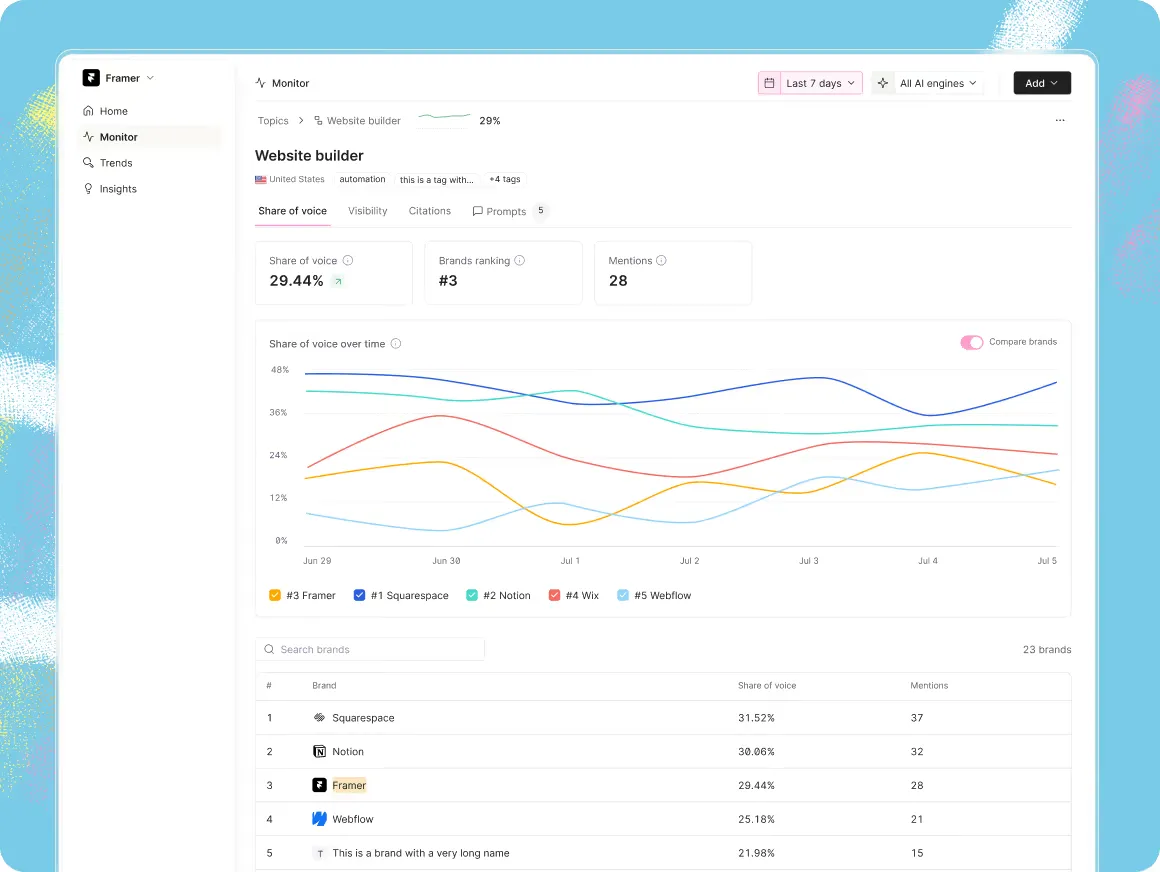
Omnia covers extensively four engines where buying decisions are made. Real browser sessions. Actual geographic locations. Citation data down to the URL. And an action layer that converts every gap into something your team can ship.
Your competitor is being cited instead of you. Omnia shows you the exact URL that's winning the slot — and what to publish to take it back.
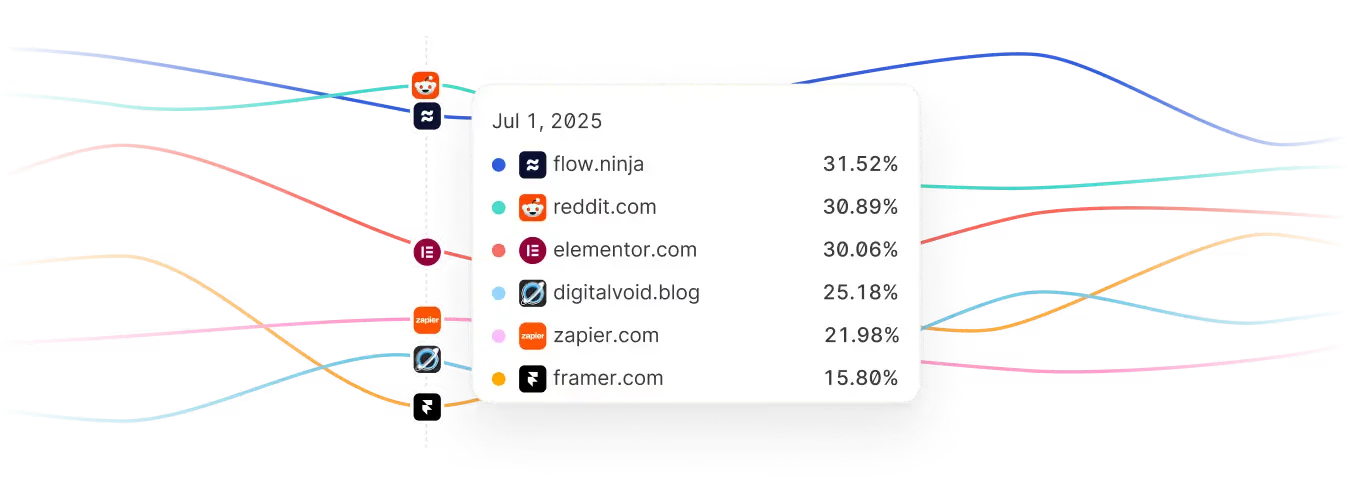
Tracking tools show you a score. Omnia shows you the source. Every citation tracked to URL level, classified by page type, owned, third-party, or social. Then it reverse-engineers the pattern into a content brief, a placement target, and a task list your team can execute this week.

Daily monitoring with real-time alerts
Citations shift when new content is indexed, when competitors publish, and when models update. Omnia captures those changes that same day.

Execution roadmap, not a dashboard
Content briefs, outreach targets, and week-by-week task lists built from citation data so your team can plan and execute quickly.

Citation intelligence to URL level
Every source AI engines reference is tracked to the exact URL — yours, a competitor's, or a third-party domain you should be targeting for placements.

Real browser execution by country
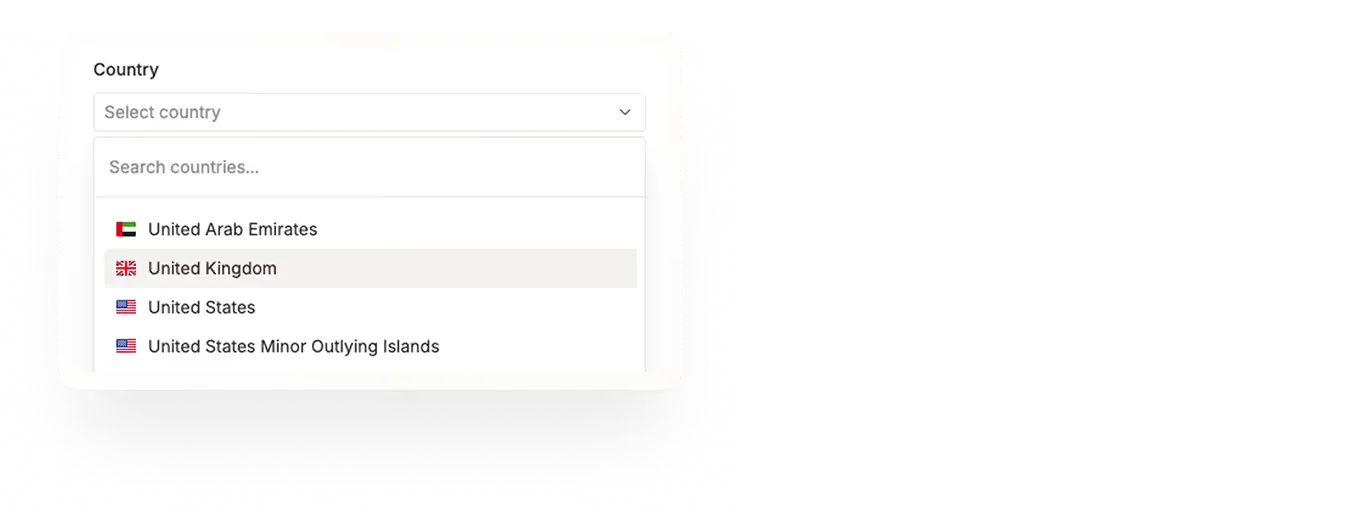
Every query runs through a real browser session in an actual geographic location. The same prompt from New York and Madrid returns different recommendations. With Omnia, you can capture both.
Otterly AI is the right tool for teams in the discovery phase so they can validate whether AI search matters for their category before committing to a full visibility strategy. Omnia is built for teams that have answered that question and need to compete. The decision is less about price and more about where you are in your AI visibility journey.
Choose Omnia if:
Read their stories
Choose {brand-name} if:

€79/mo — insight and action included. For $29/mo, monitoring included, but execution is up to you.
Otterly AI’s $29/mo Lite plan is a genuine entry point — prompt monitoring across four core engines, weekly refresh, brand sentiment, and link tracking included. To access daily tracking you need a higher tier. To add Gemini and Google AI Mode, you pay add-on fees ranging from $9 to $149/mo depending on your plan — which means full six-engine coverage costs meaningfully more than the headline price. Omnia starts at €79/mo with all four engines covered, daily refresh cadence, real browser geographic execution, URL-level citation data, and a complete execution roadmap included. No add-ons required to access the core capability.


Start boosting your AI brand visibility today
Frequently Asked Questions
Because the gap between $29 and €79 is smaller than the gap between what each tool delivers. Otterly at $29/mo tracks four core engines weekly and tells you whether your brand appears. That's the right tool for validating the channel. Omnia tracks four engines daily, through real browser sessions in actual geographic locations, with citation data traced to URL level and an execution layer that arrives with every insight. If you've validated that AI search matters and now need to compete on it, the cost difference buys you the tools to do that without a separate research and briefing step.
It's a useful starting point. Otterly's GEO Audit produces a SWOT analysis of your AI search position — showing where you're strong, where you're vulnerable, and what the opportunity landscape looks like. That's valuable intelligence. Omnia's execution layer takes the next step: citation data arrives pre-connected to a content brief specifying what to write, a placement target specifying where to publish it, and a week-by-week task list your team can execute that same week. The distinction is between an audit you interpret and an action you ship.
Gemini and Google AI Mode are add-ons in Otterly's pricing — not included in the base plan. The add-on cost ranges from $9 to $149/mo depending on your tier, meaning full six-engine coverage is more expensive than the headline price suggests. Omnia covers Google AI Mode on every plan and covers it through real browser sessions. Gemini is a genuine gap — if Gemini is a primary engine for your category and buyer audience, that matters. For most B2B teams, ChatGPT, Perplexity, Google AI Overviews, and Google AI Mode represent the engines where buying decisions are made. Omnia covers all four with no add-ons.
Possibly. If you're already generating content briefs, tracking keyword rankings, and running site audits inside Semrush, Otterly's integration keeps AI visibility monitoring inside that existing workflow. That's a real operational advantage. Omnia doesn't integrate with Semrush. If the priority is ecosystem consolidation, Otterly is the cleaner choice. If the priority is citation-level intelligence and an execution layer that goes further than Semrush's AI visibility add-on, Omnia is the right addition alongside it.
It depends on how fast your competitive landscape moves. If a competitor publishes a piece of content that earns citations in ChatGPT, Otterly's weekly tracking will surface that shift sometime in the next seven days. Omnia captures it the same day. For teams in a fast-moving category where competitors are publishing regularly, a seven-day blind spot means acting on stale data. For teams in earlier-stage discovery mode where the goal is a baseline picture rather than real-time competitive response, weekly is sufficient.
Yes. Every Omnia plan includes unlimited countries and unlimited languages at no additional cost. Geographic tracking runs through real browser sessions in actual locations — so the data reflects what buyers in each market actually see. Otterly offers country-level monitoring but does not specify whether its geographic queries run through real browser sessions or API-simulated locales.