AI Search Visibility
How We Fixed Our Own AEO in a Single Day by Leaving Webflow for Astro

 Miguel FernándezFounder & CTOatOmnia
 Daniel EspejoFounder & CEOatOmnia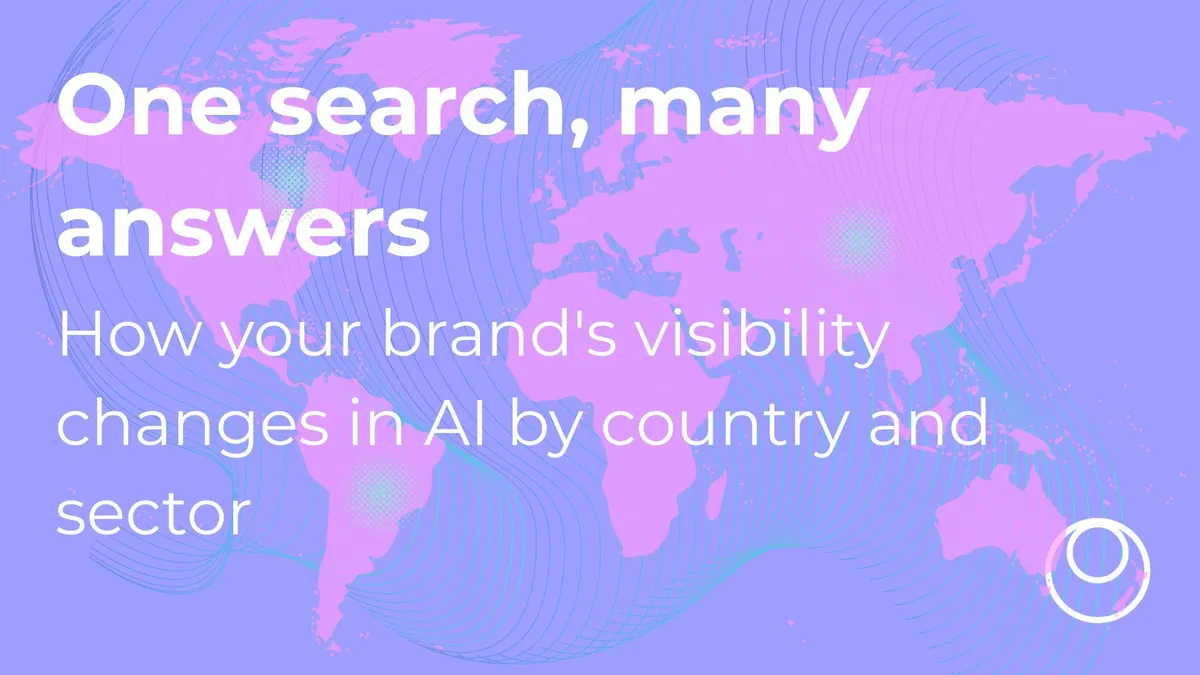
TL;DR
Your brand may be prominently visible in AI responses in one country or sector while being completely invisible in another, depending on local data availability, language, and regulation. Building a multi-market AI presence requires country-specific content strategies and the right authority signals for your sector.
For years, SEO revolved around the same goal: appearing on the first page of Google. But today, things are changing. With the growth of AI engines such as ChatGPT, Perplexity, and Gemini, brands are faced with a new question: how can they ensure visibility when it is no longer a ranking that decides the content, but an AI model?
This change does not affect all places and industries in the same way. In our experience at Omnia, we have observed that a brand's visibility can vary considerably depending on three factors: the country, the sector, and the data sources that AI engines prioritise.
When someone searches for something on an AI engine, the model creates responses based on what it has learned from learned sources and the web in real time. This means that two people in different countries (or even in different industries) may get completely different answers.
Some key factors behind these differences:
In countries where AI engines access local media, directories, or more robust academic publications, brands that appear in those resources gain prominence in responses.
Industries such as healthcare, finance, and tourism have more dominant regulations and official sources. This causes the AI engine to prioritise these sources, displacing other players.
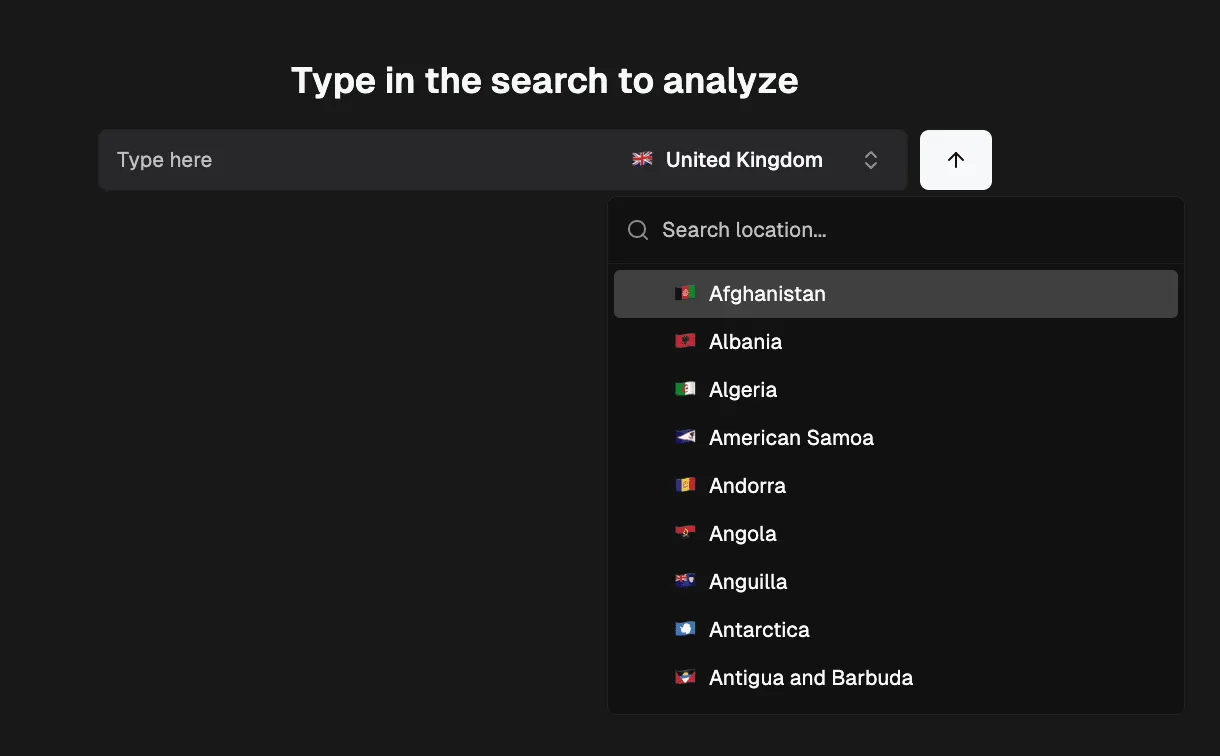
Searching in English in the United Kingdom is not the same as searching in Spanish in Mexico. Media coverage and the wealth of available content directly affect which brands enter the conversation.
In summary: there is no single way to ‘appear’ in AI engines. It all depends on the context.
To put it into perspective, let's see how visibility changes in different sectors depending on the country.
A start-up in Spain may have a strong presence in local media, but if someone in the US searches in Perplexity for ‘best project management tools’, they are likely to see only the best-known options: Asana, Trello or Monday. Local start-ups are completely out of sight in other markets.
What influences it: international rankings, reviews in English, and mentions in global technology media.
Risk: missing opportunities in markets where the product could be a good fit, but where the brand simply does not appear.
In Mexico, AI engines prioritise banks and fintechs that comply with local regulations and are listed in official sources. In Spain, however, the same questions could include traditional banks and European players such as Revolut or N26.
What influences it: presence in regulators, financial press and comparison websites.
Risk: that an international player captures visibility in your own market because they appear in more relevant sources.
In local markets such as Spain, if you search for ‘best kids fashion online shops,’ you are likely to find Spanish brands. However, if you do the same search in English from the UK, the results tend to focus on British or global companies.
What influences: international SEO, media coverage, and reviews on marketplaces.
Risk: being confined to a domestic market even though the product has international potential.
The good news is that visibility on AI engines is not difficult. There are clear levers that brands can pull to achieve this visibility:
Before taking action, we need to know where we stand. Which AI engines do we appear in? Which sources does the model associate us with? Which countries recognise us and in which are we invisible?
Publishing in only one language limits your reach. Translating, adapting, and distributing content multiplies your chances of appearing in new markets.
In regulated sectors (health, fintech, legal), AI engines prioritise official sources. Being present in regulators, associations or academic studies can be decisive.
The first step is to know and understand where these engines get their information from. Without that, we cannot do anything.
The advent of AI engines is transforming the way online visibility is built. It is no longer enough to master SEO in your country. The crucial question is: where do you appear when someone consults an AI?
Brands that grasp this dynamic before their competitors will have an advantage in new markets and will be able to establish themselves as global leaders.
At Omnia, we are convinced that the only way to compete in this new scenario is by knowing what AI engines say about your brand. And we help you find out.
Omnia offers a 14-day free trial on the Growth plan.
No credit card required. See exactly where your brand shows up (or doesn't) across AI engines, then let the platform's recommendations guide your next move.

Not exactly. Each engine uses a different combination of sources, although many tend to prioritise reliable media, Wikipedia, Reddit, etc.
No. SEO is still key, but it is no longer enough. Now it is necessary to think about brand reputation in a much broader ecosystem.
Yes. At Omnia, we develop benchmarks that show how mentions of a brand change according to country, sector, or AI engine.
Written By
 Daniel EspejoFounder & CEOatOmniaMiguel FernándezFounder & CTOatOmnia
 Jose Luis García del RíoGrowthatOmnia
 Jose Luis García del RíoGrowthatOmnia
 Miguel FernándezFounder & CTOatOmnia
 Jose Luis García del RíoGrowthatOmnia
No credit card required · Free for 14 days · See your AI visibility within 3 minutes