

Microsoft Copilot holds just 1.1% of consumer search share, but it’s built into Windows, Edge, and Microsoft 365, which means enterprise procurement teams encounter it inside the tools they use every day. When they research vendors, Copilot is already open. A rank tracking tool for Copilot measures whether your brand appears in those AI-generated answers and which sources Copilot cites when it recommends your competitors instead. It doesn’t measure a position on a results page. Omnia is the top pick for SEO teams at scaleups that sell to enterprise buyers. Copilot tracking is available as an add-on extension alongside the core platform.
Copilot uses Bing's search index to source information, meaning strong Bing SEO signals influence how often you’re cited rather than Google rankings. One practical step is submitting pages to IndexNow, which sends update signals to Bing so new or changed content can surface in Copilot answers sooner.
For many B2B companies, that visibility matters because Copilot is becoming part of the enterprise buying journey. Microsoft reported 15 million paid Microsoft 365 Copilot seats by early 2026, up 160% year over year, as more organizations use AI to research vendors and evaluate products. This guide covers 14 tools for tracking and improving that visibility.
What is a rank tracking tool for Copilot?
A Copilot rank tracking tool measures how your brand appears in Microsoft Copilot’s AI responses. “Rank” here doesn’t mean a fixed position like in traditional search. It refers to whether you appear at all, how often you show up across prompts, which sources are cited when you are mentioned, and how your visibility compares with competitors.
This is different from traditional Bing rank tracking. Bing SEO tools measure where your pages appear in keyword results, not AI answers.
How Copilot rank tracking is different from traditional rank tracking
Traditional rank tracking shows a fixed position, like "position 4 for best CRM for enterprise teams." Copilot tracking measures whether your brand appears in Copilot's answers, which sources are cited, and how that changes across a prompt set over time.
Copilot grounds its answers in Bing's search index, so visibility depends on Bing SEO signals like page authority and structured data. Keeping content updated through IndexNow helps Bing reflect changes faster, which improves how quickly your pages can surface in Copilot responses.
Copilot results also change based on how a prompt is phrased, timing, and context. Because of this, Copilot SEO rank tracking software and Copilot search rank tracking software run repeated prompts and measure patterns rather than a single rank.
Why manual spot-checking doesn’t scale
Copy-pasting Copilot answers into a spreadsheet may seem like a simple tracking solution but doesn’t work in practice. Results change based on wording, timing, and context, so you never get a stable view of performance. It also doesn’t scale because you can’t realistically test enough prompts to understand patterns across competitors or use cases.
Copilot rank tracking free tools or another free Copilot rank tracking setup can help you run basic checks, but they fall apart once you need consistent reporting. Even the best free copilot rank tracker only covers a limited set of prompts, so it misses how often your brand appears or gets cited across Copilot responses.
How Copilot rank tracking tools work
Most Copilot tracking tools run a set of prompts against Copilot on a defined schedule and aggregate the results into share-of-voice metrics your team can track over time. Tools that query via API can get different results than tools that run prompts through a real browser session, because Copilot's behavior varies depending on how it's accessed.
Copilot also runs one of the tightest citation budgets of any major AI engine. Across Omnia's citation database, Copilot averages 4.36 distinct domains per answer, roughly half of ChatGPT at 9.97 and Google AI Mode at 10.47. Six in ten Copilot answers cite four domains or fewer.
Those slots also turn over frequently. Only 41.5% of Copilot prompts keep the same top-cited domain week over week, compared to 51.5% on ChatGPT and 52.1% on Google AI Overviews. Appearing in Copilot one week doesn't mean appearing the next.
What you can trust vs what's directional
Share of voice across a prompt set and citation domains that appear consistently across runs are reliable signals. A single Copilot answer tells you what the engine returned once. Because answers vary based on phrasing and context, one run isn't enough to draw conclusions from.
The citation layer: Why this is the most actionable output
Citations are what drive Copilot recommendations. Every answer is built from Bing-indexed sources, so seeing which domains Copilot cites and whether your brand appears among them is more useful than a visibility score on its own.
Copilot also cites many sources that don't appear in Google or ChatGPT results. Only 13% of ChatGPT's cited domains and 18% of Perplexity's overlap with Copilot for the same prompt. That means brands with strong Bing-indexed third-party coverage can earn Copilot visibility even if they rank less strongly in Google.
When a domain is cited by both ChatGPT and Perplexity, it appears in Copilot 39.6% of the time, around three times the rate of domains cited by just one model. The best Copilot SEO tracker and Copilot site rank tracking software highlight these citation patterns so you know which third-party domains are most likely to improve your visibility.
Country-level testing: Why rank tracking tool Copilot results vary by market
The same prompt can produce different Copilot answers in different countries because Bing relies on local search indexes and signals. For example, asking "best project management software for remote teams" in the US and Germany is likely to return different brands and different citations.
In practice, Copilot online rank tracking should test prompts from each target market and report results separately. Copilot online rank tracking tools that average results across countries can mask local performance.
A brand with 60% visibility in the US and 12% in Germany doesn't have one ranking problem. It needs to strengthen its presence in the German sources that Copilot cites while maintaining performance in the US. The best online Copilot rank tracker tool keeps separate baselines for each market so those opportunities are easy to spot.
Comparing the best Copilot rank tracking tools at a glance
Use this table to shortlist three Copilot search rank tracking tools then read the detailed reviews below.
| Copilot Rank Tracker Tools | Copilot support | Country controls | Citation depth | Action layer | Starting price |
|---|---|---|---|---|---|
| Omnia | Available on all plans via extension | 60+ markets, real browser sessions | URL-level | Content briefs, placement targets | €79/mo |
| Semrush | Enterprise AI Optimization only | Not documented | Domain and URL | None | Contact sales |
| Ahrefs | All-platforms plan only | Not specified | Domain and URL | None | $699/mo |
| Profound | Enterprise only | 1 country (non-enterprise) | Domain and URL | Agent Builder (Enterprise) | $99/mo |
| Dageno | All plans (as engine slot) | Unlimited | Domain-level | Autonomous agents | $79/mo |
| Superlines | All plans (as engine slot) | Not specified | Domain-level | Action Center | €89/mo |
| SE Visible | Not tracked | Not specified | Domain-level | None | $189/mo |
| Scrunch AI | Core plan included | Multi-region | Domain-level | None | $250/mo |
| LLM Pulse | Enterprise only | Not specified | Domain-level | Content briefs | €49/mo |
| Searchable | Add-on on all plans | Unlimited | Domain and URL | Content engine | $150/mo (with Copilot) |
| Otterly AI | All plans included | 50+ countries | Domain-level | GEO Audit only | €29/mo |
| Orchly | Free checker only | Not applicable | Domain-level | None | Free |
| AIclicks | All plans (as engine slot) | 1 country (Starter), unlimited (Pro+) | Domain-level | AI agents | $59/mo |
| Moz | Not tracked | Not applicable | None | None | $99/mo |
The best Copilot rank tracking tools in 2026, ranked
This list breaks down the best tools for tracking Copilot visibility alongside other AI search engines.
1. Omnia: Best Copilot rank tracking platform for citation intelligence and execution
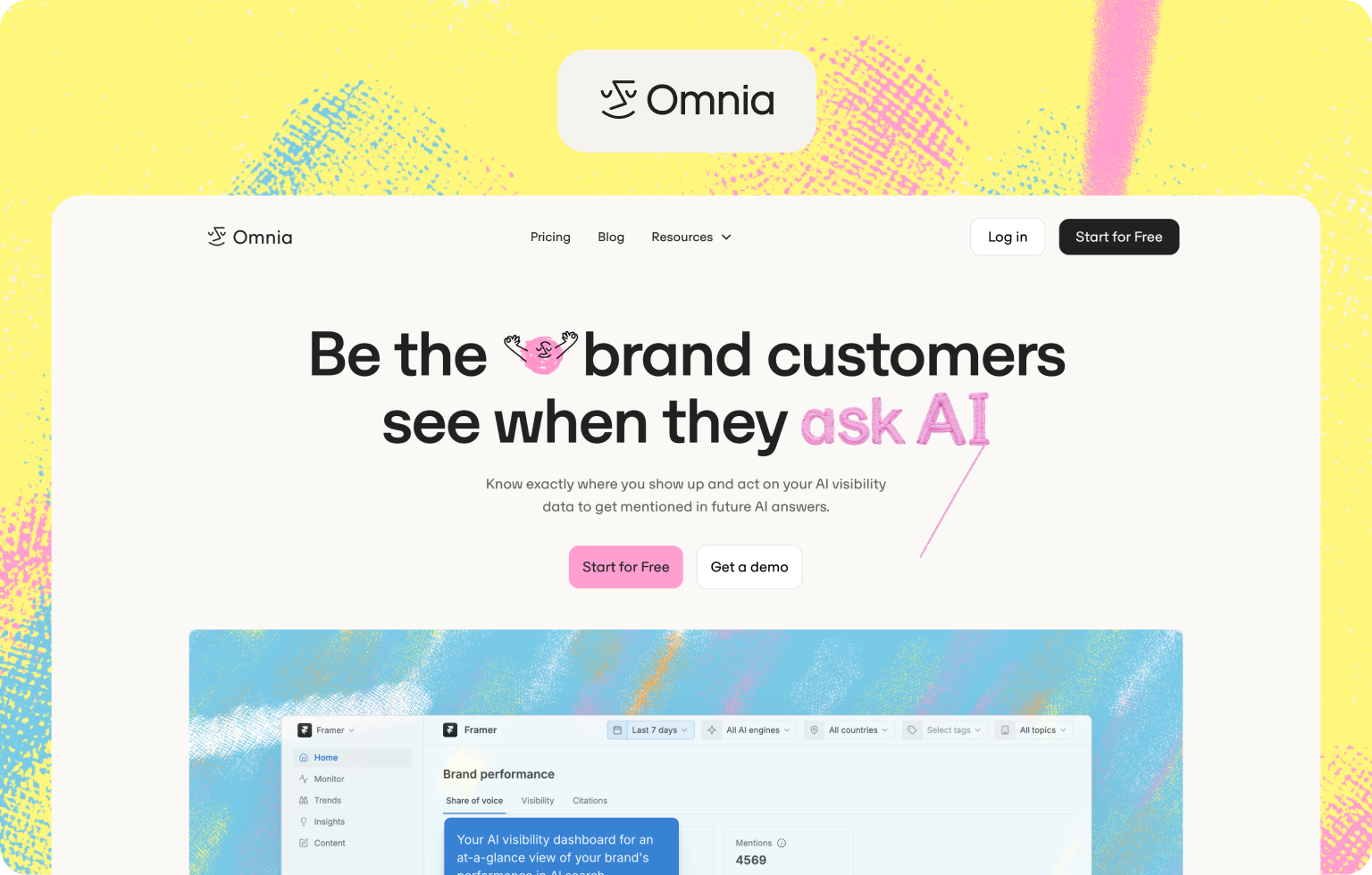
Omnia is an AI search visibility platform that tracks your visibility across ChatGPT, Perplexity, Google AI Overviews, Google AI Mode, Claude, Gemini, and Copilot. It identifies the competitor pages earning citations for your target prompts, then suggests content opportunities and publication targets to help you win those citations.
Best for
SEO teams at scaleups selling to enterprise buyers who need Copilot visibility tracking alongside citation intelligence and an action layer.
What it does well
Every Omnia plan includes tracking for ChatGPT, Google AI Overviews, Google AI Mode, and Perplexity. Copilot, Claude, and Gemini are available as add-on extensions, so teams can add them when they need broader AI search coverage.
Omnia runs prompts through real browser sessions from specific countries to show what local users see. It also tracks citations at both the domain and URL level, making it easy to see which Bing-indexed pages earn Copilot references.
The cross-model data shows why it's worth tracking more than one AI engine. Only 13% of domains cited by ChatGPT and 18% cited by Perplexity also appear in Copilot for the same prompt. But when both ChatGPT and Perplexity cite the same domain, it appears in Copilot 39.6% of the time. That makes shared citation authority a stronger signal than optimizing for a single model.
The built-in action layer turns those insights into content briefs and placement targets. A typical workflow is to review visibility, identify the competitor pages earning citations, publish improvements, then measure the results. The MCP connector lets teams do that work directly from Claude or ChatGPT.
Key features
- Copilot tracking via add-on extension, alongside Claude and Gemini
- Four core engines included at every plan tier: ChatGPT, AI Overviews, AI Mode, Perplexity
- Country-level tracking via real browser sessions across 60+ markets
- URL-level citation extraction showing which Bing-indexed pages earn Copilot references
- Cross-model citation intelligence across LLMs
- Share of voice trending by country and engine
- Native action layer generating content briefs, placement targets, and structured outlines
- MCP server with read and write access for teams using AI assistants as a daily work surface
Watch-outs
Copilot tracking requires the add-on extension and isn’t included in the base plan. Teams that only need Copilot monitoring with no broader cross-model strategy may find a purpose-built tool a cheaper starting point.
Good fit if
- You need Copilot tracking as part of a broader AI visibility tracking program
- You sell to enterprise buyers who research vendors in Microsoft 365 and Edge
- You want citation intelligence identifying which Bing-indexed domains to target
Not a fit if
- You only need a free one-off Copilot mention check
- Your sole requirement is Copilot tracking with no interest in ChatGPT, Perplexity, or AI Overviews data
When to choose Omnia over a dedicated Copilot tracker
Choose Omnia when you need more than Copilot visibility alone. It shows which competitor URLs earn citations and why, across multiple AI engines, and turns those gaps into content briefs your team can act on.
- Growth: €79/mo
- Pro: €279/mo
- Enterprise: Starting at €499/mo
2. Semrush: Best Copilot SEO rank tracking tool for teams already in the Semrush ecosystem
Semrush is an SEO and marketing platform with an AI tracking add-on.
Best for
Enterprise SEO teams already using Semrush who want Copilot tracking alongside traditional search data without adding another platform.
What it does well
- Prompt Research draws on 239M+ AI queries to surface what audiences are asking
- Brand Performance reports show how your brand is described in AI-generated answers
- GA4 integration connects AI visibility data to traffic and conversions
Watch-outs
The standalone AI Visibility Toolkit covers ChatGPT, Google AI Overviews, and Google AI Mode only. Copilot tracking is part of the separate Enterprise AI Optimization product, which requires contacting sales for pricing.
When to choose Semrush over a dedicated Copilot tracker
Choose Semrush when you're already paying for it and want Copilot tracking in the same place as your SEO data.
Pricing
- AI Visibility Toolkit: $99/mo (on top of a base Semrush subscription)
- Pro: $139.95/mo
- Guru: $249.95/mo
- Business: $499.95/mo
3. Ahrefs: Best Copilot SEO rank tracker for teams already in the Ahrefs ecosystem
Ahrefs is an SEO platform whose Brand Radar product tracks AI visibility across using a prompt index built from real search queries.
Best for
SEO teams already using Ahrefs who want Copilot tracking alongside competitor analysis without adding another tool.
What it does well
- Brand Radar's 405M+ prompt index draws from real search queries
- Copilot is included in the all-platforms plan
- The Site Explorer module shows which earned links are driving AI recommendations
Watch-outs
Copilot tracking is only included on the all-platforms plan at $699/mo.
When to choose Ahrefs over a dedicated Copilot tracker
Choose Ahrefs when you're already using it for SEO and want Copilot visibility layered into the same workflow.
Pricing
- Select platforms: From $199/mo
- All AI platforms: $699/mo
4. Profound: Best Copilot SEO software for enterprise AI visibility programs
Profound is an enterprise AI search tracking platform built for teams that need structured, research-grade reporting at scale.
Best for
Enterprise teams in regulated industries where SOC 2 compliance and audit trails are non-negotiable.
What it does well
- Conversation Explorer draws on 400M+ real user conversations to surface what people are asking
- Role-specific dashboards mean different stakeholders see the data formatted for their needs
- White-glove support and dedicated Slack access on Enterprise plans
Watch-outs
Copilot tracking is only available on the Enterprise plan, which requires custom pricing. A Profound alternative may prove more affordable.
When to choose Profound over a dedicated Copilot tracker
Choose Profound when compliance certifications are a hard procurement requirement and your budget supports Enterprise pricing.
Pricing
- Starter: $99/mo
- Growth: $399/mo
- Enterprise: Custom
5. Dageno: Best Copilot SEO checker for cross-platform monitoring with content gap intelligence
Dageno is an AI search visibility platform that tracks brand mentions and citations across a choice of 9 platforms.
Best for
Marketing teams that need to monitor brand visibility across a range of major AI models simultaneously.
What it does well
- AI tracking is available for ChatGPT, Gemini, Perplexity, Grok, Claude, DeepSeek, Copilot, Google AI Mode, and Google AI Overviews
- Competitive share-of-voice dashboards show how visibility compares across all monitored platforms in one view
- Sentiment analysis tracks how AI search engines describe your brand in context
Watch-outs
Content production is handled by autonomous agents, so teams that want to review content before it goes live will need to factor that into their workflow.
When to choose Dageno over a dedicated Copilot tracker
Choose Dageno when broad engine coverage matters and Copilot is one part of a wider monitoring brief rather than the primary focus.
Pricing
- Starter: $79/mo
- Growth: $199/mo
- Scale: $499/mo
- Enterprise: Custom
6. Superlines: Best Copilot SEO analysis tool for teams wanting a comprehensive Copilot tracking suite
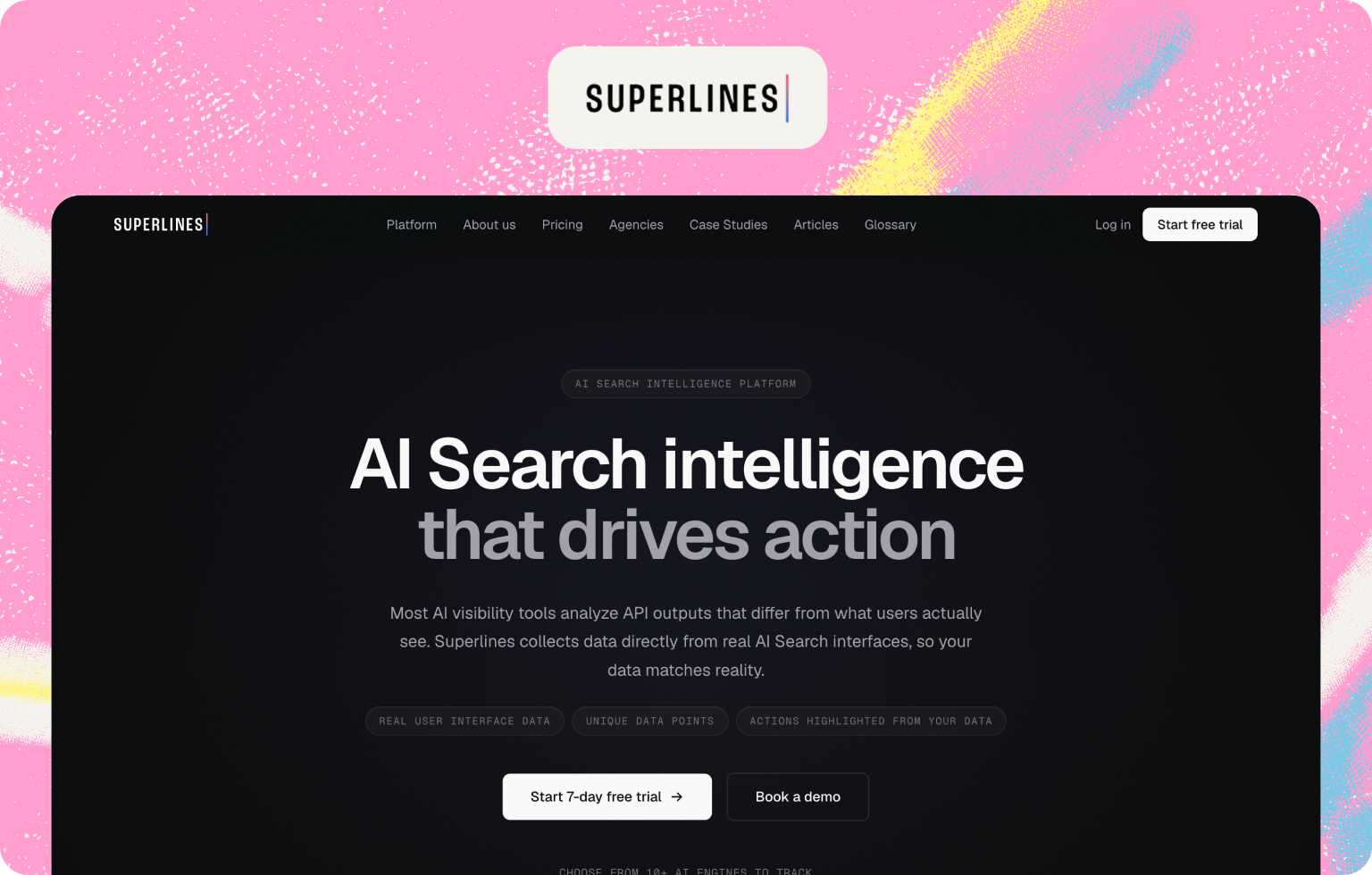
Superlines is an AI search visibility platform that tracks brand mentions, citations, and share of voice, with an action layer that converts visibility data into prioritized tasks.
Best for
Enterprise marketing teams that want Copilot tracking alongside a built-in action layer and AI agent access.
What it does well
- Tracks brand visibility across 10 engines
- The Action Center converts visibility data into prioritized tasks covering new content, technical fixes, and media outreach
- MCP server and API access lets teams pipe visibility data directly into Claude, Cursor, or VS Code
Watch-outs
The jump from Starter to Growth leaves no mid-tier option for teams that need more than 50 prompts but can't justify the Growth price.
When to choose Superlines over a dedicated Copilot tracker
Choose Superlines when you need Copilot as part of broad multi-engine monitoring.
Pricing
- Starter: €89/mo
- Growth: €379/mo
- Enterprise: Custom
7. SE Ranking Visible: Best Copilot SEO rank tracking software for teams already using SE Ranking
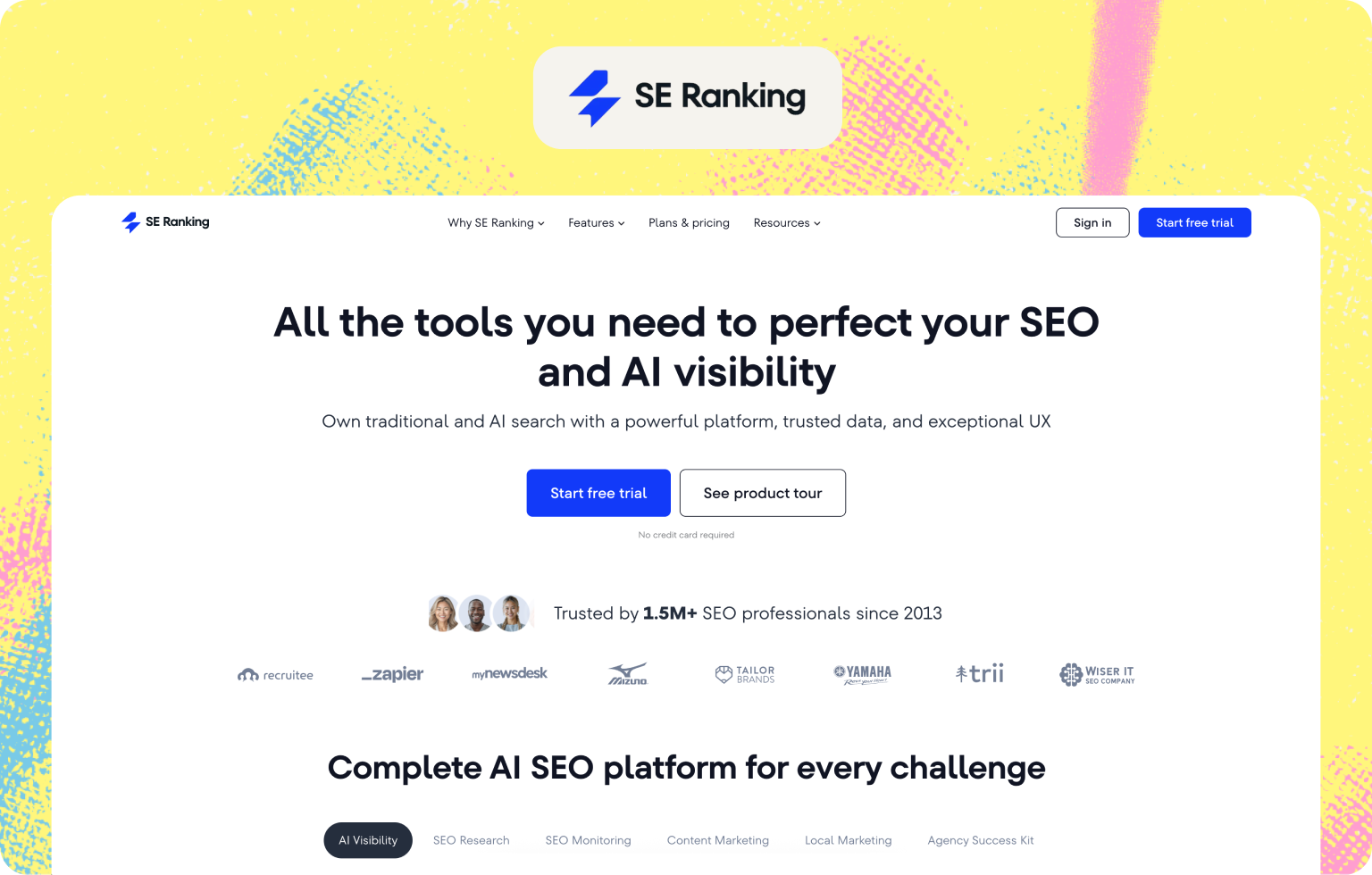
SE Visible is a standalone AI visibility dashboard from SE Ranking that tracks brand AI presence and sentiment.
Best for
SEO teams already using SE Ranking who want to strengthen Bing signals and track AI visibility across Google and ChatGPT.
What it does well
- SE Ranking’s Bing Rank Tracker monitors day-to-day Bing positions by country
- AI competitor research lets you check any domain's visibility without setting up a tracked project first
- MCP and API access lets teams query AI visibility data live inside Claude or pipe it into reporting tools like Data Studio
Watch-outs
Neither SE Visible nor SE Ranking tracks Copilot directly.
When to choose SE Visible over a dedicated Copilot tracker
Choose SE Visible if you're in the early stages of building AI visibility and other engines like ChatGPT and Google AI Mode are the immediate priority. SE Ranking's Bing rank tracking covers the groundwork that feeds Copilot citations in the background, so you're not ignoring Copilot entirely while focusing elsewhere.
Pricing
- Core: $129/mo
- Growth: $279/mo
- AI Search add-on: from $89/mo
8. Scrunch AI: Best Copilot rank tracking software for multi-engine monitoring
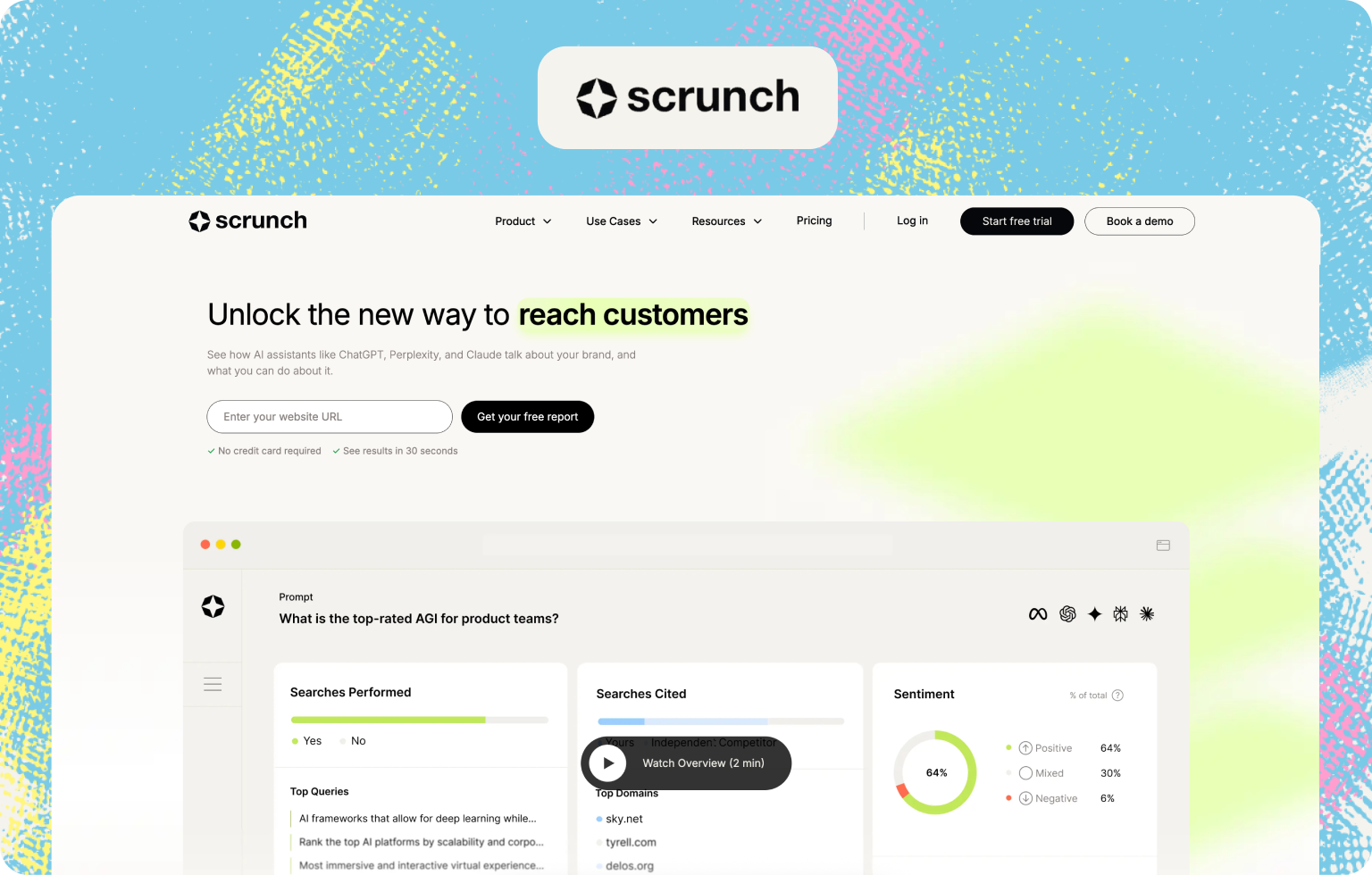
Scrunch AI is an enterprise AI visibility platform that tracks brand performance across AI engines, with real-time bot crawling showing when and how AI agents access your content.
Best for
Enterprise teams that need Copilot tracking alongside broad engine coverage and technical diagnostics.
What it does well
- Copilot tracking is included on the Core plan, covering mentions, position, sentiment, citations, and referral traffic from Copilot to your site
- Real-time bot crawling logs when AI agents access your pages and flags errors that may prevent Copilot from retrieving your content
- Automated recommendations surface how to improve Copilot visibility
Watch-outs
Multi-country tracking requires the Enterprise plan, so global teams may prefer a Scrunch alternative.
When to choose Scrunch AI over a dedicated Copilot tracker
Choose Scrunch when diagnosing why Copilot isn't retrieving your content matters as much as tracking whether it does.
Pricing
- Core: $250/mo
- Enterprise: Custom
9. LLM Pulse: Best Copilot SEO checking tool for maximum model breadth
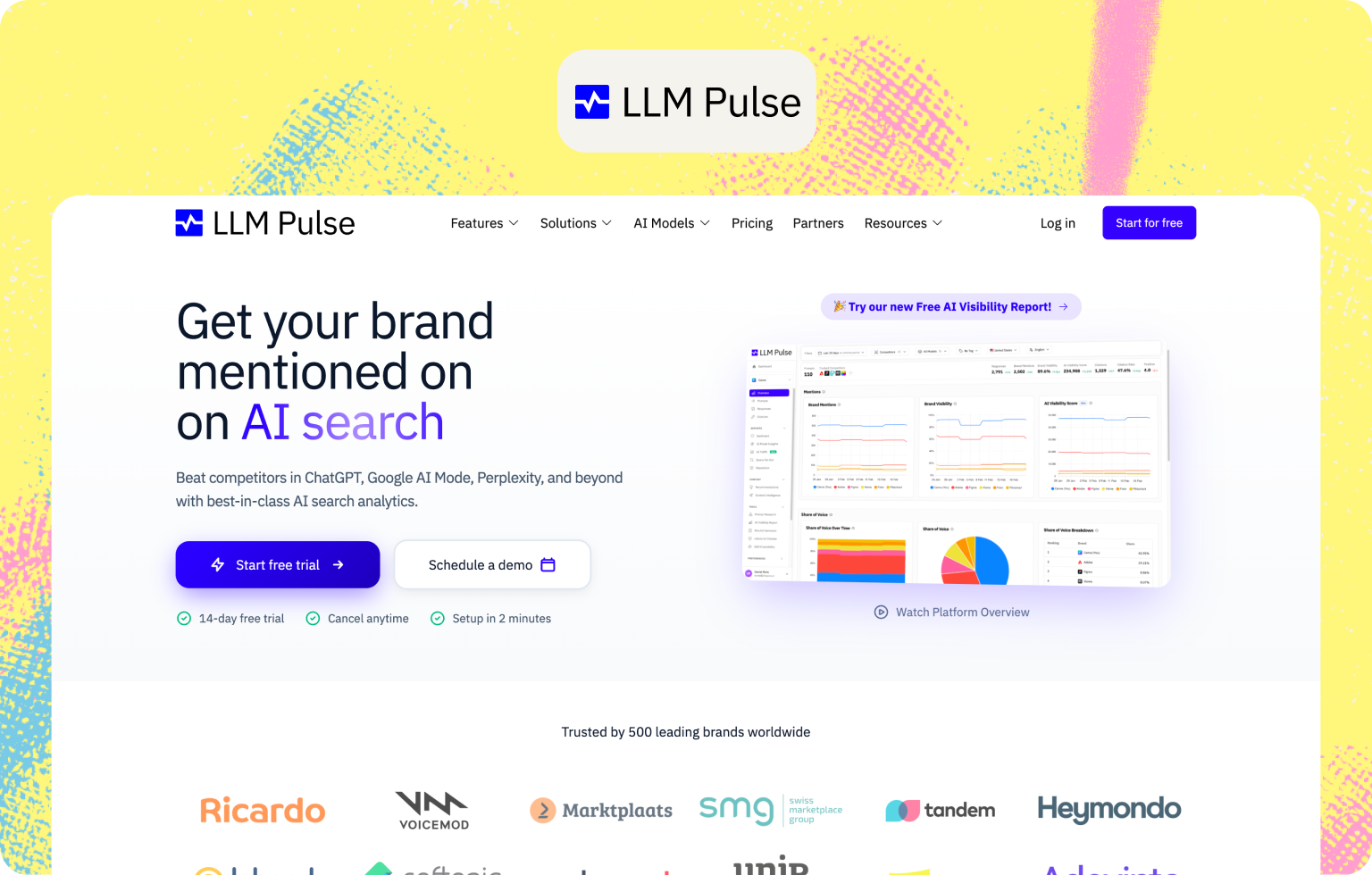
LLM Pulse is an AI visibility monitoring platform with content brief generation and page optimization recommendations.
Best for
SMBs and startups that need to monitor brand visibility across a wide range of AI engines on a limited budget.
What it does well
- LLM Pulse offers a low point of entry starting at €49/mo
- Content Intelligence analyzes existing pages and produces optimization recommendations and content briefs
- All plans support unlimited team members
Watch-outs
Copilot tracking requires the Enterprise plan.
When to choose LLM Pulse over a dedicated Copilot tracker
Choose LLM Pulse when broad engine coverage and content brief generation matter more than daily refresh cadence.
Pricing
- Starter: €49/mo
- Growth: €99/mo
- Scale: €299/mo
- Enterprise: Custom
10. Searchable: Best Copilot rank tracker for full-stack visibility with GA4 integration
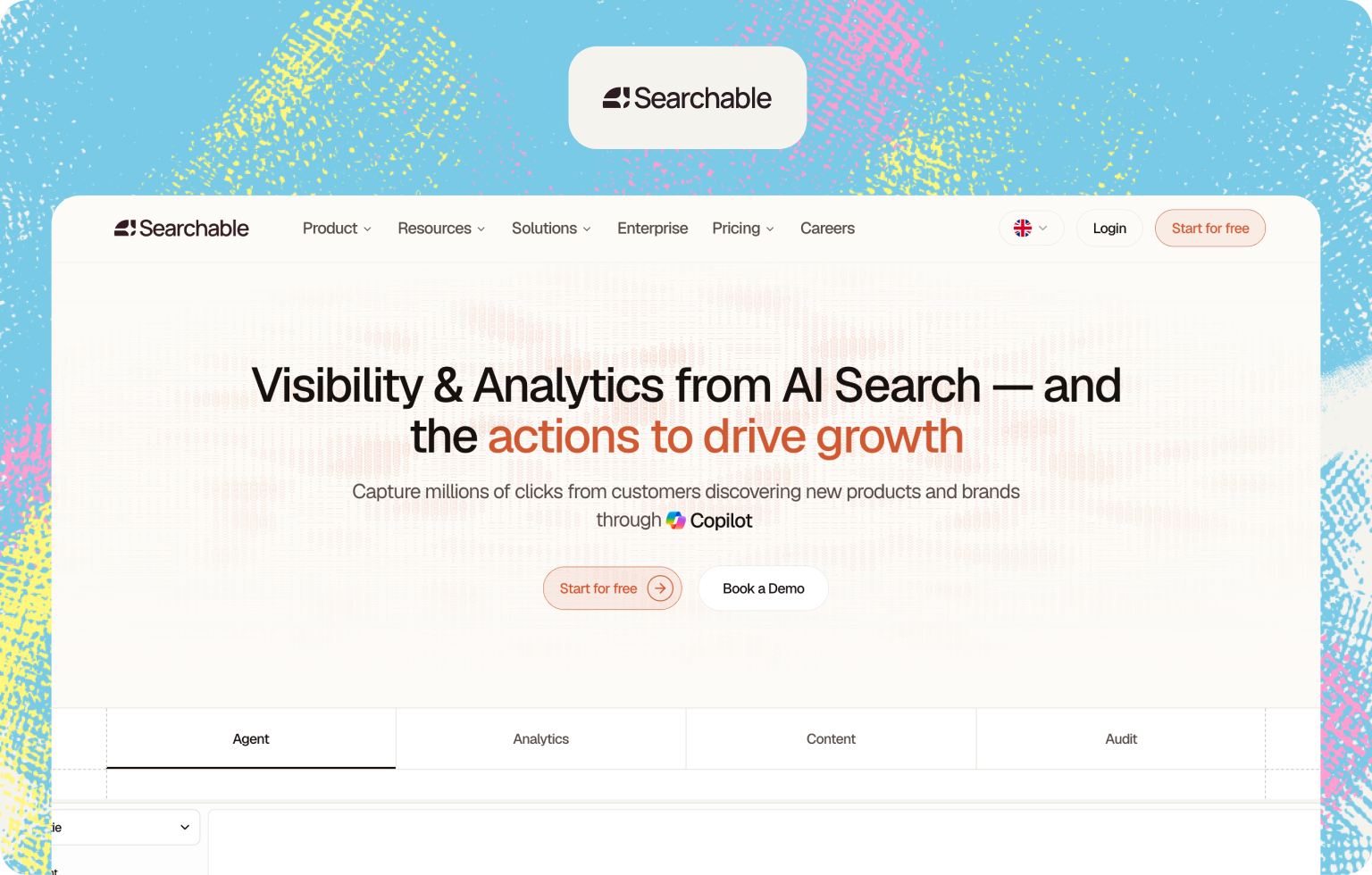
Searchable is an AI visibility platform with GA4, HubSpot, and Salesforce integrations.
Best for
In-house brand teams that want Copilot tracking alongside competitive benchmarking and content generation.
What it does well
- Competitive benchmarking shows how rivals appear in Copilot answers for your target prompts
- The integrations connect Copilot visibility data to traffic and revenue
- Built-in content engine generates content structured for AI citation
Watch-outs
Copilot is an add-on rather than included in base plans.
When to choose Searchable over a dedicated Copilot tracker
Choose Searchable when you need to connect Copilot visibility data to revenue attribution.
Pricing
- Pro with Copilot: $150/mo
- Scale with Copilot: $525/mo
- Enterprise with Copilot: $1,314/mo
11. Otterly AI: Best lightweight Copilot SEO tracking tool
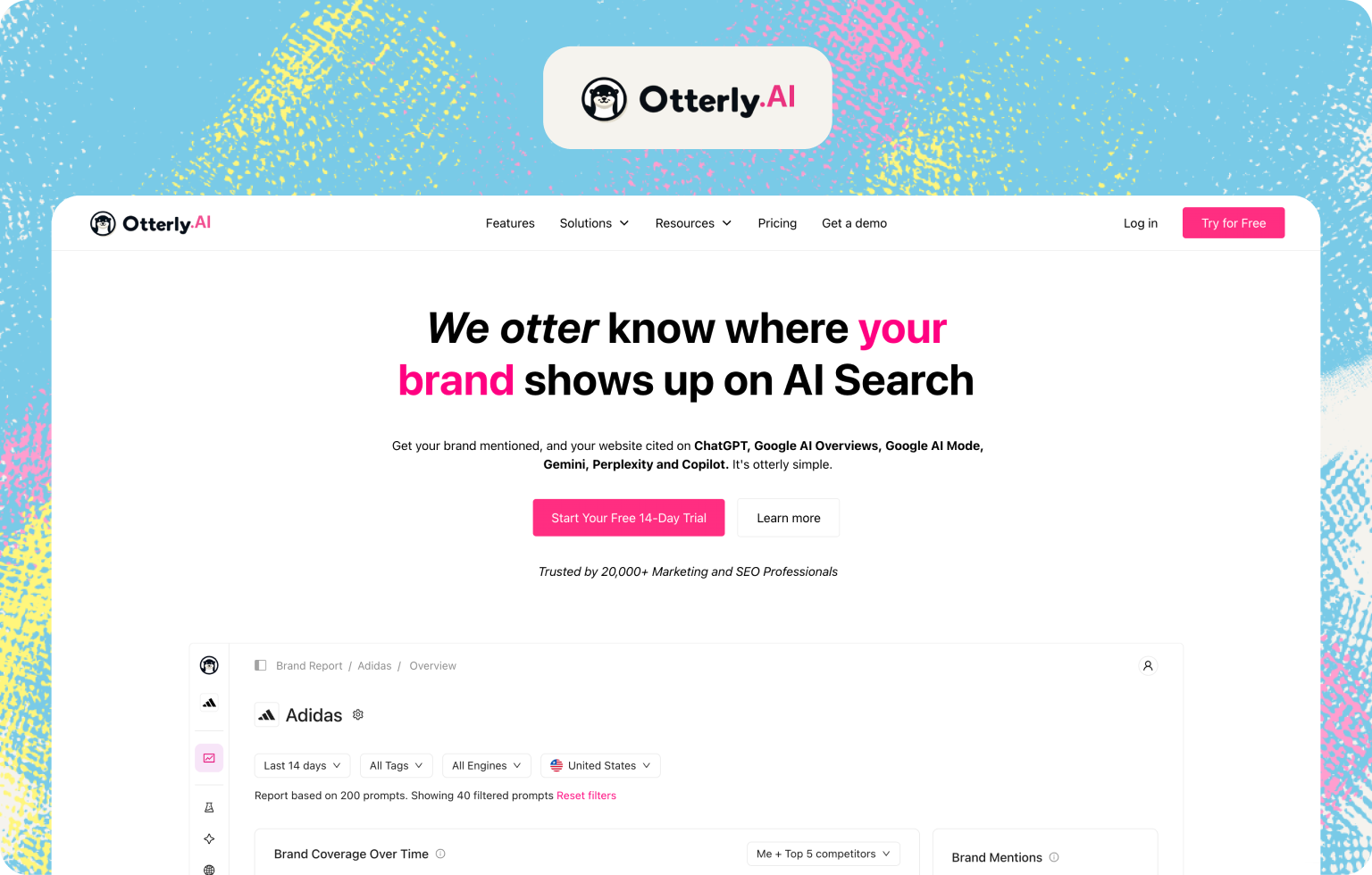
Otterly AI is a lightweight AI visibility platform that includes Copilot tracking alongside ChatGPT, Perplexity, and Google AI Overviews.
Best for
Teams in the early stages of AI visibility tracking who want Copilot included at a low entry price without committing to a full monitoring suite.
What it does well
- Copilot is included on every plan, with daily tracking on Standard and Premium and 50+ country support across all tiers
- GEO Audit runs structural and technical checks on your pages and returns recommendations to improve
- MCP access on Standard and Premium plans lets teams pipe visibility data into AI assistants
Watch-outs
The Lite plan at €29/mo refreshes weekly rather than daily, which limits how quickly you can act on citation changes compared to Otterly alternatives.
When to choose Otterly AI over a dedicated Copilot tracker
Choose Otterly when budget is the primary driver.
Pricing
- Lite: €29/mo
- Standard: €189/mo
- Premium: €489/mo
- Enterprise: Custom
12. Orchly: Best Copilot free rank tracking software for instant visibility checks
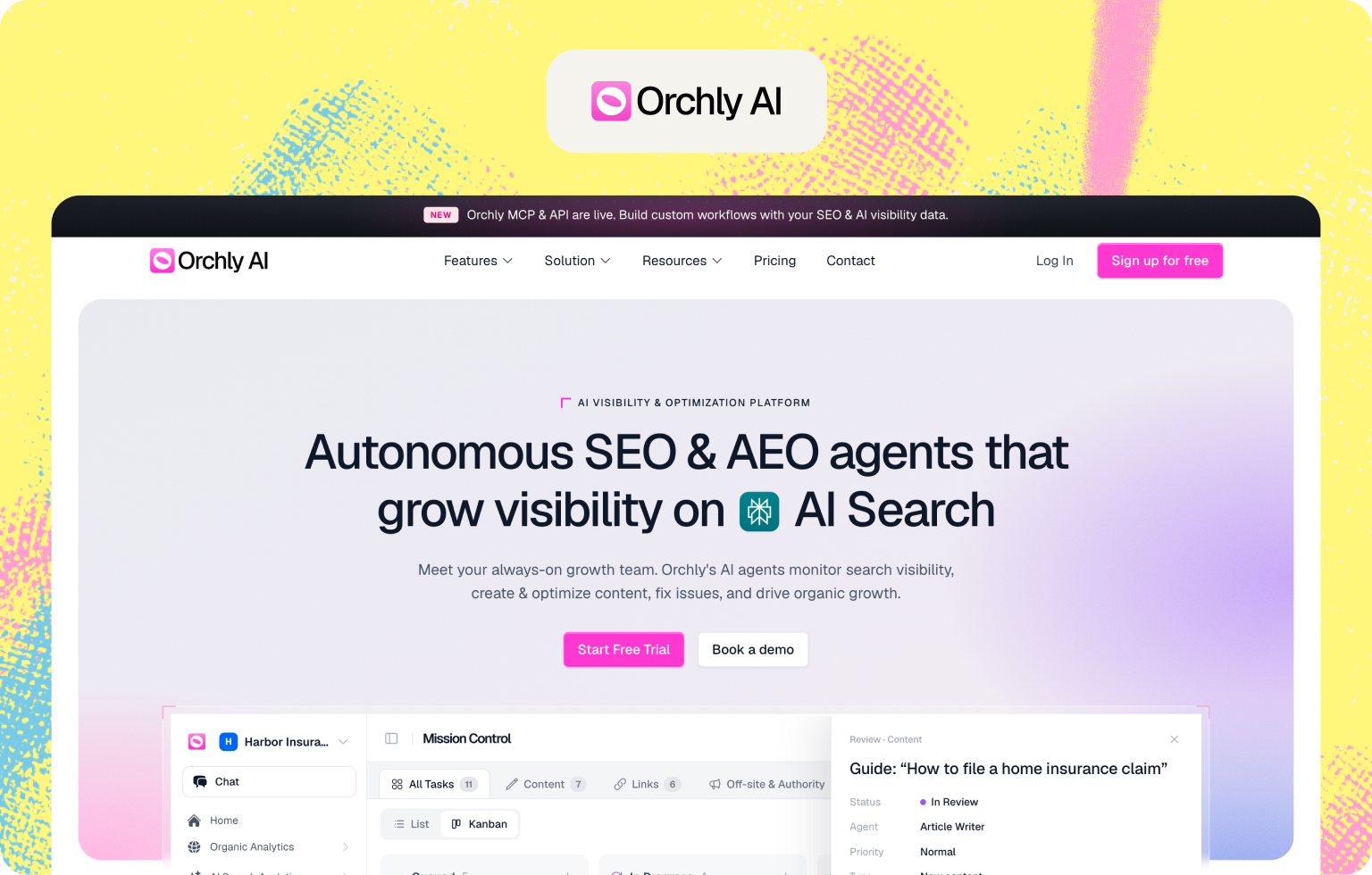
Orchly offers a free Copilot rank checker that runs your prompt through a real browser session.
Best for
Teams that want a free baseline Copilot visibility check before committing to a paid monitoring program.
What it does well
- The free checker runs any prompt against Copilot and returns whether your brand appears, which sources Copilot cited, and how competitors show up in the same answer
- No account or credit card is required
- The paid platform offers daily tracking, an action layer, and AI agents for content production, but Copilot isn’t included
Watch-outs
The free checker is a single-run tool and isn’t included in the paid platform's tracked engines.
When to choose Orchly over a dedicated Copilot tracker
Use the free checker when you need a one-off snapshot of Copilot visibility for a report or stakeholder meeting.
Pricing
- Free Copilot checker
- Essential: $49/mo
- Pro: $125/mo
- Enterprise: Custom
13. AIclicks: Best Copilot rank tracker software for teams working with AI agents

AIclicks is an AI visibility platform that tracks brand mentions across AI engines and generates optimization recommendations for improving visibility.
Best for
Growing teams that want citation-level intelligence and AI agent-driven optimization recommendations.
What it does well
- Copilot tracking is available on all plans as one of your chosen engines
- Source analysis identifies which specific domains are driving competitor citations in Copilot
- AI agents generate optimization recommendations including content briefs, Reddit mentions, directory listings, and comparison pages
Watch-outs
The Starter plan lets you track 3 engines across 1 country only, so multi-market Copilot tracking requires the Pro plan.
When to choose AIclicks over a dedicated Copilot tracker
Choose AIclicks when you want to act on citation data through specific outreach and content channels rather than just identifying where competitors are winning.
Pricing
- Starter: $59/mo
- Pro: $189/mo
- Business: $499/mo
- Enterprise: Custom
14. Moz: Best for foundational Bing authority signals feeding Copilot indirectly
.png)
Moz is an SEO platform that doesn't track Copilot directly, but helps build the Bing authority signals that influence whether your brand gets cited in Copilot answers.
Best for
SEO teams already using Moz who want to strengthen their Bing presence.
What it does well
- Keyword Explorer shows AI Overview presence alongside traditional rankings
- Domain authority and backlink analysis directly inform Bing SEO signals
- AI Visibility Dashboards on Medium and Large plans track the cross-model authority signals that correlate with Copilot citations
Watch-outs
Moz doesn't track Copilot directly. Prompt tracking is limited to ChatGPT, Gemini, and Google AI Mode.
When to choose Moz over a dedicated Copilot tracker
Choose Moz when technical Bing SEO is the suspected reason your brand isn't appearing in Copilot answers.
Pricing
- Standard: $99/mo
- Medium: $179/mo
- Large: $299/mo
How to choose the right Copilot rank tracking tool
Use these five questions to match the right Copilot SEO rank tracking tool to your team's situation:
| Question | The best copilot keyword rank tracker software is... |
|---|---|
| Do you already pay for Semrush or Ahrefs? | Add the respective AI visibility add-on before buying a separate tool. Ahrefs includes Copilot on its all-platforms plan at $699/mo. Semrush Copilot tracking requires the separate Enterprise AI Optimization product. Contact sales for pricing. |
| Do you need Copilot as part of a cross-model visibility programme? | Omnia with the Copilot add-on extension tracks Copilot alongside ChatGPT, Perplexity, and Google AI engines from one platform. |
| Do you need enterprise governance, SOC 2, and a large prompt database? | Profound covers up to 10 engines with 400M+ prompt data and compliance infrastructure built in. |
| Do you need a free baseline check before committing budget? | Orchly offers instant free visibility checks. Otterly AI's €29/mo entry plan includes Copilot as part of broader AI visibility tracking. |
| Are you tracking multiple markets with different buyer languages? | Prioritize tools that run prompts through real browser sessions in actual geographic locations. For best Copilot SEO rank tracking across markets, Omnia separates country baselines rather than blending them into a single global view. |
Why Omnia is the right fit for SEO teams tracking Copilot visibility
Scaleups selling to enterprise buyers can't afford to be invisible where procurement teams research vendors. Copilot is becoming part of that workflow as Microsoft continues to scale paid usage across Microsoft 365.
Omnia fits teams that work backwards from URL-level Copilot citations. It identifies the Bing-indexed third-party pages that already earn visibility, then helps teams understand which of those sources to target or replicate to improve coverage. Cross-model data helps prioritise this work. Domains cited by both ChatGPT and Perplexity appear in Copilot 39.6% of cases, around three times more often than single-model sources. That makes shared citation sources stronger targets when deciding which URLs matter most.
The weekly loop is simple: track visibility by market, review which competitor URLs earn citations, create briefs, publish updates, and re-test. The MCP connector runs this workflow inside Claude or ChatGPT rather than across separate tools.
Book a demo or start with a 14-day free trial on Omnia's Growth plan.

FAQs
What is the best Copilot rank tracking tool for SEO teams?
Omnia is the strongest option for teams that need Copilot tracking as part of a cross-model AI visibility programme. If you already use Semrush or Ahrefs, check if your plan has Copilot SEO tracking tools before buying a separate tool. For a free starting point, Orchly runs instant checks against publicly accessible Copilot answers.
What does Copilot rank tracking actually measure?
The best Copilot SEO trackers measure whether your brand appears in Copilot's AI-generated responses, how often across a prompt set, and which sources Copilot cites when your category comes up. Most tools report this as share of voice and citation rate rather than a numbered position.
Why does Copilot use Bing and why does it matter for tracking?
Copilot grounds its answers in Bing's index, so visibility depends on Bing SEO signals rather than Google rankings. Pages submitted via IndexNow get picked up faster and feed directly into what Copilot retrieves, which most teams optimising only for Google overlook.
Does Omnia track Copilot directly?
Yes, via an add-on extension alongside the four core engines. See current Copilot pricing.
Is there a free Copilot rank tracking option?
Orchly offers free instant checks. For ongoing citation tracking across Copilot and other AI engines, a paid tool is necessary.
How accurate is Copilot rank tracking given answer variability?
Copilot is the most volatile engine in Omnia's citation data. Only 41.5% of prompts keep the same top-cited domain week over week, against 51.5% on ChatGPT and 52.1% on AI Overviews. Treat single-run data as directional and track share of voice over time instead.
Should I track Copilot separately or as part of a multi-engine program?
As part of a multi-engine programme. Domains cited by both ChatGPT and Perplexity appear in Copilot 39.6% of the time, roughly three times the single-engine rate. Among the top Copilot rank trackers, that finding is the strongest argument for cross-model tracking over Copilot-only monitoring.
What should I export from Copilot tracking tools for reporting?
Share of voice by prompt and market over time, citation domain lists, and competitor comparisons from your Copilot SEO tracking software. Single-session mention counts don't tell stakeholders whether visibility is actually moving.