From manual prompt tracking in spreadsheets to a system clients can act on.



Digital Menta is a Spanish digital marketing agency founded in 2014. The team covers the full funnel: SEO, SEM, performance, branding, content, and CRO. They've worked on 400+ digitalization projects for clients in Spain and abroad.
The Challenge
Search started shifting toward ChatGPT, and the main AIs. For an agency whose job is to put its clients in front of their audience, that raised a new question: do brands show up inside AI answers, and how do they show up?
The first push came from a large, international client present across many channels, who got interested in AI before the rest of the market. Digital Menta already measured the sessions that AI reported, but that number fell short. It didn't explain how much visibility they had against competitors, or where the information AI cited came from.
Doing it by hand was slow and unreliable. The team researched strategic prompts with each client, reviewed search intent in ChatGPT, noted which media cited them, looked at the landing pages competitors used, and collected everything in spreadsheets. The underlying problem: AI engines change their answers from one moment to the next. Ask in the morning and in the afternoon and you get different results, because the model isn't deterministic. Measuring visibility or citations this way took an enormous amount of effort.
When they started, a year and a half ago, no tool solved this. Meanwhile, demand for GEO was taking off: today almost every proposal that comes in asks for it. Competitors were already working to capture the highest-intent prompts, and measuring by hand meant falling behind.
The Solution
Digital Menta brought in Omnia to measure, understand, and act on AI visibility, both for the agency and for its clients. What used to be a manual, scattered process became structured and repeatable, organized around a few actions:
- Build prompts from keywords. Starting from each client's core category, the team defines prompts by brand and by category, drawing on Google search volume and the real questions users ask.
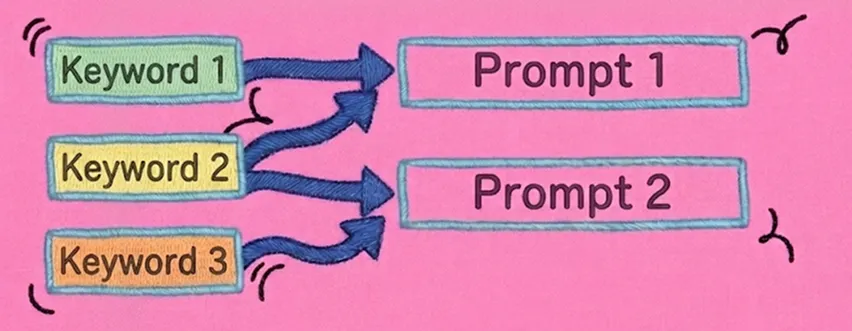
- Monitor competitors in every engine. They measure Share of Voice and visibility against competitors in ChatGPT, Gemini, Claude, Copilot, Google AI Mode, and Perplexity.
- Review citations. They identify which media and which specific pages appear in the answers, so they know who to contact to earn mentions.
- Work on sentiment. They analyze the tone of each mention and act on the media so the brand is described well
The biggest change came with that last point. AI already mentioned the large client, but with a tone that didn't fit the brand. From there, the strategy focused on working with media so they spoke well of the client and on fixing the weak points in how AI described it.
The Results
Results in 3 weeks
The strategy started in October. Within three weeks, the large client was already seeing clear gains in visibility, sessions, and revenue.
+20% in sessions, month over month
Sessions grew by around 20% from one month to the next.
More conversion and revenue
Working on sentiment lifted conversion rate and revenue notably, without relying only on traffic growth.
This is a client with a strong base across every channel (technical, content, social, influencers, PR) and a relationship with Digital Menta since 2016, which sped up the results. Within three weeks, the agency took this client from AI visibility that was hard to measure to clear growth in sessions, conversion, and revenue. Omnia is the system Digital Menta uses to measure and improve how AI engines talk about its brands, and to show each client that its media work pays off.
The Strategy
Over time, Digital Menta built a repeatable method in four steps.
1. From keyword to prompt
The team prioritizes each client's core category and most profitable services. It monitors the brand itself with two or three prompts to see what image AI has of it, and adds prompts for each important category. To build them, it starts from Google search volume and from "also ask" type tools that surface the real questions users have.
Why it works: a prompt is far more variable than a keyword and hard to measure. Starting from real demand and the questions people already ask keeps prompts actionable and tied to search intent.
2. Sentiment work
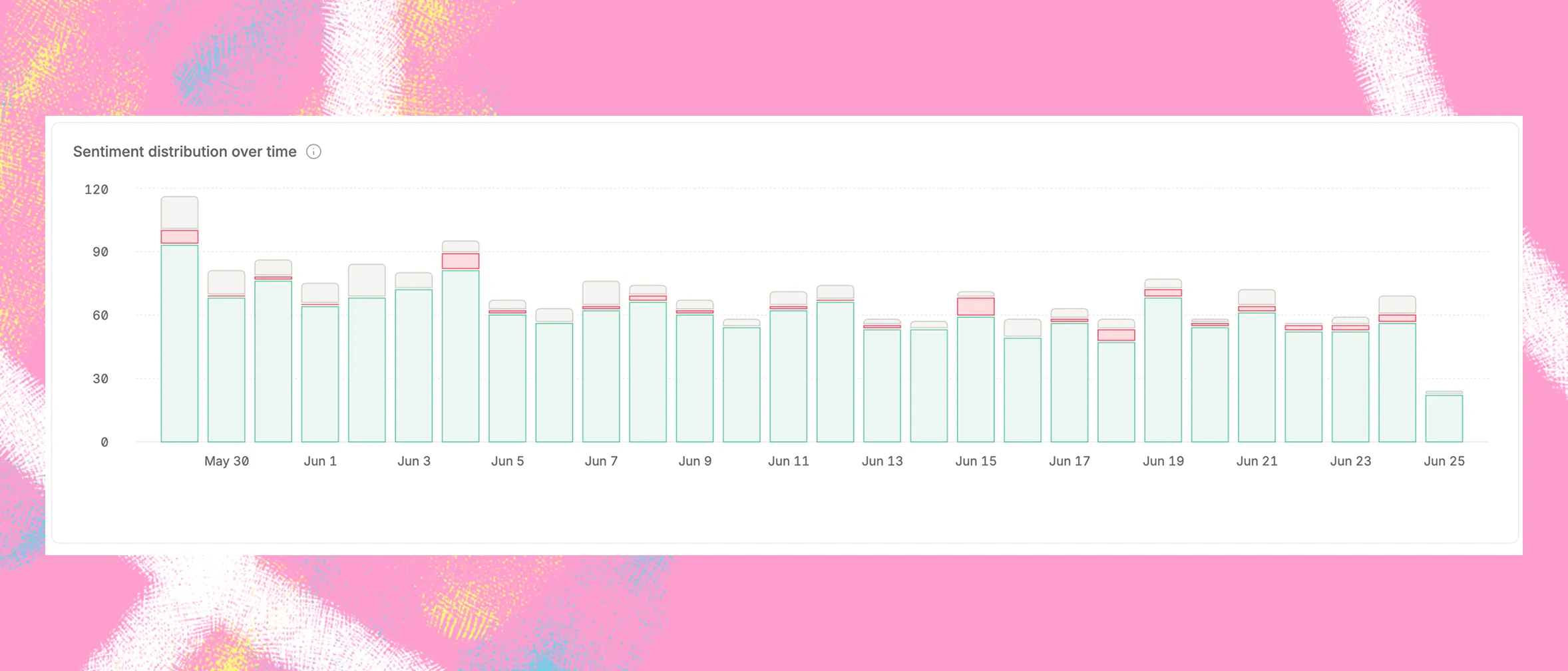
For brands that are already cited, the goal is no longer just to appear. The team analyzes the tone of each mention and works with media so they describe the brand well, addressing the weak points.
Why it works: AI talking about you doesn't help if it does so negatively. With the large client, this work lifted conversion and revenue beyond the growth in traffic.
3. Citation-driven media outreach
Omnia shows which media and which specific pages appear in the answers. Digital Menta exports that list, identifies who to talk to, and contacts those media and landing pages to earn mentions.
Why it works: in GEO the mention matters more than the do-follow link. Knowing which sources feed the answers (media, comparison pages, Wikipedia) lets the team point PR effort where it actually moves visibility.
4. Real impact measurement and reporting
For every outlet they invest in, the team checks whether it works: citations, visibility, sentiment, and traffic. With that, they show the client that the investment in a specific outlet is paying off.
Why it works: before, it was hard to attribute results to a single action, because rankings also moved with algorithm changes. Now the link between action and result is direct and reported with data.

"Omnia helps you truly measure your visibility in AI, and spot opportunities you can work on yourself, whether as a company or as an agency. What matters now isn't only whether they mention you, but how they mention you."
Ruth García Beltrán, SEO Strategy Consultant, Digital Ment
What's Next
Digital Menta wants to scale GEO to more clients, in a market where demand is growing fast and where prompt-based search is expected to overtake traditional search by 2028. Their next steps are automating reporting (shareable reports and an MCP connection to tools like Looker Studio) and testing prompt discovery from keywords to speed up the start of each account.
Ready to boost your brand visibility in AI? Start for free or get a demo.

Omnia offers a 14-day free trial on the Growth plan.
No credit card required. See exactly where your brand shows up (or doesn't) across AI engines, then let the platform's recommendations guide your next move.






.avif)
.avif)
.avif)
.avif)
