LLMs
How To Run an AEO (Also Known as GEO) Audit Step by Step in 2026

 Alfredo BernalOrganic Growth LeadatOmnia
 Jose Luis García del RíoGrowthatOmnia
TL;DR
Claude answers questions differently than ChatGPT. It cites fewer domains, favors different source types, and draws on a distinct training profile, which means tools built to track ChatGPT visibility often miss what matters when Claude is the engine in play. Most Claude rank tracking comparisons are thin listicles that don't distinguish citation depth from mention counting, or confuse “supports Claude” with “built for Claude.” Here we distinguish the best Claude rank tracking and SEO tools in 2026.
Claude's real-time answers pull from Brave Search, not Google or Bing. That one technical detail changes the entire frame for what AI search visibility means in 2026. The domains Claude trusts for citations are Brave-indexed domains, which means a site’s Google Domain Authority does not map directly to Claude citation likelihood.
Teams that have spent years building search visibility through traditional backlinks and on-page signals may be nearly invisible in Claude's citation pool despite strong SERP performance.
This guide covers a ranked list of tools for SEO teams who need country-level visibility, citation transparency at the URL level, and an execution layer that turns Claude visibility data into shipped content.
A Claude rank tracker monitors how often your brand appears when someone asks Claude a question, which sources Claude cites when discussing your category, and how your share of voice compares to competitors across a defined prompt set.
“Rank” in this context doesn’t mean a fixed position like number three on a search results page. It means whether you appear, how often, where in a list or narrative you appear when you do, and how that picture shifts over time. Claude rankings are probabilistic rather than deterministic. The same prompt can yield different answers on different runs, on different days, and in different countries.
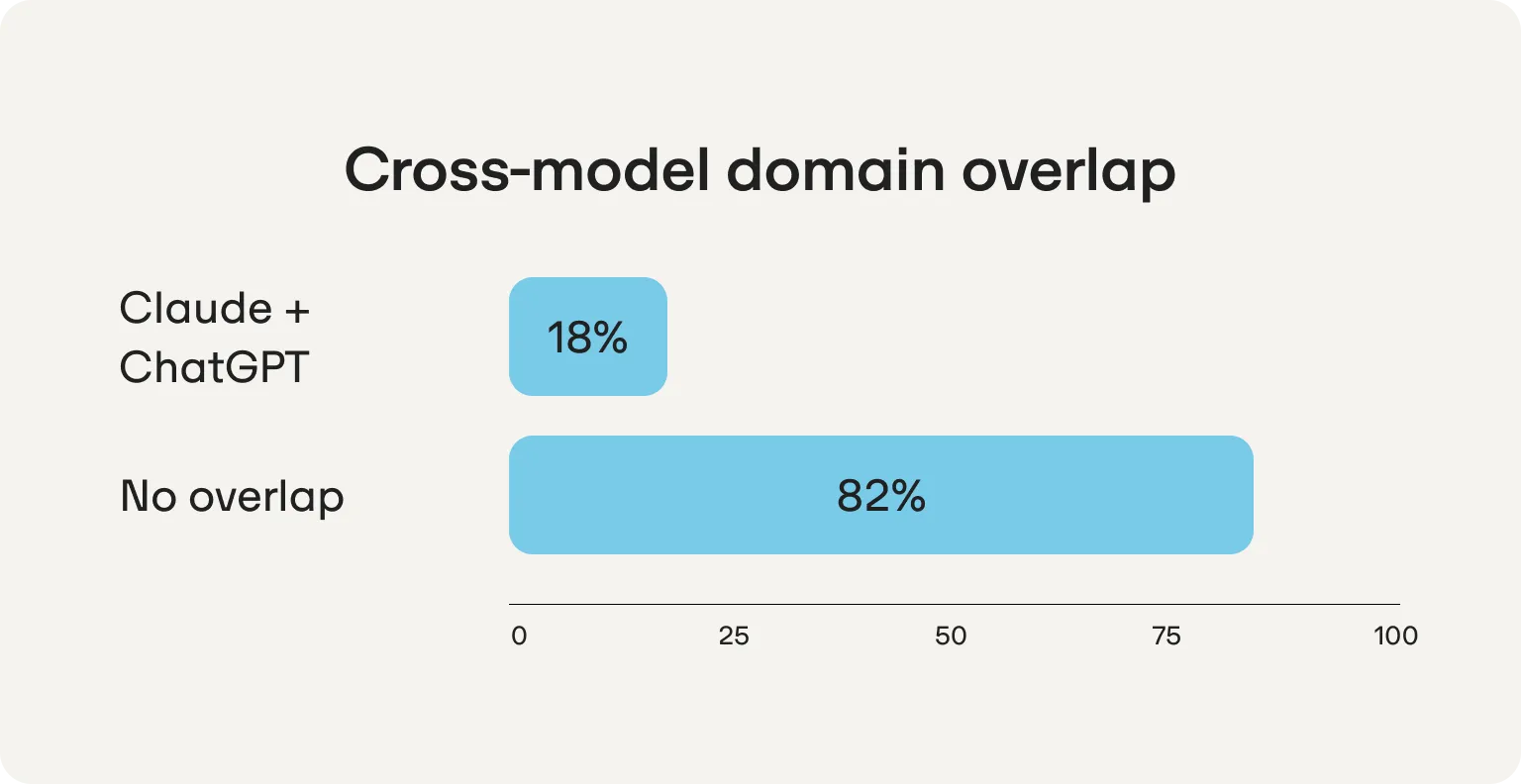
Omnia’s first two weeks of Claude tracking data illustrate exactly how different the picture is. Claude averages 11.1 domains per answer , the highest citation density of any engine Omnia tracks, compared to a far lower figure for ChatGPT.
Cross-model domain overlap between Claude and ChatGPT is approximately 18% , which means roughly 82% of what Claude cites never appears in a ChatGPT answer for the same topic. And Claude cited Reddit zero times across approximately 400,000+ citations and 30,000+ answers , while ChatGPT cited Reddit over 100,000 times. This means the sources you need to earn to appear in Claude are largely separate from the sources that drive ChatGPT, Perplexity, or Google AI Overviews visibility.
Many teams start by pasting questions into Claude, copying answers into a spreadsheet, and manually checking whether their brand appears. This can work for a handful of prompts, but it’s not sustainable at scale, especially if you’re trying to account for multiple regions
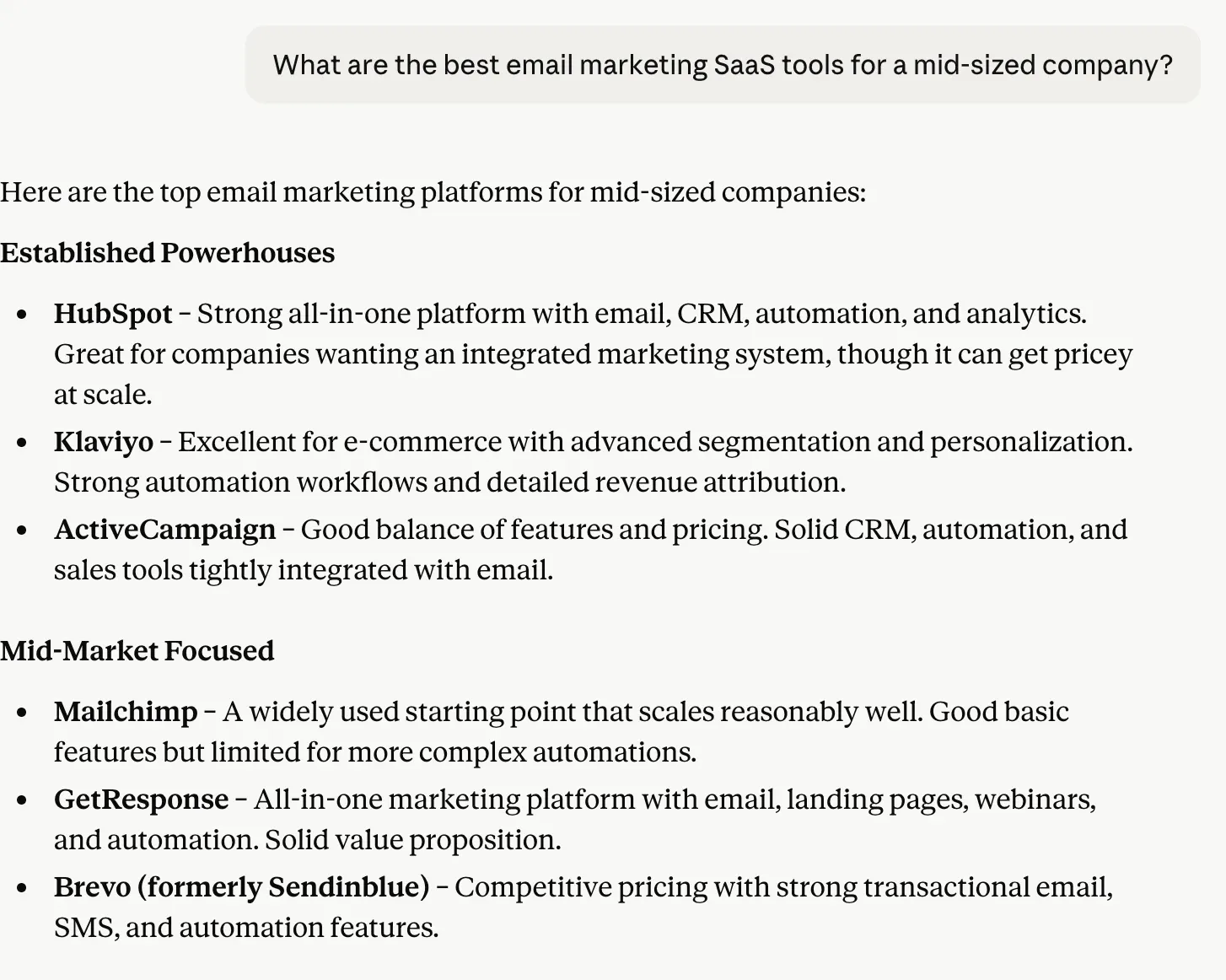
Ask Claude “What are the best email marketing SaaS tools for a mid-sized company?” and it’ll return different results if you’re in the US vs the UK.
Claude mentions Customer.io, a Portland-based company, when asked in the US.
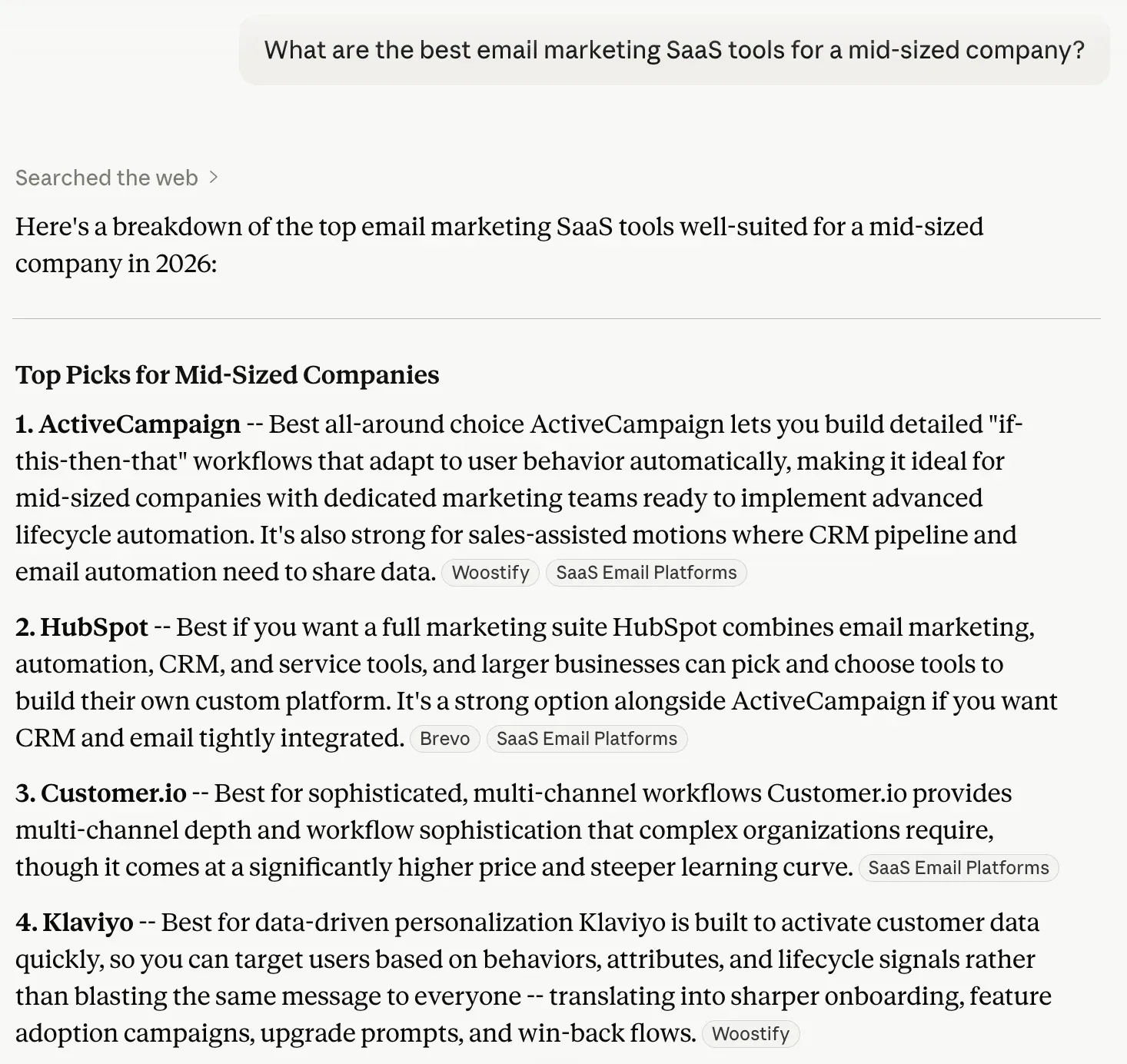
But it doesn’t recommend the same tool to UK users, instead adding a French company (Brevo) and a Polish company (GetResponse) to the shortlist.
Many teams start with free Claude rank tracking tools for quick baseline validation before moving to continuous monitoring. The tools that charge nothing or very little answer “do we appear at all?” The tools that charge more answer “why are competitors getting cited instead of us, and what do we do about it?”
SEO and content teams in 2026 need a reliable Claude SEO tracking tool that can meaningfully measure visibility inside Claude responses. It’s important to separate those from other tools that surface brand mentions without the citation context that actually drives those mentions.
Every platform in this category operates on the same core loop. A defined prompt set is executed against Claude (and often other AI engines simultaneously), responses are parsed for Claude mentions and citations, and the results are aggregated into share-of-voice and visibility metrics over time.
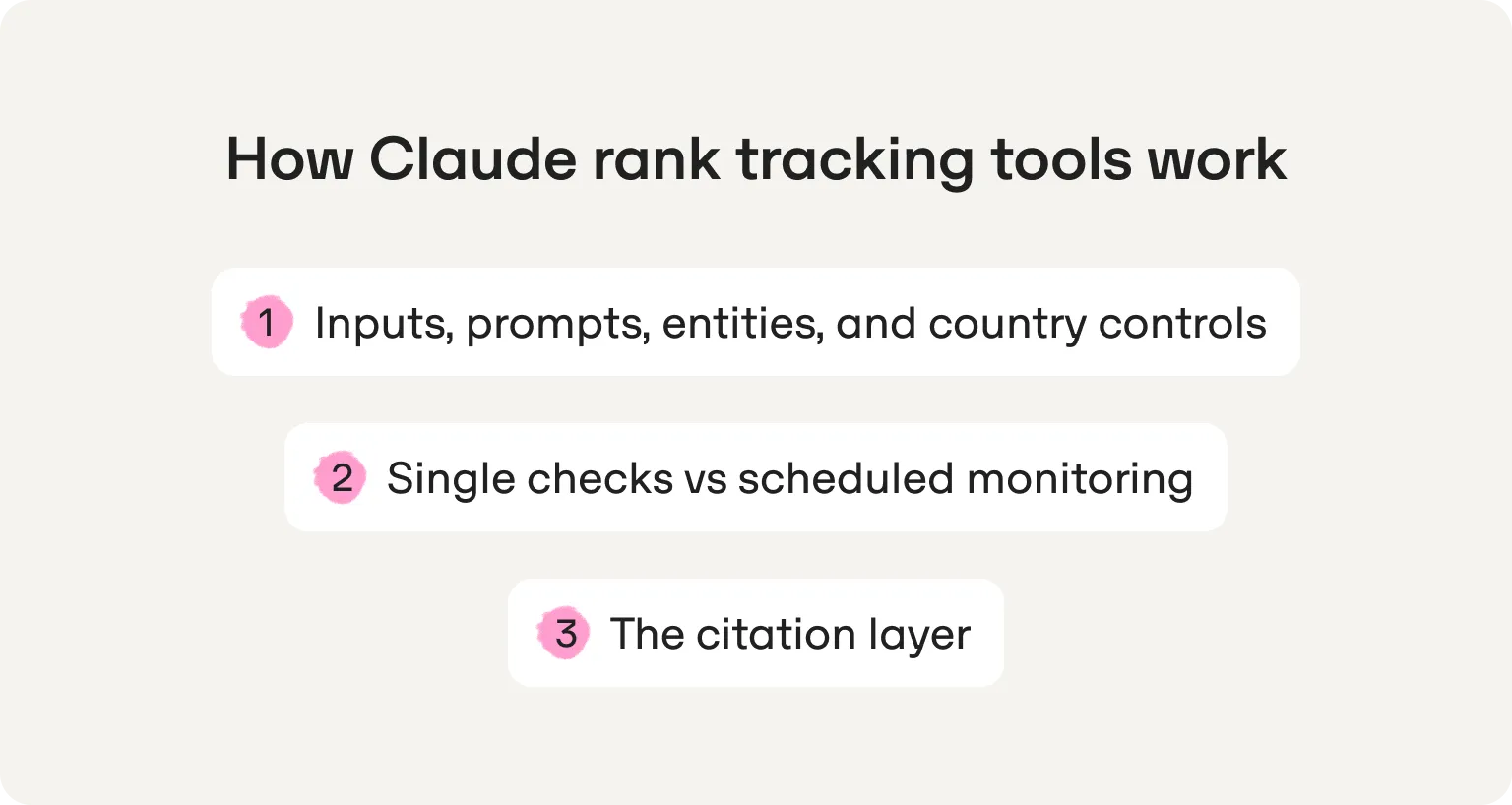
The meaningful differences are in what happens next. Does the tool surface the raw Claude response, extract the cited URLs, run the same prompt across multiple countries, and can it produce any action output beyond a dashboard?
A prompt set is the foundation of any Claude visibility tracking program. Category prompts are for broad questions your buyers ask AI. Branded prompts ask directly about your product. Competitor prompts ask about specific alternatives. Comparison prompts ask Claude to compare options head to head. Together they give a complete picture of where you appear, where you’re absent, and where competitor presence is winning.
Example prompts for a generic B2B SaaS category:
Country controls matter because Claude often recommends different sources in the US, UK, and Germany for identical prompts. This is both because Brave Search indexes vary by region and because Claude's training data distribution affects what it considers authoritative in each market.
Free and low-cost tools in this category typically offer one-off checks. But there’s no history, no trendline, no alert when visibility monitoring drops, and no comparison across prompt variants. These tools answer the baseline question and nothing more.
Scheduled monitoring, with daily or weekly prompt runs, alerting, and trendlines, is what separates tools built for ongoing programs from tools built for one-time exploration. Typical free tier limits run to 5 to 15 prompts per month whereas plans scale from 25 to several hundred prompts. Enterprise tiers often cover thousands.
Citation tracking is the output most teams underweight when evaluating Claude rank tracking tools. Brand mention frequency tells you whether you appear. Citation analysis at the URL level tells you why competitors appear instead of you, and specifically which pages are earning those citations.
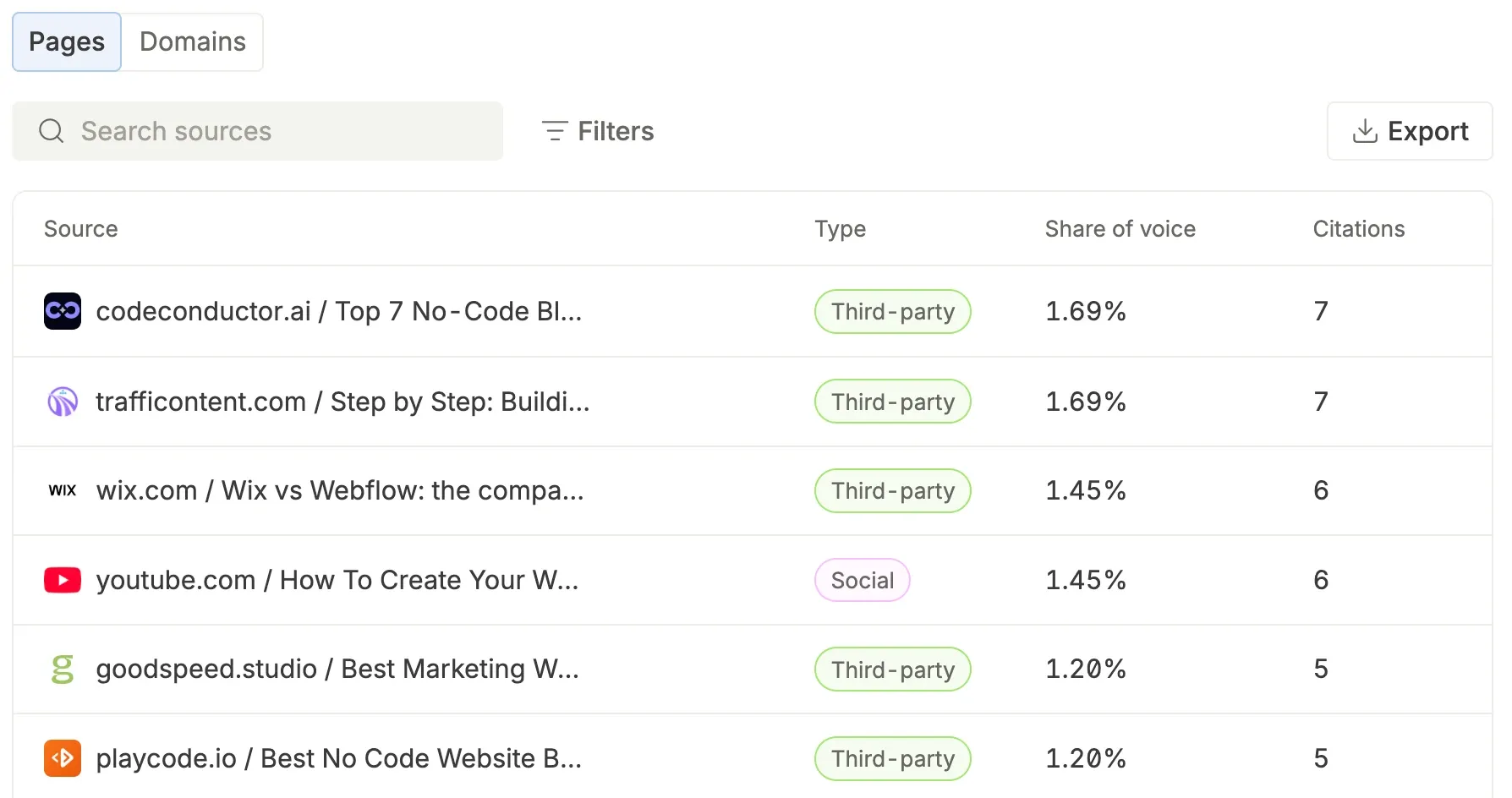
Based on Omnia’s tracking data across 40M+ citations, Claude averages 11.1 domains per answer, the highest citation density of any engine Omnia tracks. That means Claude is actively pulling from more sources per response than other major AI engines, which means the citation pool is wider and the opportunity to appear in it is broader.
Here’s a practical procurement checklist when you’re evaluating Claude SEO rank trackers at the point of decision. Look for these must-have features:
Not all tools include Claude in their base plan. Here’s a quick table so you can see what the minimum starting price is for each platform, as well as who it’s best for.
| Tool | Best for | Claude support | Starting price (with Claude coverage) |
|---|---|---|---|
| Omnia | Cross-model citation intelligence and action layer | All tiers | €79/mo |
| WorkDuo | Product-level Claude visibility and competitive context | 3rd tier and up | $299/mo |
| Promptwatch | Page-level citation and AI crawler signals | All tiers | $99/mo |
| Profound | Enterprise Claude visibility programs | 2nd tier and up | $399/mo |
| Scrunch AI | Multi-engine Claude visibility with AI bot delivery | Enterprise only | Custom |
| Peec AI | Share of voice and stakeholder reporting | Enterprise only | Custom |
| Rankability | Value-priced Claude tracking with URL-level citation depth | All tiers | $99/mo |
| AthenaHQ | 8-engine Claude tracking with AI agent action layer | All tiers | $295/mo |
| Geoptie | Free instant Claude rank checks | All tiers | $49/mo |
Each tool below was evaluated on Claude support, citation depth, country controls, and whether it produces execution outputs or just reports. Omnia ranks first because it’s the only platform that combines URL-level citation intelligence across 7 major engines with a native action layer.
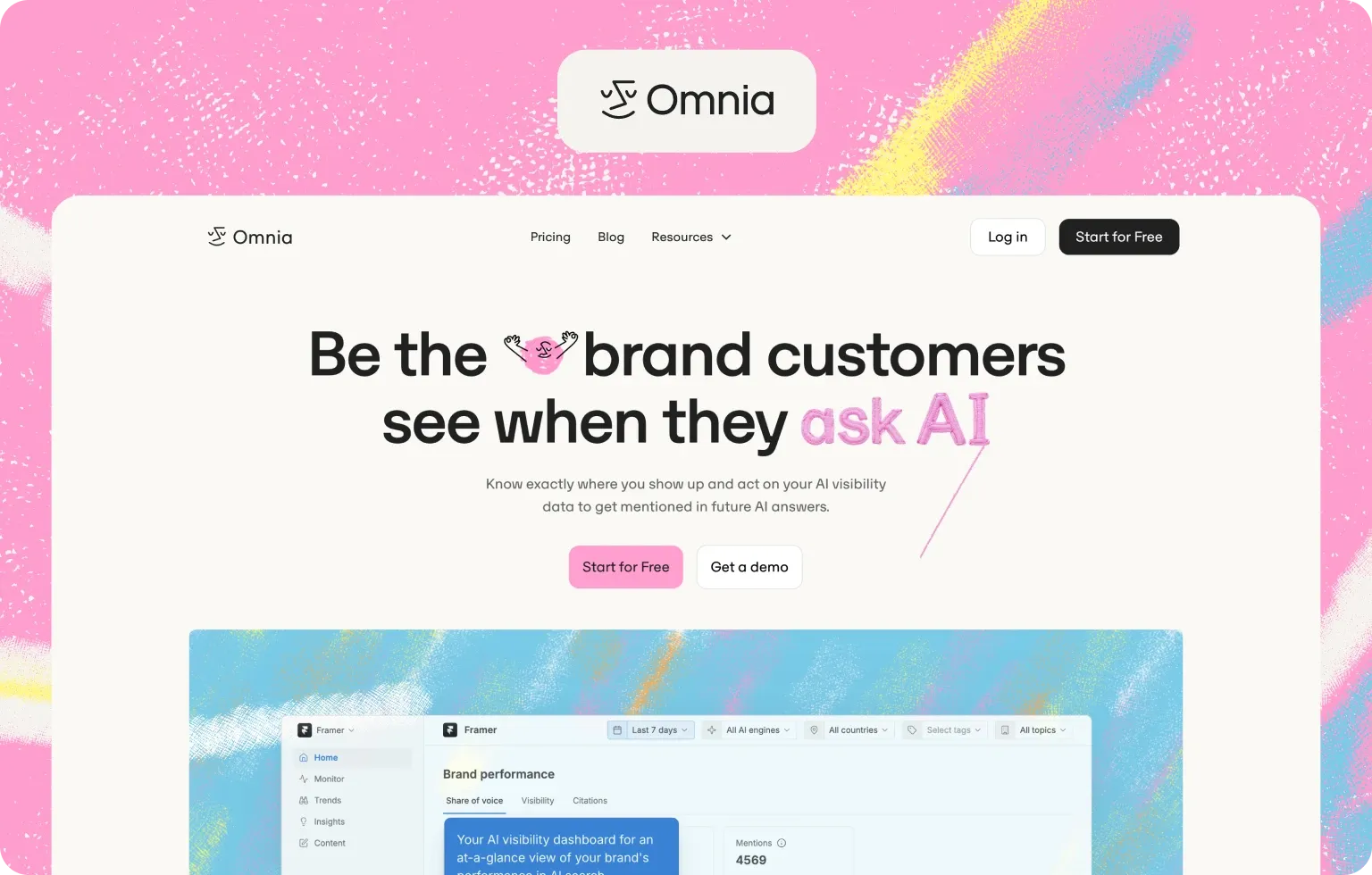
Omnia’s core engine architecture covers seven engines at every plan tier: Claude, ChatGPT, Google AI Overviews, Google AI Mode, Perplexity, Gemini, and Copilot. This means a team can add Claude tracking immediately without moving to an enterprise plan.
The brand visibility tracking runs through real browser sessions in actual geographic locations and updates daily. The citation intelligence layer surfaces the specific URLs and domains Claude references when answering prompts in your category. You can see which competitor pages are earning those citations, which third-party sites appear repeatedly, and where the gaps are between your citation presence and the category leaders.
Omnia’s Insights feature generates content briefs, placement targets, and structured outlines natively within the platform to address those gaps. The MCP server with read and write access for teams using Claude, ChatGPT, or Cursor as daily work queries visibility data, generates competitor summaries, and drafts content briefs without leaving the AI assistant.
Key features
Watch-outs
Teams that need Claude tracking exclusively, with no interest in ChatGPT, Perplexity, or Google AI Overviews data, may find a purpose-built Claude-only tracker a cheaper starting point. Teams in a pure monitoring phase may not need Omnia’s brief generation capability.
Good fit if:
Pricing
If you’re looking for a free option before committing budget, run a quick snapshot of your current AI visibility with the free AI Visibility Checker.
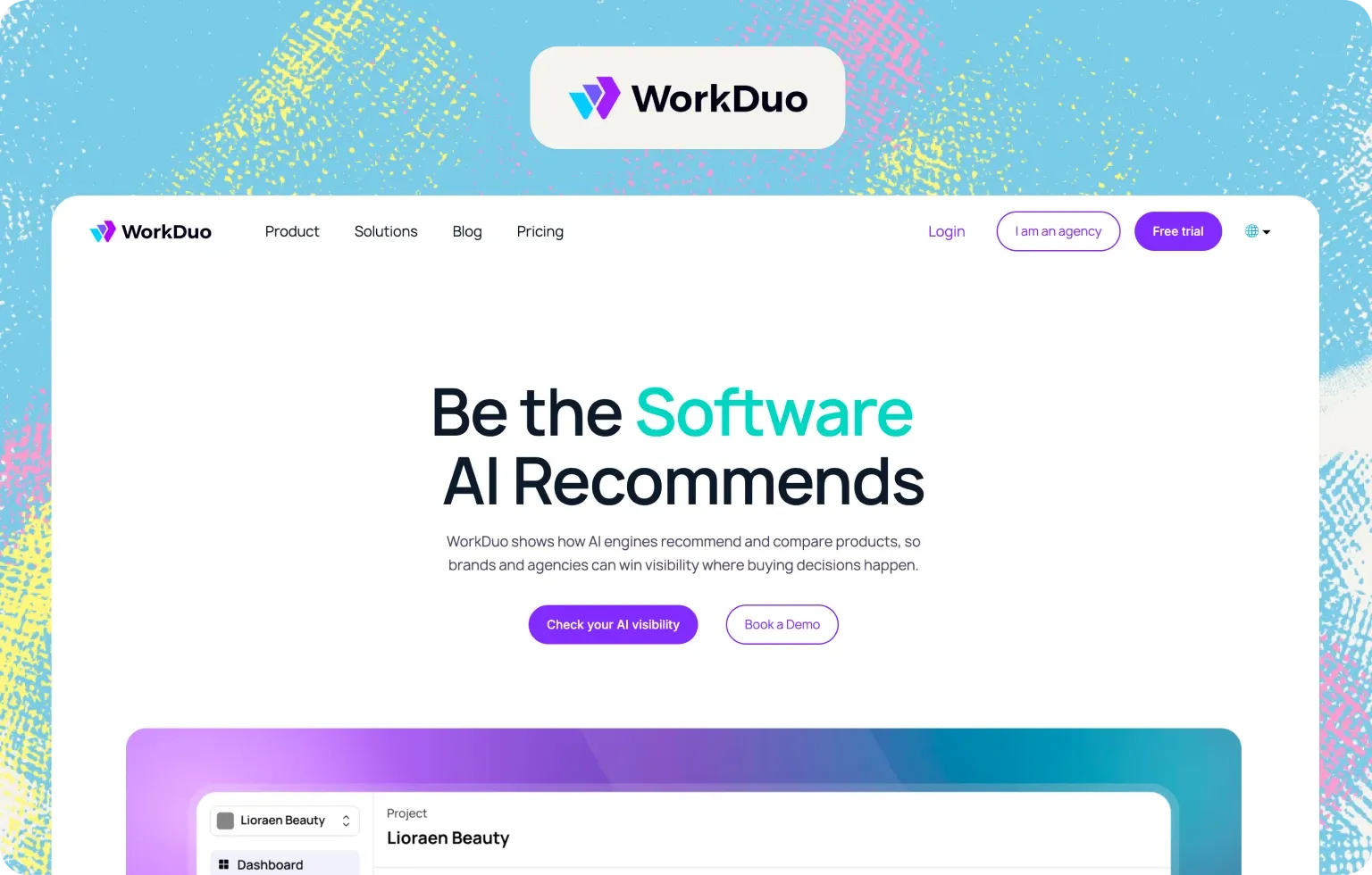
WorkDuo is an AI answer engine optimization platform built around the idea that AI search shapes buying decisions at the product recommendation layer, not just the awareness layer. WorkDuo shows which products Claude recommends and which competitors appear in their place, making it directly relevant for teams tracking how Claude influences purchase intent.
The platform tracks five models and also covers regional and multi-language tracking. It features alerts and trends as well as sentiment analysis.
Key features
Watch-outs
Claude is only available on the $299/mo Pro tier. The two lower tiers limit model selection to 2 and 3 models respectively, and neither includes Claude. Per-project pricing also means costs stack for agencies managing multiple clients.
Pricing:
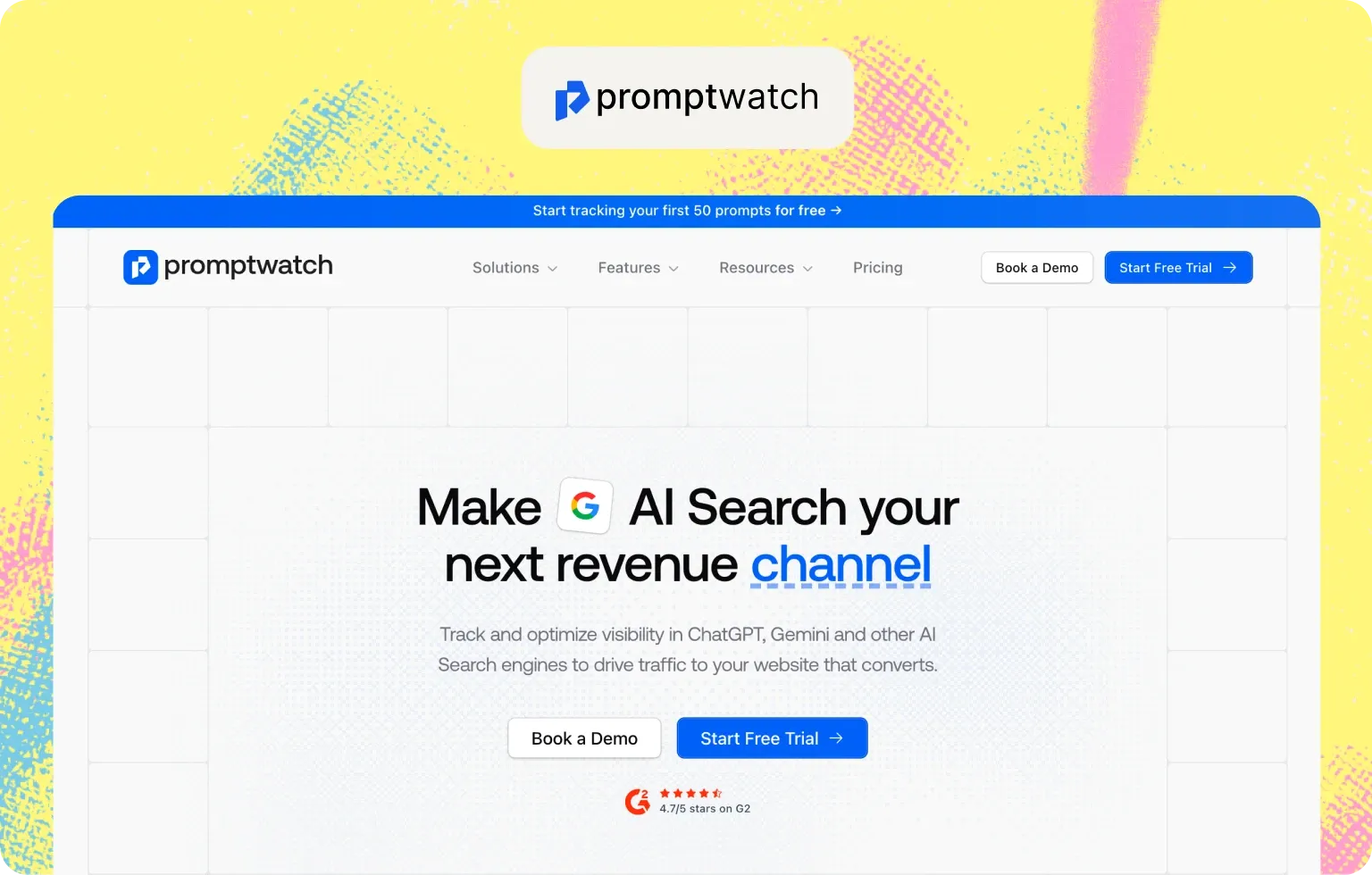
Promptwatch tracks brand presence across 11 search engines with real-time AI crawler analytics. The platform shows you when Claude’s crawler reads your pages, which means you can correlate crawl events with citation performance and identify which content AI systems are actively consuming versus ignoring.
The citation tracking layer covers both first-party content and third-party offsite content. A content optimization agent uses real citation data to generate content designed to earn citations. And Claude coverage is included in the lowest pricing tier.
Key features
Watch-outs
Agent analytics and API access are only available on the Professional and Business plans. The first two plans only allow 1 and 2 projects respectively, which isn’t a good fit for agencies.
Pricing:
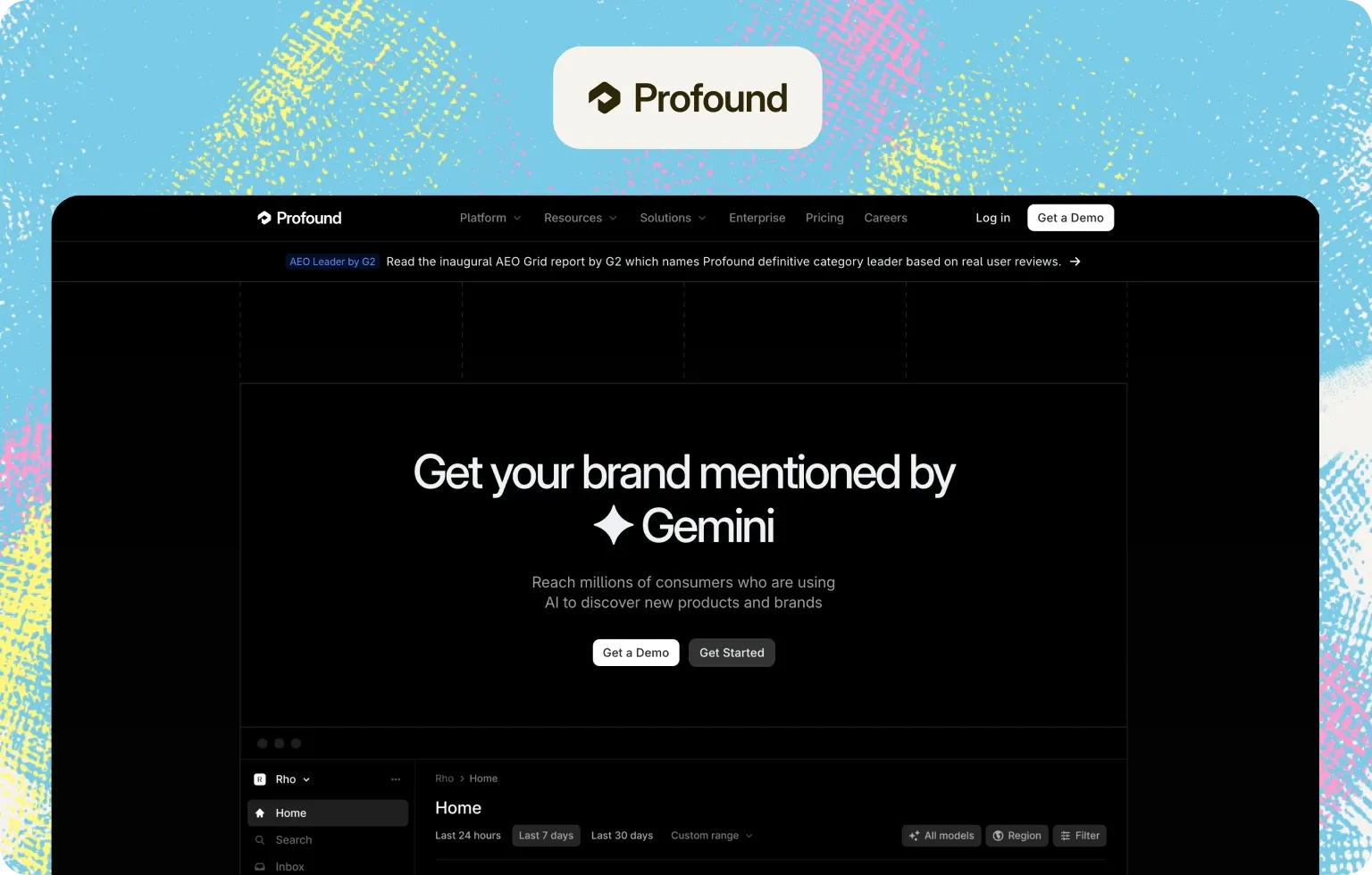
Profound covers monitoring, analysis, content creation, and measurement across all major consumer AI engines including Claude. The key technical distinction from most tools in this category, besides Omnia, is browser-based data capture.
Profound pulls Claude responses directly from the consumer browser experience rather than the API, which means the data reflects what a real buyer would see rather than a sanitized API output. The platform runs every tracked prompt daily, so visibility scores reflect true averages across multiple Claude responses rather than a single-run snapshot.
Profound Agents handle content creation, AEO/SEO tasks, and demand generation, giving teams the ability to scale execution without scaling headcount.
Key features
Watch-outs
Claude access requires at least the $399/mo plan, as ChatGPT is the only engine included at the Starter tier. Teams that need more than 3 engines covered will need to move to enterprise pricing. This constraint causes SMEs to consider Profound alternatives.
Pricing:
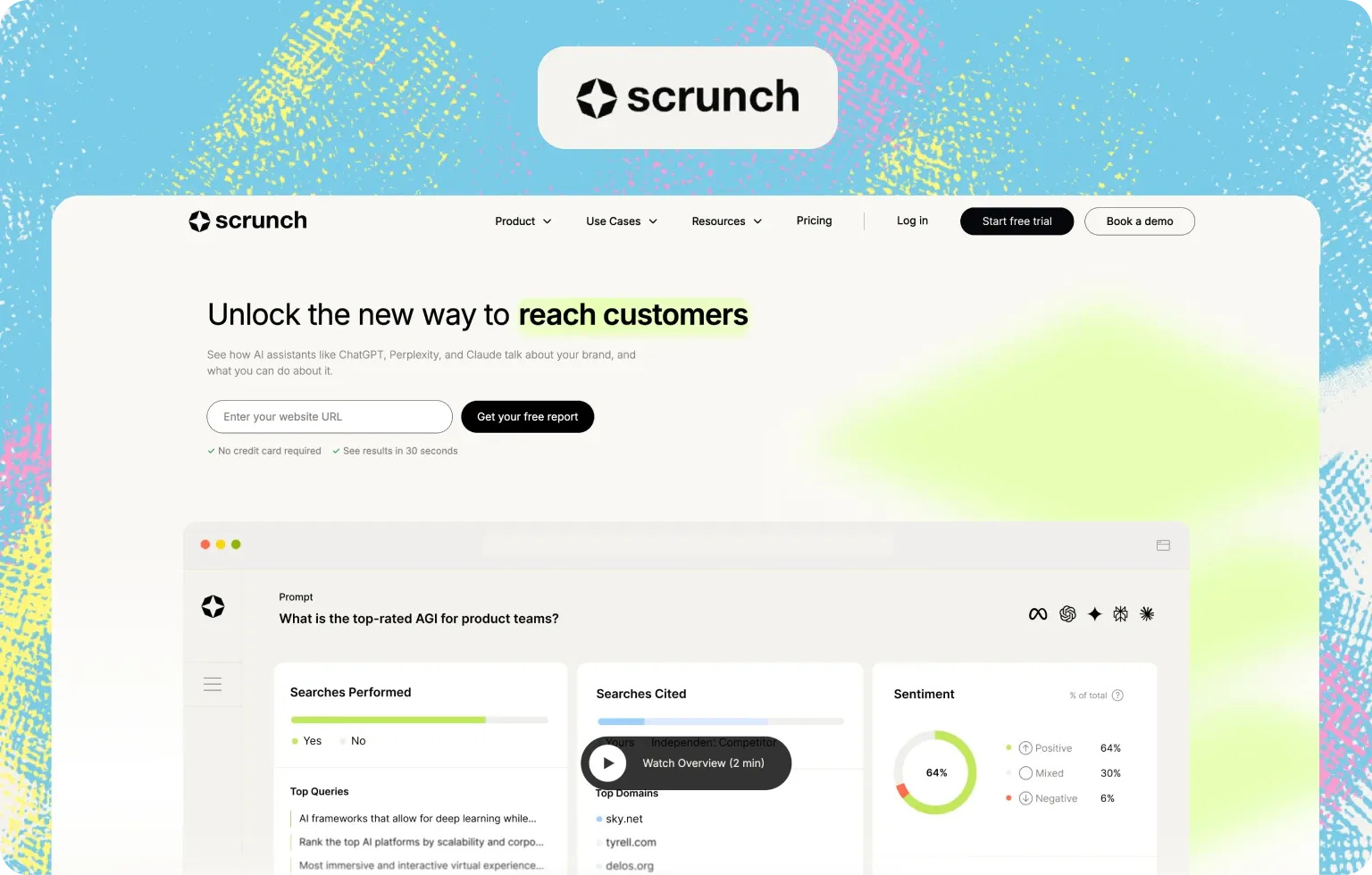
Scrunch is an AI Customer Experience Platform. Its biggest differentiator is the Agent Experience Platform (AXP), which is a layer that detects AI agents at the edge and serves them AI-optimized content without changing the human-facing version of the site. No other tool in this comparison offers an equivalent infrastructure-level optimization capability.
Scrunch also tracks agent traffic by AI model, showing which AI engines crawl your site, how often, and which pages they visit.
Key features
Watch-outs
At $250/mo per brand, Scrunch has one of the higher entry prices in this category, and that doesn’t even include Claude tracking. Teams interested in Claude need to speak to sales and sign up for an enterprise plan. Similar to Profound, this restricts many smaller companies and forces them to look to Scrunch alternatives.
Pricing
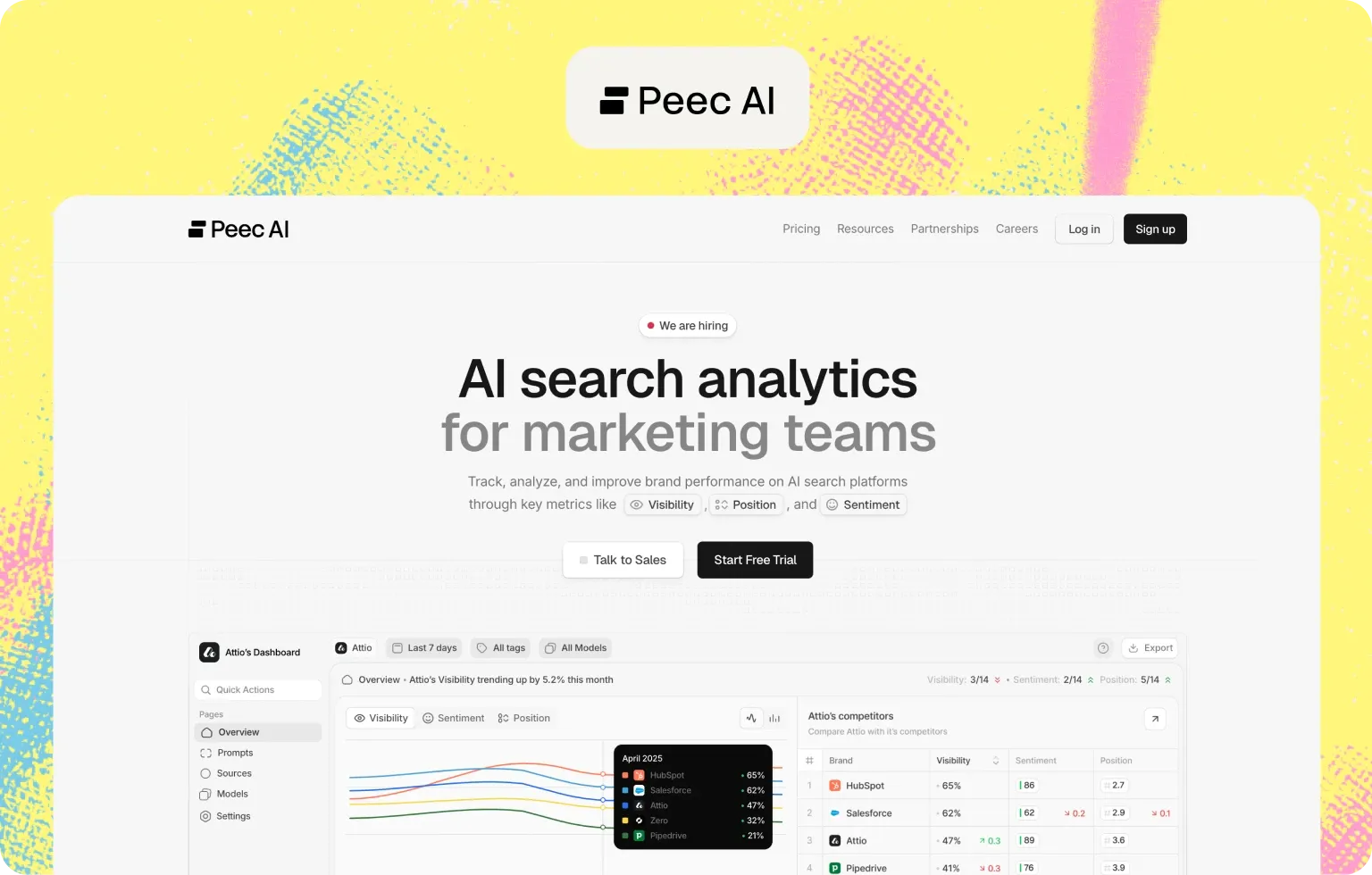
Peec AI is an AI search analytics platform built around three things: prompt management, cross-country tracking, and reporting infrastructure. The Looker Studio community connector and clean CSV exports make it well suited to marketing teams that need to bring AI search data into existing dashboards and client-facing reports.
The Peec MCP integration is now live for teams using Claude or ChatGPT as daily work tools. Source tracking surfaces the editorial domains and review sites that appear repeatedly in AI answers for a category, which helps teams identify third-party placement targets.
Key features
Watch-outs
Peec AI faces the same problem many other tools on this list do. Claude tracking is only available in its enterprise plan through API access. Teams wanting a rank tracker tool for Claude won’t find it in any of their $95-$495/mo plans. If you don’t have the budget for more than that, take a look at Peec AI competitor tools.
Pricing:
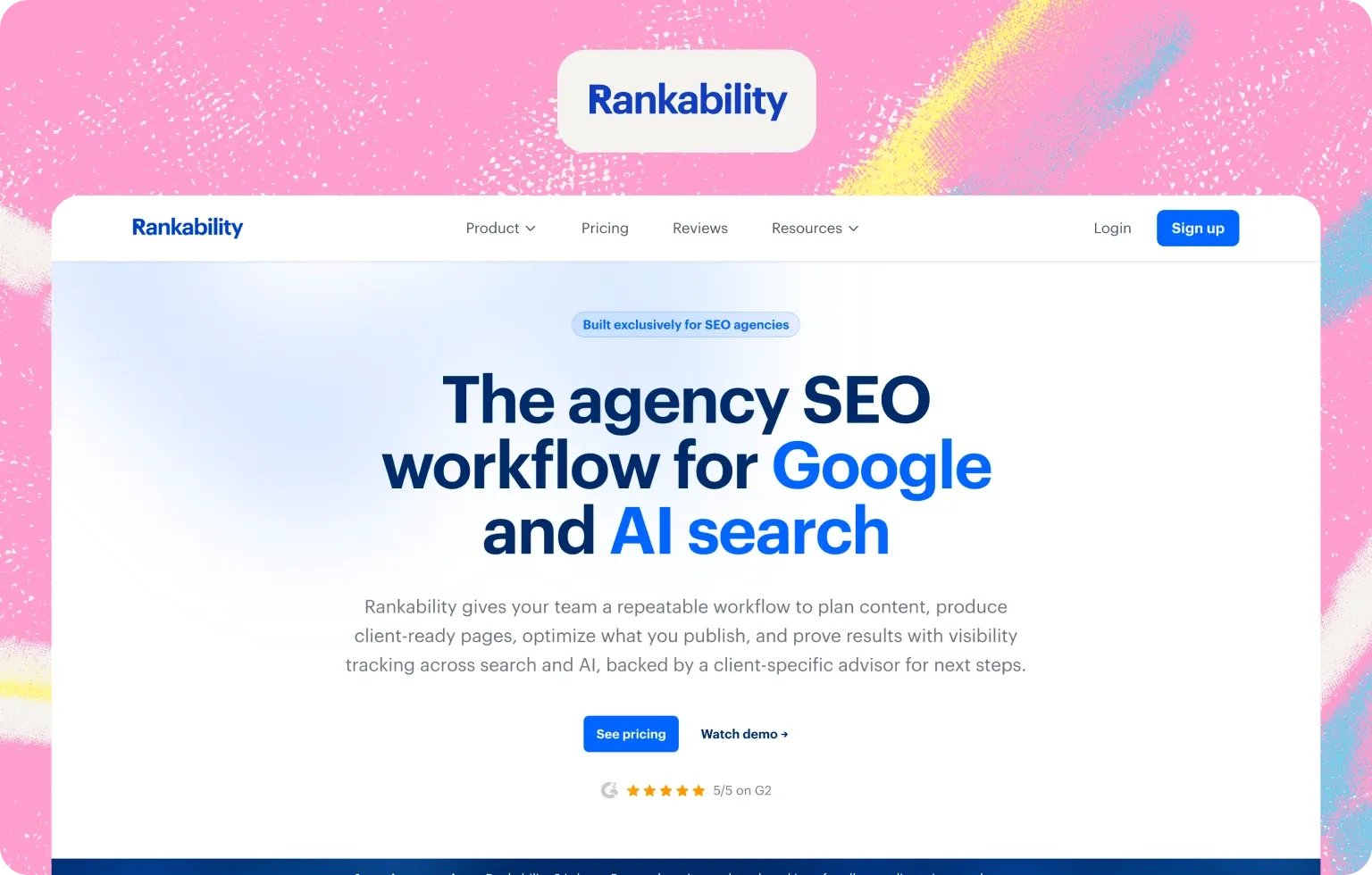
Rankability's Reporter module is built specifically around the citation layer, not just mention counting. When Claude references sources in a category response, Reporter logs every URL that earns a reference, tracks how that citation presence changes over time, and lets you benchmark it directly against competitors.
Daily automated scans run your keywords against Claude and capture the full competitive picture. Location-based query controls append your market to each scan so results reflect what customers in your region actually see.
Key features
Watch-outs
Rankability operates as a complete platform instead of just a standalone Claude tracker. It also works on a credit system, which high-volume teams can burn through fast.
Pricing:
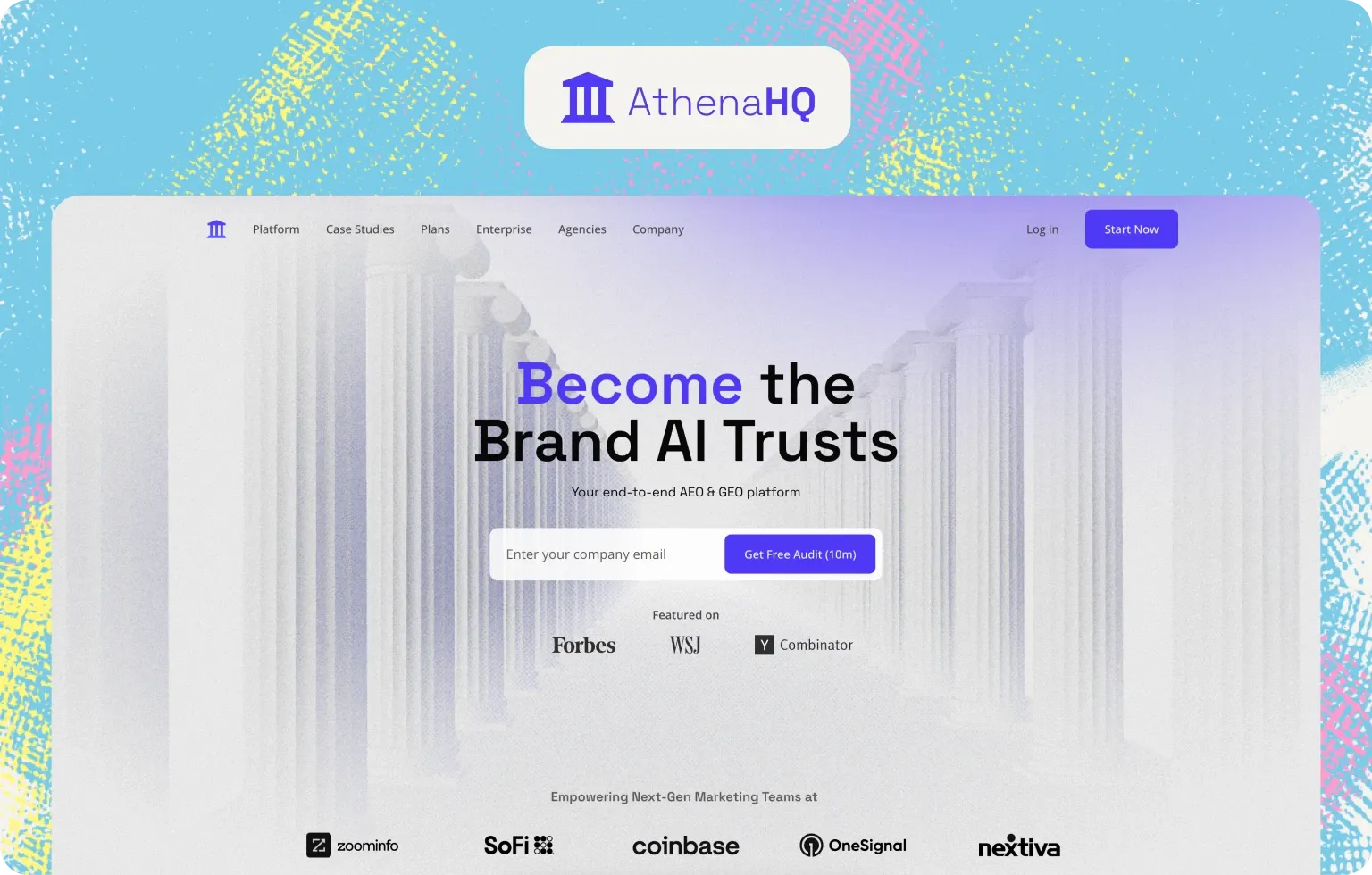
Best for: Marketing teams and agencies that need the widest AI engine coverage in the comparison, citation intelligence at scale, and an AI agent that takes action on visibility gaps without requiring manual content briefing.
AthenaHQ tracks brand visibility across 8 AI engines including Claude, and additional models on request. Both plans include unlimited seats with role-based access control, which is great for larger teams.
The Athena Citation Engine (ACE) provides granular citation authority analysis. It tells you which sources are being cited, how authoritative those sources are, and where the citation gaps exist relative to competitors. The Content Optimization AI Agent with Deep Research goes further, running self-improving content workflows based on what ACE surfaces.
Key features
Watch-outs
AthenaHQ operates via credit-based pricing (1 credit = 1 AI response), which means costs scale with the size of your prompt set and engine coverage. ACE and the Content Optimization Agent are on the Enterprise tier, not the Self-Serve plan, so teams that want the full action layer pay more than the already steep entry price of $295/mo.
Pricing:
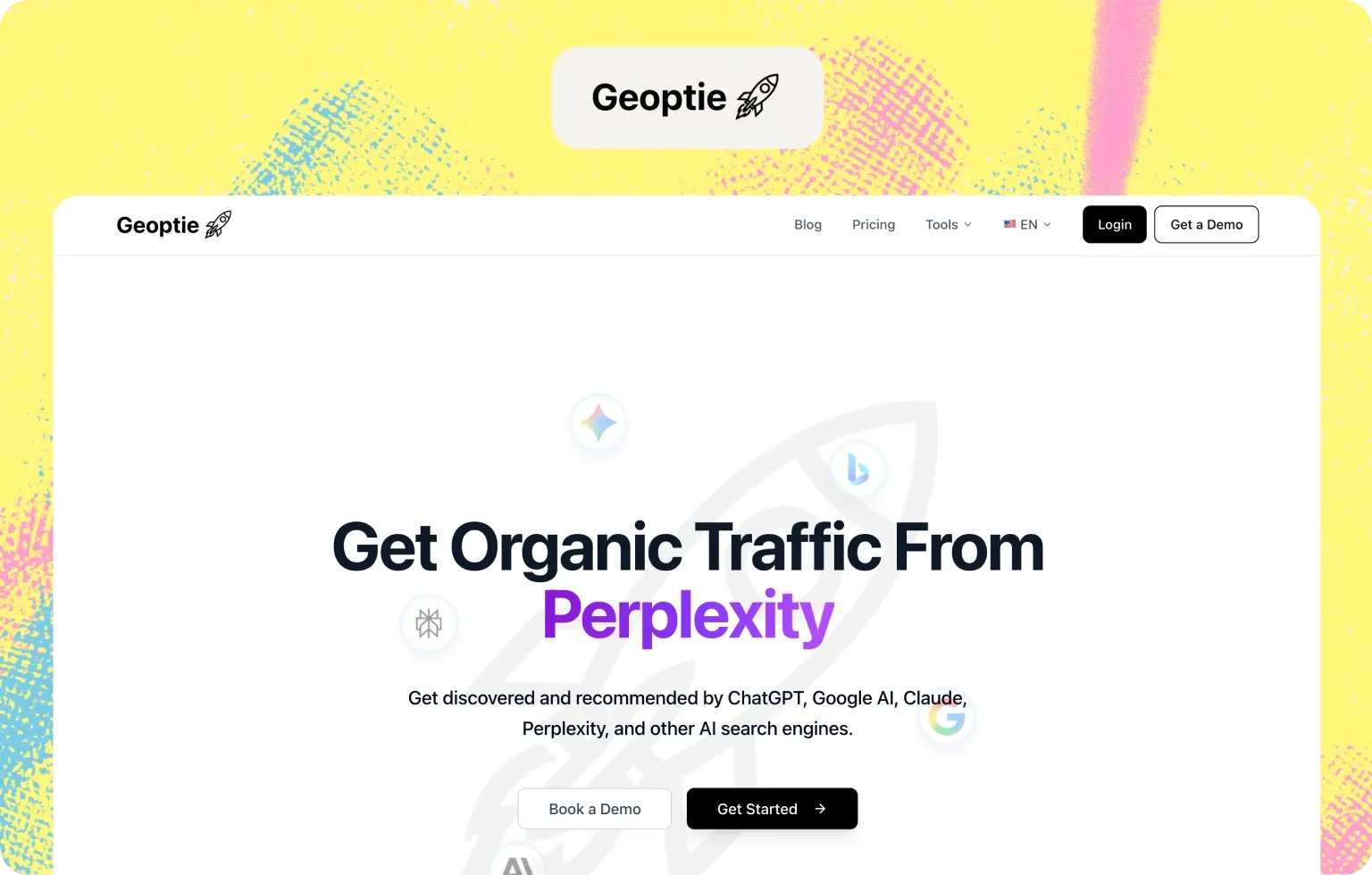
Geoptie offers a free Claude Rank Tracker alongside ChatGPT and Perplexity rank trackers. For a team at the earliest stage of AI visibility, with no baseline data and no existing tool in place, Geoptie's free tools get you an answer within minutes without a sales call or trial sign-up.
The paid Starter plan at $49/mo adds ongoing monitoring for 15 prompts across 2 brands with unlimited audit reports, a highly accessible option. The source discovery feature identifies which domains AI models cite most frequently in a category, providing an initial map of third-party targets for earned coverage.
Key features
Watch-outs
The Starter plan's 15 monitoring prompts and 2 brands are limited for any team managing more than one competitive category. There’s no URL-level citation depth and no action layer beyond audit reports.
Pricing:
Many teams assume that if they’re ranking high on the search engine result pages (SERPs) or ChatGPT is citing them, then Claude is too. Based on Omnia’s citation data, that isn’t the case.
For SEO and content marketing teams, the Claude tracking picture is not separable from the broader AI visibility picture. A team tracking only Claude is working with partial information. The content and placement work needed to appear in Claude is largely different from the work needed to appear in ChatGPT.
Understanding both simultaneously, and seeing which competitor URLs are winning citations across each engine, is the output that enables an actual content strategy rather than guesswork.
Omnia's country-level tracking via real browser sessions means a team operating in multiple markets can see where Claude visibility is strong and where it’s absent, measured from the actual in-country consumer experience rather than aggregate data. That is the precision that turns Claude tracking from a reporting exercise into a growth lever.
Book a demo to see a preview of Omnia with your own brand, or get started with a 14-day free trial on Omnia’s Growth plan.
Omnia offers a 14-day free trial on the Growth plan.
No credit card required. See exactly where your brand shows up (or doesn't) across AI engines, then let the platform's recommendations guide your next move.

Omnia is the strongest Claude visibility tool for teams that need brand mention tracking, citation intelligence, and an action layer across multiple AI platforms in one place. For value-priced Claude tracking, Rankability covers five engines from $99/mo. For enterprise-level competitive analysis, Profound and AthenaHQ offer the deepest coverage.
Geoptie tracks visibility across Claude and other AI search platforms for free, with no plan or signup required. Most tools offer free trials rather than a permanent free tier. Omnia includes a 14-day free trial on the Growth plan, and Rankability and Promptwatch also give you enough runway to set a baseline. Free options are useful for a first look but lack trendlines, brand mention tracking, and country controls needed for ongoing work.
Claude produces probabilistic AI-generated answers, so the same prompt can return different results on different runs, and Claude rank tracking measures trendlines rather than fixed positions. This is different from traditional rank tracking, where Google rankings are deterministic and a position stays static until something changes. To get accurate data, platforms run each prompt multiple times and track visibility shifts over weeks rather than comparing individual snapshots.
Yes. Omnia includes all 7 LLMs across every plan: Claude, ChatGPT, Google AI Overviews, Google AI Mode, Perplexity, Gemini, and Copilot. Claude specifically is not gated behind a premium tier, making Omnia one of the few platforms where full engine coverage is available from the entry-level plan.
AI visibility measures how your brand stands in AI search results across platforms like Claude, ChatGPT, and Perplexity, tracking AI mentions, citation frequency, and recommendation share rather than a position on a results page. For technical SEO teams used to Google rankings, the shift matters because AI search platforms produce probabilistic responses won on content depth and citation trust, not keyword position alone. The right optimization tool surfaces where your brand stands in AI-generated answers and what to change to improve it.
Written By
 Jose Luis García del RíoGrowthatOmniaAlfredo BernalOrganic Growth LeadatOmnia
 Jose Luis García del RíoGrowthatOmnia
 Jose Luis García del RíoGrowthatOmnia
 Alfredo BernalOrganic Growth LeadatOmnia
 Alfredo BernalOrganic Growth LeadatOmnia
No credit card required · Free for 14 days · See your AI visibility within 3 minutes